
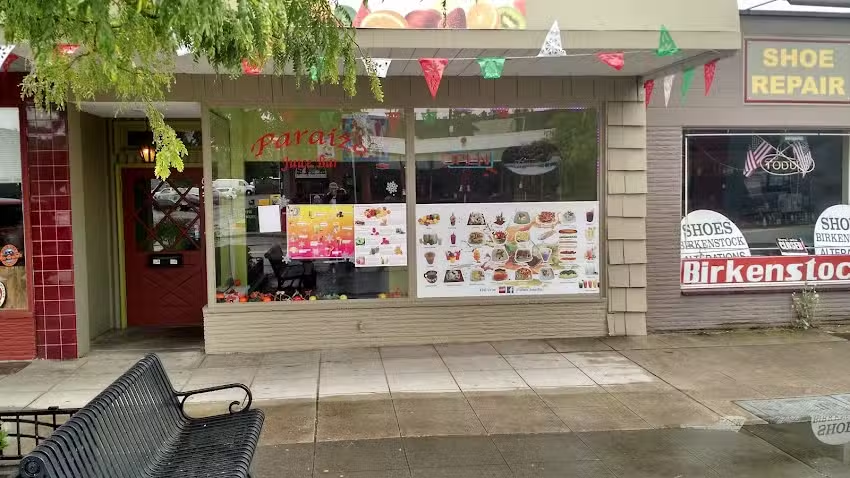
Paraizo Juice Bar
BackParaizo Juice Bar, once located at 629 SW 152nd St #A in Burien, Washington, now stands as a closed chapter in the local food and beverage scene. The definitive status of this establishment is "permanently closed," a stark reality for what its name, translating to "Paradise," suggested. For potential customers and observers of local commerce, the story of this particular juice shop is less about a tangible experience of taste and service and more about its silent presence and equally silent departure. Unlike many modern eateries that leave behind a long digital trail of reviews, social media posts, and news articles, Paraizo Juice Bar has a remarkably faint footprint, making a comprehensive analysis a challenging endeavor.
The Concept: A Promise of Health and Freshness
The very name "Paraizo Juice Bar" evokes images of vibrant, fresh, and healthy offerings. A local juice bar is often seen as a sanctuary for health-conscious individuals, a place to acquire nutritious and delicious fuel for the body. The appeal lies in the promise of organic ingredients, expertly blended into revitalizing drinks and foods. While no specific menu for the Burien location is readily available, one can reasonably infer the types of products it likely offered to align with its branding as a health-focused establishment. Such businesses are built on the foundation of providing fresh, convenient, and wholesome options to their communities.
A core offering would have undoubtedly been a wide selection of fresh-pressed juice. Combinations targeting different health goals are standard, from detoxifying green juices with kale, spinach, and cucumber to immunity-boosting concoctions rich in citrus and ginger. Customers typically seek out these beverages not just for their taste but for their perceived benefits, whether as part of a daily wellness routine or a targeted juice cleanse program. The quality of the produce and the method of extraction—cold-pressing being the gold standard for preserving nutrients—are critical selling points that Paraizo would have needed to emphasize.
Beyond juices, the menu at a place like this would almost certainly have featured a variety of healthy smoothies. These offer a more substantial meal replacement, often blended with fruits, vegetables, protein powders, nut butters, and various milks or yogurt. They cater to a broad audience, from fitness enthusiasts looking for a post-workout recovery drink to busy professionals needing a quick and nutritious lunch. Popular smoothie options often include tropical blends, berry medleys, and green smoothies that cleverly disguise the taste of vegetables with the sweetness of fruit. The ability to customize orders with add-ins like chia seeds, flax seeds, or spirulina is another hallmark of a successful smoothie bar.
Furthermore, it's highly probable that Paraizo offered food items like acaí bowls or similar fruit and granola bowls. These have become a staple in the health food world, praised for being both delicious and visually appealing. An acaí bowl typically consists of a thick smoothie base made from frozen açaí berries, topped with an assortment of fresh fruits, granola, coconut flakes, and a drizzle of honey. They provide a satisfying and nutrient-dense meal that aligns perfectly with the "paradise" theme. Other potential offerings could have included wellness shots—concentrated servings of ingredients like ginger, turmeric, or wheatgrass—and perhaps a small selection of healthy snacks, salads, or sandwiches to round out the menu and capture a wider customer base.
Potential Positives and Missed Opportunities
The primary advantage of a business like Paraizo Juice Bar is its alignment with the growing consumer trend towards health and wellness. In any community, there is a demand for alternatives to traditional fast food. A well-executed juice shop can become a beloved local hub, a place where customers feel good about their purchases. The location on a main street in Burien should have provided a steady stream of potential foot traffic, from local residents running errands to employees from nearby businesses seeking a healthy lunch option.
However, the lack of an online presence represents a significant missed opportunity and a potential contributing factor to its fate. In today's market, a business's digital storefront is as crucial as its physical one. Without a website, active social media accounts, or listings on major review platforms, it is incredibly difficult to attract new customers and build a loyal following. People looking for a "juice shop near me" would have been unlikely to find Paraizo Juice Bar through a simple online search. This absence of digital engagement also means there is no public record of customer experiences, making it impossible to gauge the quality of its products or service from firsthand accounts. Was the juice fresh and flavorful? Was the staff friendly and efficient? These questions remain unanswered, lost with the closure of the business.
The Reality: Closure and an Unknown Legacy
The most significant "negative" aspect of Paraizo Juice Bar is its permanent closure. A closed business, regardless of its potential, is a failed venture. The reasons for its closure are not public knowledge, but one can speculate based on the common challenges faced by small businesses in the food and beverage industry. These often include high overhead costs, intense competition, supply chain issues, and the difficulty of maintaining profitability with products that rely on expensive, fresh ingredients.
The economic climate in the greater Seattle area can be particularly demanding for small enterprises. Rising rents, labor costs, and the general cost of living can squeeze profit margins to unsustainable levels. Without a strong, consistent customer base and a solid business plan, even a concept with great potential can falter. The silence surrounding Paraizo's closure suggests it may have been a relatively short-lived endeavor that never managed to gain the traction needed to survive in a competitive marketplace.
Ultimately, Paraizo Juice Bar serves as a cautionary tale. It highlights that a good concept and a decent location are not always enough for success. A business must actively engage with its community, both offline and online, to build awareness and loyalty. It needs to create an experience that people want to talk about and share. Because Paraizo did not leave a discernible legacy of customer reviews or community buzz, it stands as a ghost in the local business landscape—a name on a vacant storefront and a reminder of a paradise that was, for reasons unknown, ultimately lost.