Pure Juice Cafe
BackPure Juice Cafe, formerly located at 864 Madison Avenue in Albany, NY, is an establishment that is now permanently closed. During its time of operation, it carved out a specific niche for itself within the local community, focusing on fresh, health-oriented products. It positioned itself as more than just a place to eat; it was a destination for those seeking nutritious options in a thoughtfully curated environment. The business aimed to serve a growing demand for clean eating, offering a menu centered around juices, smoothies, and light fare that stood in contrast to more traditional cafe or fast-food options. Its legacy, however, is a complex one, marked by glowing praise for its in-person experience and quality, alongside notable criticisms regarding consistency, particularly with its off-premise services.
The In-Store Experience: Vibe and Quality
For many patrons who walked through its doors, Pure Juice Cafe was a resounding success. The feedback frequently centered on the positive atmosphere and the high quality of its offerings. Customers described the space as having "beautiful vibes," suggesting an environment that was both aesthetically pleasing and relaxing. This was a key part of its appeal, transforming a simple transaction for a smoothie into a pleasant and restorative experience. The interior was noted for being clean and well-maintained, contributing to a sense of professionalism and care. Adding to its unique charm was a backyard area, described by visitors as a "chill spot" with lawn games. This outdoor space provided a rare urban retreat where customers could relax and socialize, further cementing the cafe's role as a community gathering place rather than just a grab-and-go spot.
A significant aspect of its identity was its status as a black-owned business, a point of pride for both the owner and the community it served. Furthermore, the cafe actively engaged with local culture by hosting up-and-coming artists, providing a platform for them to perform their sets. This initiative fostered a dynamic and supportive atmosphere, blending the culinary arts with the performing arts and making Pure Juice Cafe a hub of local talent and creativity. These elements combined created a powerful draw, attracting a clientele that valued not only healthy food but also community engagement and a welcoming ambiance.
A Commitment to Freshness
The cornerstone of Pure Juice Cafe's positive reputation was its unwavering commitment to fresh ingredients. In an industry where shortcuts are common, the cafe distinguished itself by preparing its products with visibly fresh components. One customer vividly recounted how the owner prepared a strawberry banana smoothie by using a fresh banana and cutting up fresh strawberries on the spot, a level of transparency and quality that builds significant trust and loyalty. This practice was a stark contrast to competitors who might rely on frozen fruit, syrups, or pre-made bases. The result was a product that tasted vibrant and authentic, justifying its moderate price point for many.
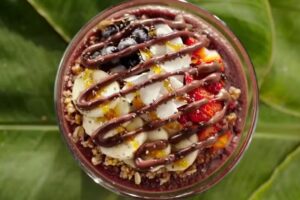
This dedication to quality extended across its menu. The establishment was celebrated as a top-tier smoothie bar, with specific creations earning high praise. The "Pinki swear smoothie" and the "cold brew smoothie" were highlighted as favorites, indicating a creative menu that could cater to different tastes, from fruity to coffee-infused. Beyond beverages, the cafe offered popular food items like acai bowls, a staple for any modern health food spot. These bowls were likely prepared with a rich, frozen acai base and topped with an assortment of fresh fruits, granola, and other superfoods. The menu also included savory options, such as a chicken caesar wrap, which, like the smoothies, was lauded for being made with fresh ingredients and tasting delicious. This consistent focus on freshness for both its food and its signature fresh juice selections was the primary driver of its success and the reason so many customers became regulars.
Operational Challenges and Inconsistency
Despite the overwhelmingly positive in-store feedback, the business was not without its faults. A significant blemish on its record comes from a detailed negative review concerning a delivery order placed through GrubHub. This account highlights a critical disconnect between the quality promised and the product delivered, revealing potential weaknesses in its operational consistency. The customer ordered an "Avocado smash" toast but received something entirely different from what was advertised. Key ingredients like sprouts and pickled onions were missing. Worse, they were replaced with a large amount of chopped, raw white onion, an unpalatable substitution that fundamentally changed the dish for the worse.
The review also noted that there was "barely a smear of avocado," suggesting that the preparation was not only incorrect but also poorly executed and stingy. This incident points to a failure in quality control for off-site orders. The customer’s frustration was clear: they would have preferred the order be canceled rather than receive a substandard and incorrect product. This type of experience can be incredibly damaging, as it erodes the trust a customer has in a brand, especially when they are not present to address the issue in person. It suggests that while the cafe could deliver an excellent experience face-to-face, it may have lacked the standardized processes needed to maintain that same level of quality and accuracy for the growing delivery market. This inconsistency is a crucial part of its story, serving as a cautionary tale for small businesses navigating the complexities of multiple service channels.
Menu, Offerings, and Price Point
The menu at Pure Juice Cafe was a key element of its identity, designed to be both creative and appealing to the health-conscious consumer. It went beyond the basics, offering a diverse range of products that solidified its reputation as a premier juice shop in the Albany area. The offerings could be broken down into several key categories:
- Healthy Smoothies: This was the main attraction. With inventive names and thoughtful ingredient combinations, the smoothies likely included options with various superfoods, protein boosts, and dairy-free milk alternatives to cater to a wide array of dietary needs and preferences.
- Fresh Juice: As a dedicated juice cafe, it undoubtedly offered a selection of raw, cold-pressed, or made-to-order juices. These would have included options for a detox juice program or individual wellness-focused blends.
- Acai Bowls: A staple of the modern health food scene, these bowls served as a substantial meal option, combining antioxidants from the acai berry with the satisfying crunch of granola and the natural sweetness of fresh fruit.
- Wellness Shots: Concentrated servings of potent ingredients like ginger, turmeric, or wheatgrass were likely available for customers seeking a quick and powerful nutrient boost.
- Food and Snacks: To complement its beverage menu, the cafe offered light fare such as wraps, salads, and toasts, all prepared with the same commitment to fresh ingredients.
The price level was moderate, with a smoothie or a wrap costing around $9.50 to $10.00. While not inexpensive, this price point was perceived by many loyal customers as fair value for the high-quality, fresh ingredients and the positive in-store experience. For them, paying a premium was justified by the superior taste and the nutritional benefits of the products they received.