Juice Shop
BackJuice Shop, once situated at the bustling intersection of Pine and Montgomery Street, presented itself as a beacon for health-conscious professionals in San Francisco's Financial District. Though its doors are now permanently closed, its impact on the local wellness scene warrants a closer look. It operated as a counter-serve kiosk, part of a local chain that capitalized on the burgeoning demand for nutrient-dense, convenient options. The business model was straightforward: provide high-quality, raw, and organic juice in a sleek, modern setting. For a time, it was a go-to spot for those seeking a liquid health fix, but its approach came with a distinct set of advantages and disadvantages that defined its customer experience.
A Commitment to Quality and Freshness
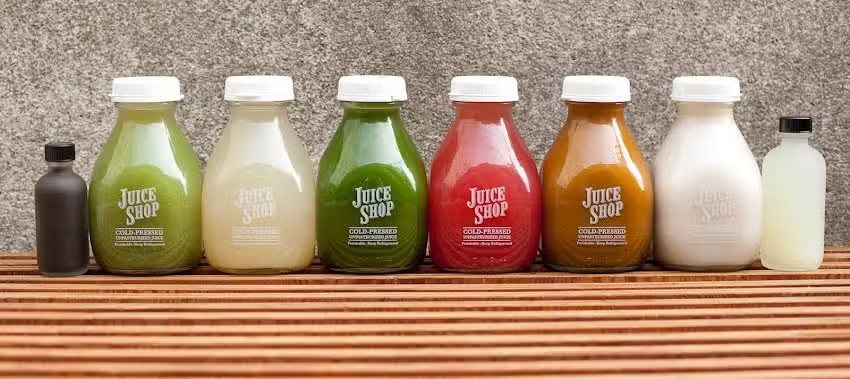
The primary draw of Juice Shop was its unwavering focus on the quality of its products. Customers consistently praised the offerings as delicious, clean, and genuinely fresh. The menu was centered around cold-pressed juice, a method celebrated for its ability to preserve the maximum amount of vitamins, minerals, and live enzymes from fruits and vegetables by using a hydraulic press to extract juice without generating heat. This technique set it apart from conventional centrifugal juicers and was a major selling point for discerning consumers who understood the nutritional benefits. The result was a product that patrons described as "clarifying" and noticeably pure.
Popular blends, such as the often-recommended "Bright Green"—a mix with hints of apple and citrus—became staples for regulars. Other favorites included unique combinations like pineapple with chia. This demonstrated a thoughtful approach to flavor profiling, ensuring that their healthy drinks were not just nutritious but also palatable and enjoyable. The shop provided a tangible alternative for individuals who believed in the benefits of juicing but found the process of buying, prepping, and cleaning a juicer at home to be too tedious. Juice Shop offered the perfect solution: all the benefits of a fresh green juice without any of the associated labor.
Beyond the Bottle: Cleanses and More
While individual bottles were the main attraction, Juice Shop also catered to the more dedicated wellness community with its juice cleanse programs. These packages, available in durations from one to ten days, were designed to help individuals reset their systems. Each cleanse consisted of a curated selection of juices to be consumed throughout the day, providing a flood of nutrients while giving the digestive system a rest. This service positioned the shop not just as a beverage vendor, but as a partner in more intensive health regimens like a detox juice plan. The staff were noted to be knowledgeable and friendly, capable of guiding newcomers through the options and explaining the benefits of different ingredients, adding a layer of trust and expertise to the customer experience. The offering of raw food items further solidified its identity as a comprehensive health spot, not merely a juice bar.
The High Cost of Health
Despite the praise for its quality, one significant and persistent point of criticism was the price. A single 16-ounce bottle of juice was priced at $9, with an additional $2 deposit for the signature glass bottle. While the deposit was refundable upon return of the bottle—an admirable, eco-friendly initiative—the initial outlay of $11 for a single beverage was a substantial barrier for many. This price point immediately categorized Juice Shop as a premium, even luxury, brand.
Several customers directly addressed this issue in their feedback. Some justified the cost by comparing it to the price of a craft cocktail, a glass of wine, or even a fancy coffee drink, arguing that the nutritional payoff was far greater. They saw it as an investment in their health. However, a contrasting viewpoint was equally prevalent. For others, spending $9 on a juice, no matter how fresh, felt exorbitant when a full meal could be purchased for a similar price. This turned the daily juice habit into a "rare treat" rather than a sustainable routine. The high cost undoubtedly limited its customer base, making it less accessible to a broader audience and catering primarily to those with significant disposable income who prioritized convenience and premium wellness products above all else.
A Sleek Operation in a Demanding Location
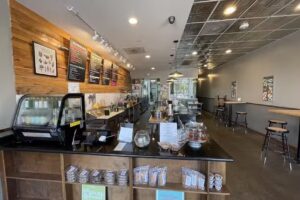
Operating as a small kiosk in the heart of the Financial District, Juice Shop’s aesthetic matched its product: clean, modern, and efficient. The minimalist design and neat rows of colorful juices in glass bottles created a visually appealing and professional atmosphere that resonated with its corporate clientele. The location was both a blessing and a curse. It guaranteed high foot traffic from office workers looking for a healthy lunch alternative or a post-workout refreshment. However, operating in one of the most expensive commercial real estate markets in the country likely contributed to the high prices needed to sustain the business.
Ultimately, Juice Shop's story is a classic case of a high-quality, niche business navigating a competitive urban market. It successfully cultivated a loyal following that appreciated its superior product and was willing to pay a premium for it. It stood as a convenient and trustworthy source for cold-pressed juice and cleanses. However, its pricing model, while reflective of its quality and location, was also its greatest vulnerability. In a city with ever-increasing options for healthy drinks and fresh smoothies at various price points, the value proposition became a point of contention. The permanent closure of this location suggests that, in the long run, the model may have been unsustainable, leaving behind the memory of a brand that excelled in quality but struggled with accessibility.