Robeks
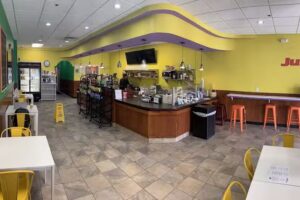
BackFormerly operating at 4325 Glenwood Avenue, the Robeks franchise in Raleigh is now permanently closed, leaving a gap for those who frequented it for a quick and healthy meal alternative. While specific customer testimonials for this particular location are sparse following its closure, an analysis of the brand's offerings and the competitive landscape provides a clear picture of its likely strengths and the significant challenges it faced. This establishment was part of a well-known counter-serve chain, positioning itself as a go-to juice bar for blended juices, protein shakes, and smoothies in a typically bright and modern setting.
For health-conscious consumers, the appeal of this Robeks location would have been its extensive and diverse menu, which catered to a wide array of dietary goals and taste preferences. The offerings were a testament to the brand's commitment to providing nutrient-dense options that went beyond simple fruit drinks. The quality and variety were undeniable assets, giving customers a reason to choose them over less specialized fast-food alternatives.
The Strengths: A Menu Built for Wellness
The core of the Robeks value proposition lay in its comprehensive menu, which was meticulously segmented to guide customers toward their specific wellness needs. This structured approach was a significant positive, transforming a simple drink purchase into a deliberate step toward a health goal. From classic fruit blends to complex, performance-oriented concoctions, the menu was designed for both seasoned health enthusiasts and newcomers looking for a nutritious start.
An Array of Smoothie Choices
The smoothie selection was arguably the main attraction, divided into several distinct categories that highlighted the brand's versatility. This was not just a generic smoothie shop; it was a destination with curated options.
- Classic Smoothies: These were the familiar, fruit-forward blends that appeal to a broad audience. Items like the 'Strawnana Berry' (strawberries, banana, frozen yogurt) or the 'Mahalo Mango' (mango, pineapple sherbet, papaya juice) offered delicious, accessible flavors that served as a great introduction to the world of healthy smoothies.
- Superfood Smoothies: For those seeking a higher nutritional impact, this category was a major draw. Blends such as the 'Queen of All Greens' (kale, spinach, pineapple, banana) and the 'Hero's Garden' (spinach, matcha, pineapple, spirulina, flax seeds) packed leafy greens and nutrient-dense add-ins into a palatable format. This catered directly to the growing demand for functional foods.
- Performance Smoothies: Targeting fitness-focused individuals, this line was rich in protein and energy-boosting ingredients. The '800 LB Gorilla' (banana, peanut butter, chocolate, soy milk, 40g+ whey protein) was a popular choice for post-workout recovery, while the 'P-Nut Power' offered a balanced blend of protein and flavor for sustained energy. These protein shakes were a key differentiator from standard cafes.
Beyond the Blender: Juices, Bowls, and Bites
Robeks expanded its identity beyond just smoothies, embracing other popular health food trends. This diversification was a notable strength, allowing the establishment to capture business throughout the day, not just for a quick drink.
- Fresh Juices: The selection of fresh juices, such as the 'Evergreen' (kale, cucumber, celery, spinach, apple, lemon) or the 'G-Snap' (ginger, carrot, orange), appealed to customers interested in raw nutrition and cleansing. Offering made-to-order fruit juice and vegetable blends provided a sense of freshness and quality.
- Acai Bowls: The inclusion of acai bowls was critical for staying competitive. Options like the 'Acai Strawnana Berry Bowl' or the 'Nutty Acai Bowl' transformed the menu, offering substantial, meal-replacement items that were both trendy and filling. These bowls, topped with granola, fresh fruit, and honey, were a significant attraction.
- Wellness Shots & Toasts: Small but potent wellness shots of wheatgrass, ginger, and cayenne provided a quick health boost. Furthermore, the addition of avocado and peanut butter toasts demonstrated an adaptation to broader cafe trends, making the location a viable spot for a light lunch or snack.
The Challenges: Price, Competition, and Consistency
Despite a robust menu, this Robeks location faced formidable obstacles that likely contributed to its eventual closure. The very market it aimed to serve was crowded and highly competitive, putting immense pressure on pricing, service speed, and overall customer experience.
A Competitive and Saturated Market
The Glenwood Avenue area in Raleigh is a competitive retail environment. The former Robeks was contending with established national giants like Smoothie King, which has multiple locations and strong brand loyalty, particularly among gym-goers. Furthermore, it faced competition from premium brands like Clean Juice, which appeals to the organic-only consumer segment. Local businesses such as Juice Vibes and Kwench Juice Cafe also command their own dedicated followings, often building a strong community feel that can be difficult for a national franchise to replicate. This intense competition meant that customers had numerous options for natural smoothies and juices, making it difficult for any single juice bar to dominate the market.
The Question of Price Point
With a price level noted as moderate (2 out of 4), Robeks positioned itself as a premium fast-casual option. Smoothies could easily range from $9 to $12, and acai bowls often exceeded $14. While the quality of ingredients might justify these prices, for many potential customers, this could feel expensive for a quick, blended beverage or bowl. In a landscape where consumers are price-sensitive, the cost may have been a barrier to frequent visits. Competitors often run aggressive promotions and loyalty programs that can lure away budget-conscious patrons, placing a franchise like this Robeks in a difficult position of balancing quality with affordability.
Operational Hurdles
Any establishment that creates customized, made-to-order products faces inherent operational challenges. The complexity of the Robeks menu, with its numerous ingredients and add-ins, requires precise staff training and efficient workflow to manage. During peak hours, wait times can increase, potentially frustrating customers in a hurry. Maintaining perfect consistency—ensuring a 'Pina Koolada' tastes the same every single time—is a constant challenge. Any lapses in service speed or product consistency, however small, can be enough to push a customer toward a competitor in such a crowded market.
the Robeks on Glenwood Avenue was likely a place of great potential, offering a diverse and high-quality menu of healthy smoothies, juices, and bowls that catered effectively to wellness trends. Its strengths were in its variety and its appeal to a health-focused demographic. However, it operated in a challenging environment defined by intense competition from both national chains and local favorites. The premium price point and the inherent operational complexities of a made-to-order business model were significant hurdles that, combined with the competitive pressure, ultimately proved insurmountable for this location.