WFM Coffee Bar
BackLocated within the Whole Foods Market at 340 N Main St, the WFM Coffee Bar serves as a convenient beverage and snack counter for shoppers. It isn't a standalone destination but rather an integrated feature of the grocery store experience. This positioning defines both its greatest strengths and its most significant weaknesses. Its primary appeal is for the existing Whole Foods customer who might want a caffeine fix or a healthy drink without making a separate trip. The operational hours are consistent, running from 8:00 AM to 4:00 PM every day of the week, catering primarily to the daytime shopper.
The online footprint of this specific coffee bar is remarkably sparse. It has garnered very few reviews, and those that exist lack any written feedback, offering only a star rating. This makes it difficult for a potential new customer to gauge the typical experience. The available ratings are polarized—showing both perfect scores and a very low score—which suggests that service and quality might be inconsistent. This lack of a distinct identity separate from the main store means it doesn't foster the community or atmosphere that destination coffee shops often do. It is a functional, transactional space, not a cozy spot to linger, work, or socialize.
Offerings: More Than Just Coffee
Despite its name, the WFM Coffee Bar is more of a hybrid beverage station, functioning as both a coffee shop and a juice bar. This dual identity is a major asset. Customers can expect a full range of espresso-based drinks, from lattes and cappuccinos to macchiatos and mochas, likely using high-quality organic and fair-trade beans in line with the Whole Foods ethos. Standard brewed coffee and a selection of teas are also available for those seeking simpler options.
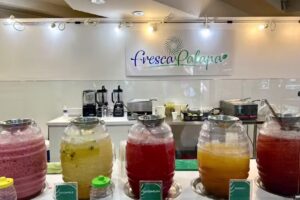
The other half of its menu is dedicated to healthier, fresher options. This is where it competes in the smoothie shop category. You can typically find a variety of organic smoothies, often with options for add-ins like plant-based protein, whey protein, spirulina, or other superfoods. The menu is designed to cater to health-conscious consumers, offering creations that are both flavorful and nutrient-dense. Alongside smoothies, the bar serves fresh-squeezed juice, providing a quick way to get a dose of vitamins. Offerings often include popular combinations and wellness-focused recipes.
Potential Menu Highlights:
- Green Juice: A staple at any juice bar, typically featuring a blend of kale, spinach, celery, cucumber, apple, and lemon.
- Detox Juice: Formulations often include ingredients like ginger, beets, and carrots, aimed at cleansing and revitalization.
- Cold-Pressed Juice: While made on-site, some locations may offer pre-bottled cold-pressed juice for a quick grab-and-go option.
- Smoothie Bowls: Many Whole Foods bars have expanded to include açaí or dragon fruit bowls, topped with granola, fresh fruit, and other garnishes, turning a drink into a light meal.
In addition to beverages, a selection of pastries, croissants, muffins, and other baked goods is usually available, as well as some pre-packaged sandwiches and snacks for a quick lunch. The price point is moderate, aligning with the general pricing strategy of Whole Foods Market—not the cheapest option available, but justified by the perceived quality of the ingredients.
The Pros: Quality and Convenience
The single greatest advantage of the WFM Coffee Bar is its synergy with the grocery store. It offers unparalleled convenience. You can grab a latte to sip while you shop, pick up a healthy drink for your child, or refuel with a smoothie after you've checked out. There's no need to make an extra stop. This integration is a powerful draw for busy individuals and families.
The second major pro is the ingredient quality. Being part of Whole Foods, the bar benefits from access to a vast supply of fresh, organic produce. This is especially relevant for its juice bar offerings. The fruits and vegetables used in the juices and smoothies are the same ones sold in the store's produce section, which provides a level of transparency and trust that many standalone shops can't match. Customers can be reasonably confident that their green juice is made with fresh, high-quality organic kale and their smoothie contains real, natural fruits without artificial syrups or additives.
The Cons: Atmosphere, Hours, and Inconsistency
While convenient, the WFM Coffee Bar cannot replicate the ambiance of a dedicated café. It is situated within a bustling supermarket, which means the environment is often noisy and hectic. The sounds of shopping carts, PA announcements, and checkout counters replace the curated music and quiet hum of a traditional coffee house. Seating, if available, is often limited and functional, not designed for comfort or extended stays. This makes it an unsuitable choice for those looking for a quiet place to work, read, or have a relaxed conversation.
The limited operating hours are another significant drawback. By closing at 4:00 PM, the coffee bar misses a large segment of customers, including the after-work crowd and evening grocery shoppers. Someone stopping at Whole Foods for dinner ingredients at 6:00 PM will find the bar closed, which feels like a missed opportunity.
Finally, the lack of substantial online reviews and the polarized ratings that do exist point to a potential problem with consistency. The experience may be highly dependent on the specific staff member on duty. A great barista can make a perfect latte and offer friendly service, while an indifferent or poorly trained employee can lead to a disappointing visit. For a counter that relies on speed and efficiency, any delays or errors can be particularly frustrating for shoppers on a tight schedule. Without a larger body of customer feedback, it remains a gamble for first-time visitors.