Uptown Juice Company
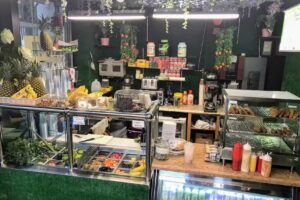
BackUptown Juice Company, formerly located at 1629 Broadway, presented itself as a contemporary and specialized destination for health-conscious consumers in Oakland. Though now permanently closed, it left a distinct impression on its patrons, carving out a niche with its focus on high-quality, organic beverages. The establishment operated with a clear vision: to provide a variety of cold-pressed juice combinations served in environmentally friendly, recyclable glass bottles. This approach was immediately visible in its storefront, which projected a modern, hip, and clean vibe, attracting those in search of a premium wellness product.
Product Quality and Menu Innovation
The core of Uptown Juice Company's appeal was undoubtedly its product line. The business prided itself on using organic ingredients, a commitment that resonated strongly with customers who prioritized clean eating and drinking. The juice combinations were frequently described as inventive, moving beyond standard fare to offer unique flavor profiles. For instance, patrons fondly recalled specific creations like the 'Skinny Grapefruit' and the 'Bonita Apple-Bomb,' the latter of which featured a memorable kick from fennel and ginger. This creativity demonstrated a sophisticated understanding of flavor pairing and nutritional benefits, positioning the shop as a premium juice bar.
Beyond its signature juices, the menu had other notable offerings. The house-made almond milk was praised for its quality, providing a dairy-free alternative that maintained the shop's high standards. Interestingly, the company also ventured into savory options by offering beef broth and a selection of prepared foods and pantry items from Mission: Heirloom, a Berkeley-based company known for its grain-free, paleo-centric meals. This partnership expanded Uptown's identity from a simple juice shop to a broader health food purveyor, catering to a specific dietary lifestyle. This curated selection of products suggested a holistic approach to wellness, aiming to be a one-stop-shop for customers dedicated to a particular health regimen.
A Focus on Sustainability
A unique operational detail that set Uptown Juice Company apart was its bottle deposit program. Each fresh juice was sold in a glass bottle that carried a $2 deposit. Customers were encouraged to return the empty bottles on their next visit, at which point the deposit would be nullified or refunded. This practice, while adding a small logistical step for the consumer, underscored the company's commitment to sustainability and waste reduction. It was a tangible reflection of the eco-conscious values often associated with establishments that promote natural ingredients and healthy living.
The Customer Experience: Vibe vs. Service
The atmosphere within Uptown Juice Company was often cited as a major positive. Patrons described an environment filled with great music and staffed by "real people," fostering a sense of authenticity that stood in contrast to more corporate chains. This ambiance contributed to the feeling that the business was genuinely invested in the local Oakland community. It wasn't just a place to buy healthy drinks; it was a spot with a distinct, pleasant vibe that encouraged loyalty among those who connected with its mission. For some, this welcoming and genuine atmosphere was a primary reason for their patronage.
However, the customer experience was not universally positive, with service quality emerging as a significant point of contention. One of the most damaging accounts involved a customer attempting to order a smoothie in the morning, only to be told by the barista that they needed to complete opening tasks first, such as moving tables outside. The staff member's inability to multitask or prioritize a waiting customer led to a lost sale and a thoroughly negative impression. This incident highlights a potential operational weakness, suggesting that service could be inconsistent and, at times, fell well short of expectations for a premium-priced establishment. Such lapses in service can quickly erode the goodwill built by a quality product and a pleasant atmosphere.
The Challenge of Pricing
Perhaps the most debated aspect of Uptown Juice Company was its pricing structure. While the business was officially listed with an inexpensive price level, the direct feedback from customers told a different story. Words like "horribly overpriced" and "slightly prohibitive" were common descriptors. Many acknowledged the high quality of the ingredients and the labor-intensive nature of producing cold-pressed juice, viewing the cost as a "health-boosting investment." One patron even commented they would visit daily if they could afford it, conceding that "you get what you pay for."
This feedback paints a picture of a business targeting a specific demographic willing to pay a premium for a top-tier product. While the quality may have justified the price for some, it was a significant barrier for others. The high cost, combined with occasional service missteps, likely made it difficult for the company to build the broad, consistent customer base needed for long-term success. The value proposition—high price for high quality—is a delicate balance, and for a segment of potential customers, the scales tipped unfavorably.
In retrospect, Uptown Juice Company was a business of contrasts. It succeeded in creating high-quality, innovative, and delicious organic juices and wellness products that catered effectively to a niche market. Its community-focused, non-corporate vibe and commitment to sustainability were commendable and appreciated by its loyalists. However, its premium pricing was a significant hurdle for many, and inconsistencies in customer service created memorable negative experiences that undermined its premium branding. With an average rating of 3.4 stars from a handful of reviews, the public sentiment was clearly divided. Ultimately, its story serves as a case study in the competitive market of health and wellness, where even a superior product can struggle if the overall value proposition, including price and service, isn't perfectly aligned with customer expectations.