Tempe Town Nutrition
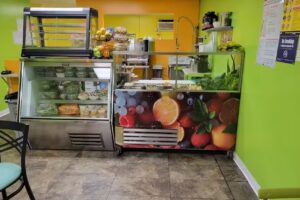
BackLocated at 3163 S McClintock Dr #31 in Tempe, Arizona, Tempe Town Nutrition was a local establishment focused on providing health-conscious beverage options. However, for anyone considering a visit, it is crucial to know that the business is now listed as permanently closed. While it no longer serves the community, a closer look at its business model and the niche it occupied reveals valuable insights into what it offered and the potential challenges it faced in the competitive health food market.
As its name suggests, Tempe Town Nutrition positioned itself as more than just a typical beverage vendor. It operated as a nutrition club, a specific business model often associated with brands like Herbalife. These establishments are designed to be community hubs where customers can get personalized nutritional guidance, purchase products, and enjoy freshly made drinks in a supportive environment. For its patrons, the primary draw was the menu of meal replacement shakes and energizing teas, designed to cater to a variety of health and fitness goals. The offerings were likely diverse, featuring a wide array of flavors and nutritional boosts, making it a popular spot for post-workout recovery or a quick, healthy meal alternative.
The Positive Aspects of the Experience
When it was operational, Tempe Town Nutrition provided several benefits that appealed to a specific clientele. The core of its positive reception was its focus on health and wellness, offering products that were perceived as a healthier alternative to traditional fast food or sugary drinks. Customers seeking healthy smoothies or potent protein shakes found a dedicated spot that understood their needs. The ability to customize drinks with various supplements, such as protein powders, vitamins, and fiber, was a significant advantage for those with specific dietary targets.
Furthermore, the "club" aspect was a key part of its appeal. Unlike a standard juice shop where transactions are quick and impersonal, this establishment fostered a sense of community. The staff, often referred to as coaches, would build relationships with regulars, offering encouragement and advice on their wellness journeys. This created a loyal customer base that came not just for the products but for the social interaction and motivation. Many nutrition clubs host events like weight loss challenges or fitness meetups, further strengthening these community bonds. This model transforms a simple purchase into a more holistic and engaging experience.
Menu and Product Offerings
The menu at a place like Tempe Town Nutrition would have been centered around a few key items:
- Meal Replacement Shakes: These were the star of the show. Blended with protein powder, milk or a milk alternative, and various flavorings, these shakes were designed to be low in calories but high in nutrients, making them a convenient option for weight management or a quick lunch.
- Energizing Teas: Often served chilled, these teas were typically low-calorie and formulated with ingredients meant to provide a metabolic boost and increase alertness, serving as a healthier alternative to coffee or soda.
- Aloe Shots: Many nutrition clubs offer a shot of herbal aloe concentrate before the tea and shake, which is promoted for its digestive health benefits.
The convenience of having these healthy drinks prepared on-site, combined with the perception of receiving a nutritious, goal-oriented product, was a powerful draw. The establishment also offered both dine-in and takeout options, and importantly, featured a wheelchair-accessible entrance, ensuring it was available to a broader range of customers.
The Challenges and Downside
Despite the positive community aspects, the business model of a nutrition club also comes with inherent challenges and criticisms that may have contributed to its eventual closure. One of the most significant hurdles is the direct association with multi-level marketing (MLM) companies like Herbalife. While these clubs are independently owned, they exclusively use and sell products from one parent company. This can be a deterrent for customers who are wary of MLM business practices or who prefer products made from whole foods rather than processed powders and supplements.
Another potential negative is the cost. A single tea, aloe, and shake combo can be significantly more expensive than making a smoothie at home or even purchasing one from a conventional smoothie shop. Customers must weigh the price against the perceived benefits of convenience and community. For some, the value proposition is strong, but for others, the recurring expense can become unsustainable, especially in a market with many other options for healthy drinks.
Transparency and Business Model Concerns
A lack of transparency can also be a point of contention for potential customers. Often, the pricing structure isn't straightforward; customers may pay a "membership" or "club fee" for the day which includes their drinks, rather than paying for the items directly. This can be confusing and may feel less transparent than a traditional retail transaction. Furthermore, the emphasis is often not just on selling drinks but also on recruiting new distributors for the parent MLM company, which can make some patrons uncomfortable if they are only interested in purchasing a shake.
The ultimate closure of this Tempe juice bar underscores the difficulties small businesses face. Competition in the health and wellness space is fierce, with numerous cafes, traditional juice bars, and even grocery stores offering fresh juice and smoothies. To succeed, a business needs a strong, unique selling proposition and a sustainable model. While the community-centric approach of a nutrition club works for many, it may not have been enough to overcome the location's specific market pressures or the inherent limitations of its business structure.
Final Analysis
In retrospect, Tempe Town Nutrition was a specialized establishment that catered to a niche market of health-conscious individuals looking for both a product and a community. It offered a friendly, supportive atmosphere and a menu of convenient, goal-oriented meal replacement shakes and teas. The positive aspects were rooted in its personalized service and the camaraderie it fostered among its members. However, the potential downsides—including high costs, a business model tied to an MLM, and intense local competition—likely presented significant obstacles. Its permanent closure serves as a reminder of the volatile nature of the food and beverage industry, where even businesses with a dedicated following can struggle to maintain long-term viability.