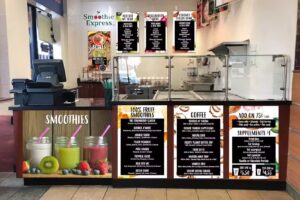

Surf City Squeeze
BackThe Surf City Squeeze location at 2556 Somersville Rd in Antioch, once a familiar kiosk for shoppers, has permanently ceased operations. Situated conveniently within a local mall, it served as a go-to spot for a quick and often satisfying beverage. As a franchise, Surf City Squeeze aims to provide a consistent menu of fruit-based drinks, and for many years, this specific venue was a part of that mission. However, a closer look at its history reveals a mixed legacy, characterized by both high praise for its products and significant criticism regarding its operational standards.
A Dual Reputation: The Customer Experience
Analyzing the feedback from former patrons paints a picture of a business with notable highs and lows. For many, this juice bar was a cherished part of their shopping routine, while for others, it was a source of considerable frustration. This division in customer sentiment highlights the inconsistencies that may have defined its time in business.
The Positive Side: Flavor and Convenience
For a significant portion of its clientele, this Surf City Squeeze location was a beloved establishment. It wasn't uncommon to hear it praised for having the "best smoothies you will find around these parts." Regulars made it a point to stop by for a drink every time they visited the mall, drawn in by what was described as a "nice selection" of fresh smoothies. This loyalty speaks to a product that, when made well, was clearly a standout. The core offerings of a brand like Surf City Squeeze typically revolve around accessible and popular flavors, such as the classic Strawberry Banana or tropical blends featuring mango and pineapple. The menu also often included "Pumped Up Smoothies," which allowed customers to add protein shakes boosters and other nutritional supplements like whey protein, spirulina, and ginseng, catering to a more health-conscious demographic.
Its location was another major asset. Positioned as a kiosk "in the middle of everything," it offered maximum convenience. Shoppers could easily grab a refreshing healthy drink without deviating from their path, making it an ideal spot for a quick break. With a low price point, it was an affordable treat for families and individual shoppers alike. This combination of a desirable product, strategic placement, and accessible pricing created a strong foundation for a positive customer base.
The Negative Side: Communication and Service Failures
Despite the praise, a persistent and serious issue plagued this establishment: communication. Multiple customer accounts, spanning several years, highlight the fact that the business phone was seemingly never answered. One patron from seven years ago noted, "They don't answer their phone," calling it "Not good business." Another, from four years ago, echoed the exact same sentiment: "They will never answer the phone." This chronic unresponsiveness created a significant barrier for potential customers who had questions or wanted to place an order, suggesting a fundamental breakdown in basic business practices.
Beyond the communication issues, the in-person experience was reportedly inconsistent. One review, despite its paradoxical 5-star rating, contained the text: "Not very nice staff and smoothies are not good." This points to instances of poor customer service and a failure to deliver on the product quality that loyal customers had come to expect. While other locations of the chain are praised for using real fruit, some customers have questioned the healthiness of the drinks, suggesting they can contain sugary syrups and liquids instead of advertised ingredients like Greek yogurt. This inconsistency between a customer's expectation for a healthy fruit juice and the reality of a sweeter, less nutritious beverage could lead to disappointment. The Antioch location's reported lapses in staff friendliness and product quality suggest these broader brand concerns were present here as well.
An Analysis of the Mall Kiosk Model
Operating as a mall-based kiosk presents a unique set of advantages and disadvantages that likely influenced the trajectory of this Surf City Squeeze branch.
Advantages:
- High Foot Traffic: The central location guaranteed a steady stream of potential customers without the need for extensive external marketing. Every person walking through that part of the mall was a potential sale.
- Impulse Purchases: The bright, colorful appearance of a smoothie shop is designed to attract impulse buyers looking for a quick treat, a model that thrives in a bustling shopping environment.
- Lower Overhead: Compared to a traditional storefront, a kiosk typically has lower rent and fewer maintenance costs, which can be financially advantageous.
Disadvantages:
- Intense Pace: The constant flow of shoppers can create a high-pressure environment for staff. This may contribute to rushed service, mistakes in orders, and the negative staff interactions reported by some customers.
- Limited Space: A small kiosk footprint restricts storage for fresh ingredients and limits the complexity of the menu. It also means staff are always on display, with little separation from the public.
- Operational Oversights: The issues with answering the phone may stem from the hectic nature of the kiosk model, where staff might be too busy with in-person customers to handle calls. However, for a business, this remains a critical failure regardless of the reason.
Final Reflections
The story of the now-closed Surf City Squeeze in Antioch is a case study in the importance of consistency. While it clearly succeeded in creating a product that many customers loved, its operational failures ultimately cast a long shadow. The inability to maintain consistent quality, friendly service, and basic communication channels like a working phone line created a fractured reputation. For every loyal customer who made a point to visit, there was another who was turned away by an unanswered call or a negative in-person experience. While this specific juice bar is no longer an option for mall-goers, its history serves as a valuable lesson on how even a convenient location and a popular product cannot always overcome fundamental flaws in customer service and business management.