Squeeze Juice Company
BackLocated in Somerville's bustling Assembly Row, Squeeze Juice Company was a destination for shoppers and fitness enthusiasts looking for a quick and healthy option. However, this establishment is now permanently closed, leaving behind a mixed legacy reflected in its moderate 3.8-star rating. An analysis of its operations reveals a business that showed significant promise with its product concept but was ultimately undermined by persistent issues with consistency in both its offerings and customer service.
The Healthy Promise: Juices, Bowls, and More
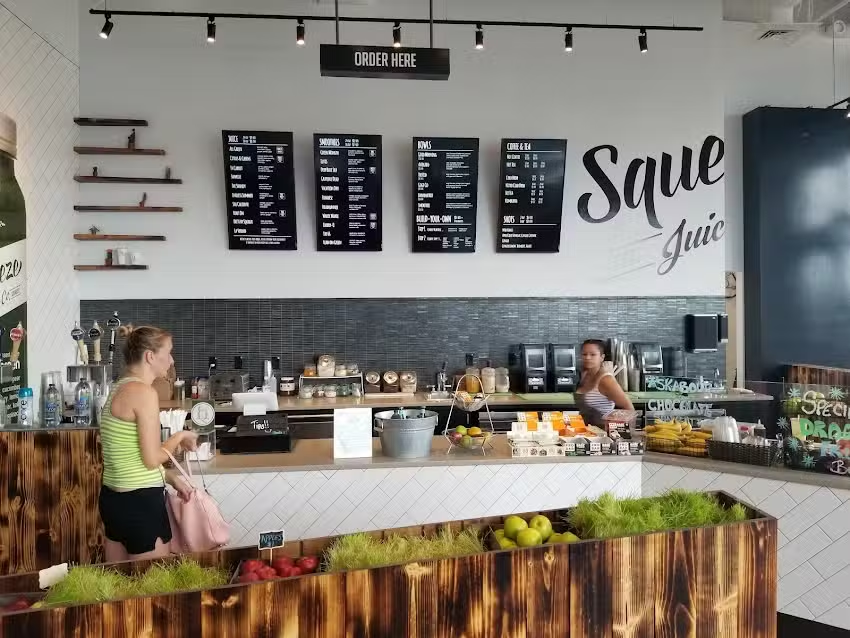
On paper, Squeeze Juice Company had all the makings of a successful modern juice shop. Its menu catered directly to a health-conscious demographic, offering a variety of popular items. Customers could find a wide range of healthy smoothies, nutrient-packed açaí bowls, and quick wellness shots. For those committed to a regimen, the shop likely provided options for a full juice cleanse. The location was a significant advantage, situated conveniently near several fitness studios, making it an ideal spot for a post-workout refreshment.
Certain menu items received high praise and demonstrated the kitchen's potential. The Breakfast Bowl, featuring açaí, was singled out by at least one patron as "amazing." The physical space also had its charms, including a second-floor balcony that offered a pleasant spot to enjoy a purchase. When all the elements aligned correctly, Squeeze provided a positive experience with fresh-tasting and satisfying products. The price point was also relatively accessible, adding to its initial appeal.
A Pattern of Inconsistency
Despite the promising menu and prime location, the customer experience at Squeeze Juice Company was often unpredictable. This inconsistency manifested in two critical areas: product quality and staff interaction. These recurring problems prevented the business from building the reliable reputation necessary for long-term success.
Product Quality Control Issues
A significant source of frustration for customers was the lack of consistency in the food and drinks. A patron ordering the same smoothie on different days could receive a completely different product. For example, the "Elvis" smoothie was described as being perfectly peanut butter-flavored on one visit, overwhelmingly banana-centric on another, and having a strange, powdery taste on a third. This variability made it difficult for customers to develop loyalty to specific items, as they could never be sure they would get the drink they remembered and enjoyed.
Other issues also plagued the products. Smoothies were sometimes reported as being excessively icy, resulting in a watery, diluted flavor that felt like poor value for the price. Furthermore, management made abrupt changes to core ingredients that alienated even loyal customers. One regular visitor lamented a change in the granola used for the açaí bowls, stating the new recipe was savory and completely mismatched with the sweet, fruity base of the bowl, rendering her favorite item inedible. These inconsistencies suggest a lack of standardized recipes or inadequate staff training, fundamental flaws for any establishment in the food service industry, especially a smoothie bar that depends on repeat business.
Customer Service Shortcomings
Even more damaging than the inconsistent products was the widely reported poor customer service. Multiple reviews spanning several years highlight a pattern of unfriendly, rude, and unhelpful staff. Customers described being met with blank stares instead of greetings and feeling unwelcome from the moment they approached the counter. This atmosphere is the antithesis of the vibrant, positive environment one expects from a health-focused brand.
One particularly detailed account illustrates a severe breakdown in service. A customer who was mistakenly given a smoothie with protein powder, to which she had an allergy, attempted to have it corrected. Instead of a swift apology and a new smoothie, she was met with dismissiveness and aggression. The staff initially argued that she had ordered it that way before begrudgingly and angrily remaking the drink. The replacement smoothie was then poorly made—warm, watery, and not filled to the top. When the customer reached out to the company's corporate channels, she received no apology, only a generic promise to "look into it." This incident points to a systemic issue, suggesting that poor service was not just an isolated problem but a reflection of the company's culture and lack of employee support or training. Reviews from former employees at other locations hint at a disconnect between owners and the daily operations of the stores, which could explain the prevalent service issues.
Final Analysis of a Closed Business
The story of the Squeeze Juice Company at Assembly Row is a cautionary tale. It possessed a strong concept, a desirable location, and a menu aligned with modern wellness trends. It had the potential to be a thriving hub for anyone seeking fresh juices and healthy fare. However, its failure to master the fundamentals of business—consistency and customer service—proved to be its downfall. The inability to deliver a reliable product and a positive experience on every visit eroded customer trust and loyalty.
While some patrons had positive experiences, the sheer volume and consistency of negative feedback regarding staff behavior and product quality paint a clear picture. In a competitive market, especially in a high-traffic area like Assembly Row, a business cannot survive on potential alone. The ultimate closure of this juice bar serves as a clear indicator that even with the right ideas, execution is paramount. The legacy it leaves is one of missed opportunities and the crucial lesson that a welcoming staff and a dependable product are the true keys to sustainability.