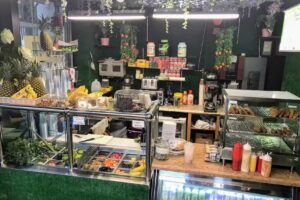
Sprout and Pour
BackA Retrospective Look at Sprout and Pour
For a time, Sprout and Pour carved out a significant niche within Birmingham's health and wellness landscape. As the city's first dedicated cold-pressed juicery, it offered residents a direct line to nutrient-dense beverages and healthier food alternatives. Although the business is now permanently closed, an examination of its operations, products, and customer reception provides a clear picture of the value it brought to the community and the potential challenges it faced. The establishment was founded on a personal story of wellness; co-founder Amanda Blake Turner, alongside her husband Andrew, ventured into the juicing business after experiencing the health benefits firsthand during her recovery from an illness. This personal mission resonated through the brand, which began its journey at the popular Pepper Place Market before expanding to physical storefronts, including a location in Homewood.
The Positive Impact and Core Strengths
Sprout and Pour's primary appeal was its commitment to quality and local sourcing. The business made a point to use fruits and vegetables from local Alabama farms, a practice that not only supported the local economy but also ensured a fresher, higher-quality product. This farm-to-bottle approach was a cornerstone of their identity and a major draw for health-conscious consumers looking for transparency in their food choices. The process of cold-pressing, which involves using a hydraulic press to extract juice without generating heat, was central to their offerings. This method is believed to preserve more vitamins, enzymes, and minerals compared to traditional centrifugal juicing, resulting in a more nutritionally potent product. For many customers, this made Sprout and Pour a go-to destination for a genuine detox cleanse or a daily nutritional boost.
The product line itself was a significant strength. Based on available information, the menu was both creative and focused, offering a range of options that catered to different tastes and health goals. Customer feedback often highlighted the surprisingly delicious nature of the juices, even those with vegetable-heavy profiles that might seem intimidating at first glance. One notable account mentioned initial skepticism over the green appearance of the "Quench" juice, which was quickly replaced by enjoyment of its balanced and fresh flavor. This ability to make healthy taste good was a key factor in its popularity.
Beyond its direct-to-consumer sales, Sprout and Pour demonstrated a savvy understanding of community integration. A prime example was its collaboration with the esteemed Bottega Café on a unique cocktail named the "Sprout and Purr." This drink featured Sprout and Pour's "Quench" juice mixed with Cathead Vodka and other ingredients, showcasing a creative and upscale application of their product. Such partnerships helped elevate the brand's profile and introduced their juices to a broader audience that may not have otherwise visited a dedicated juice bar.
A Closer Look at the Menu
The heart of any juice shop is its menu, and Sprout and Pour offered a well-curated selection of juices, cleanses, and other healthy items. While the full extent of their offerings evolved over time, their core cold-pressed juices were the main attraction.
Signature Cold-Pressed Juices
Thanks to archived information from its former website, we have a clear idea of their signature juice lineup, which was priced around $6.99 to $8.99 per bottle. This price point reflects the labor-intensive process of cold-pressing and the cost of fresh, often locally sourced, produce.
- Quench: A popular green juice blend consisting of romaine, mint, apples, celery, pineapple, and parsley. This was a flagship product, known for its refreshing and balanced flavor.
- BeetNik: Presumably a beet-based juice, offering the earthy, detoxifying properties associated with beetroot, often blended with sweeter fruits like apple or orange to balance the flavor.
- Black Charcoal Lemonade: A trendy and visually striking option that included activated charcoal, known for its purported detoxifying qualities, mixed into a classic lemonade base.
- Cashew Milk: A dairy-free, plant-based milk made in-house, likely providing a creamy and satisfying option for smoothies or as a standalone drink.
- Cha Cha: The name suggests a spicy or tropical blend, possibly featuring ingredients like cayenne, ginger, or pineapple to create a zesty flavor profile.
- Sunrise: Likely a bright, citrus-forward juice, probably featuring oranges, carrots, and perhaps ginger or turmeric for an anti-inflammatory kick to start the day.
- T 101: While the name is cryptic, this could have been a turmeric-centric tonic, as "T" is often used to denote turmeric in the wellness community.
Cleanses and Smoothies
Beyond individual bottles, Sprout and Pour catered to the dedicated wellness community by offering structured juice cleanses. These packages, available in 1, 3, 5, and 7-day options, provided customers with a curated selection of juices designed to replace solid meals for a set period. This service positioned them as more than just a beverage provider; they were a partner in their customers' health journeys. The menu also included healthy smoothies, which would have offered a more substantial, fiber-rich option compared to juices, often blended with their house-made Cashew Milk, fruits, and superfood add-ins.
Challenges and Eventual Closure
Despite its strong product and positive reputation, Sprout and Pour ultimately ceased operations. While the specific reasons for its closure are not publicly detailed, businesses in this sector face a common set of challenges. The premium price point of high-quality, organic ingredients and cold-pressed juice can be a barrier for some consumers, limiting the size of the potential customer base. A price of nearly $7 for a single-serving beverage, while justified by the production cost, requires a consistent and dedicated clientele.
Furthermore, the health and wellness market is highly competitive. While Sprout and Pour was a pioneer in Birmingham as the first cold-pressed juicery, the subsequent rise of national chains and other local cafes offering healthy options would have increased competition. The operational complexities of sourcing fresh produce, managing a short shelf-life product, and the intensive labor of juicing also contribute to high overhead costs.
The dine-in aspect of the business, while beneficial for building community, also adds expenses related to rent and staffing for the physical storefront. For many patrons, the permanent closure of Sprout and Pour marked the loss of a valued local business that was instrumental in promoting a healthier lifestyle in Birmingham. It served as a reminder of the difficulties that even well-loved, high-quality specialty food businesses can face in a demanding market.