Smoothie King
BackLocated at 29 N Central Ave, the Smoothie King in Clayton, Missouri, presents itself as a convenient hub for health-conscious consumers. With long operating hours that cater to both early-morning gym-goers and the after-work crowd, and offering a full suite of services including dine-in, takeout, delivery, and curbside pickup, it positions itself as a versatile option in the local food scene. However, a deeper look at customer experiences reveals a business with notable highs and significant lows, painting a complex picture for potential patrons.
The Bright Side: A Focus on Service and Cleanliness
For many customers, the in-store experience at this specific Smoothie King location is overwhelmingly positive. A recurring theme in favorable reviews is the quality of the staff. Patrons have described employees as friendly, welcoming, quick, and polite. One detailed account praised two young women for being exceptionally patient, offering helpful suggestions, and genuinely caring whether the customers enjoyed their drinks. This level of attentive and thoughtful service can turn a simple transaction into a memorable and pleasant outing, fostering customer loyalty.
Another significant strength frequently mentioned is the cleanliness of the establishment. From the general dining area to the customer restrooms, the store is noted for being well-maintained. In the food service industry, cleanliness is paramount, and this location's commitment to a tidy environment provides peace of mind and enhances the overall customer experience. For those looking for a reliable spot to sit and enjoy a beverage, this attention to hygiene is a major selling point.
Points of Contention: Inconsistency and Inflexible Policies
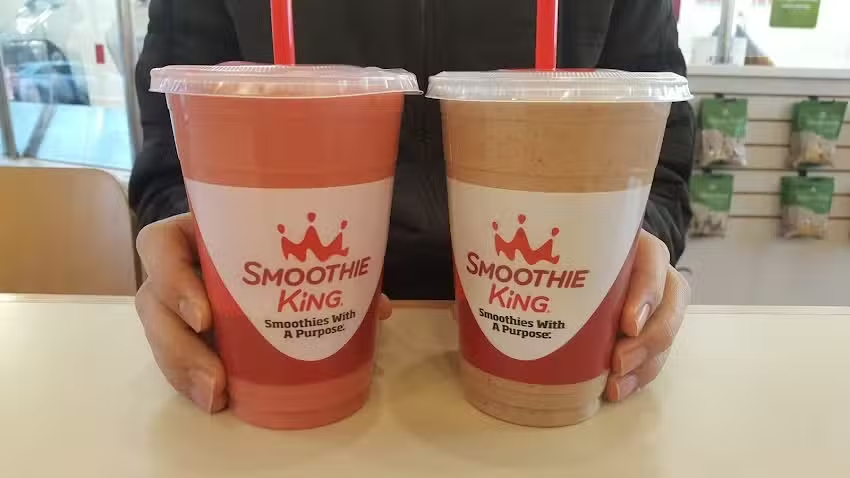
Despite the praise, not all experiences are seamless. The very product the business is built on—the smoothie—has faced criticism for inconsistency. One regular customer noted a recent decline in quality, describing smoothies containing large chunks of ice, far from the smooth texture expected. This suggests potential issues with rushed preparation or equipment maintenance, a problem that directly impacts product quality. The customer's plea to "Make Smoothies Smooth Again" encapsulates a frustration that can erode trust in a brand's core offering.
More concerning, however, is a severe issue regarding customer service for remote orders. One detailed account from a frequent patron, who relies on smoothies as a meal substitute following bariatric surgery, highlights a critical flaw in their operational policy. The customer accidentally placed a $17 order at the Clayton location while physically in Chesterfield. Upon realizing the error within minutes, they immediately called the store to cancel. The request was met with what the customer described as "attitude and uncooperativeness." The staff flatly refused to cancel the order, issue a refund, or provide a store credit. Follow-ups with a supposed manager's number led to a dead end with an unconfigured voicemail, and a formal complaint to the corporate office remained unanswered after nearly a week. This incident reveals a rigid and unsympathetic policy for handling common online ordering mistakes. While Smoothie King's official policy directs customers to contact the store directly for cancellations, this experience shows a complete breakdown in that process, leaving the customer feeling dismissed and financially slighted. For potential customers who rely on the convenience of app-based ordering, this account serves as a significant warning about the potential risks and lack of recourse if an error occurs.
A Look at the Menu: Purpose-Driven Blends
Smoothie King's menu is extensive and intentionally categorized to meet specific wellness goals, a key differentiator in the crowded juice bar market. The brand's "Clean Blends" initiative is a cornerstone of its marketing, promising smoothies made with whole, non-GMO fruits, organic vegetables, and an absence of artificial colors, flavors, or preservatives. This commitment appeals directly to a health-savvy demographic.
The menu is structured around different purposes, making it easier for customers to choose a drink that aligns with their needs. These categories include:
- Get Fit Blends: These are typically high in protein and are designed as a post-workout smoothie to aid in recovery. The popular Gladiator series, for instance, packs a significant protein punch with minimal carbs.
- Manage Weight Blends: These options are crafted to be lower in calories while still providing essential nutrients, often serving as meal replacement smoothies. The Metabolism Boost blends, for example, include fiber and naturally derived caffeine to help curb appetite and support metabolic function.
- Be Well Blends: This category focuses on overall wellness, with ingredients like kale, spinach, and various vitamins to support the immune system and general health. Options like the Vegan Mango Kale provide a convenient way to increase fruit and vegetable intake.
- Enjoy a Treat Blends: For those looking for something more indulgent, these smoothies offer classic flavors, though some can be high in calories and sugar, like "The Hulk," which includes butter pecan ice cream.
This purpose-driven approach helps customers navigate the wide array of fruit smoothies and healthy shakes, but it's still wise to check the nutritional information, as some "healthy" sounding options can be surprisingly high in sugar or calories.
A Tale of Two Experiences
The Smoothie King on N Central Ave in Clayton is a business of contrasts. On one hand, it offers a welcoming and clean environment with staff who are often praised for their friendliness and helpfulness. The extensive menu, backed by a "Clean Blends" promise, provides a wealth of options for anyone seeking protein shakes, a quick fresh juice-based meal, or a wellness boost. The convenience of its location and various ordering methods adds to its appeal.
On the other hand, the establishment is marred by potential inconsistencies in its product and, more critically, a rigid and unforgiving customer service policy for remote orders. The inability—or unwillingness—to resolve a simple ordering mistake points to a systemic issue that could easily alienate customers. For those planning to visit, the in-person experience is likely to be positive. However, anyone using the app or website to order should exercise extreme caution, as a simple mistake could lead to a frustrating and unresolved financial loss. This location shines in its day-to-day, face-to-face interactions but shows significant weakness in its ability to handle exceptions and provide flexible, customer-centric solutions in the digital realm.