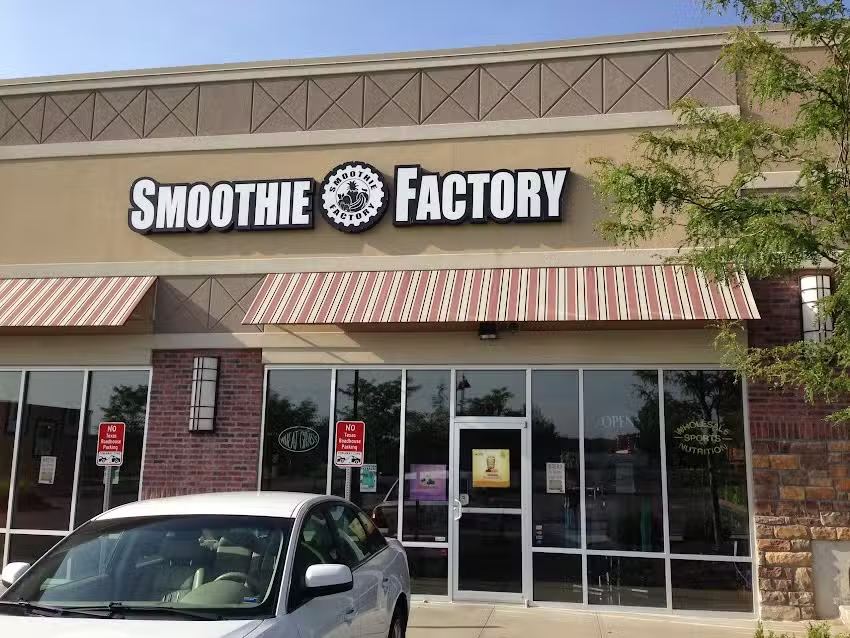
Smoothie Factory
BackThe Smoothie Factory location at 491 NE Coronado Drive in Blue Springs, now permanently closed, presented a complex picture to its customers. For years, it was a go-to spot for many seeking what they believed were healthy and delicious beverages. However, a deeper look into customer experiences reveals a business that, while capable of producing tasty products and fostering a friendly environment, struggled with significant operational flaws and faced serious questions about the health-_cl_aims at the core of its brand identity.
The Bright Side: Flavor, Value, and a Welcoming Owner
For a significant portion of its clientele, Smoothie Factory was a beloved local establishment. Patrons frequently praised the taste and quality of the products, with some reviews calling it the “best smoothie place in town.” The menu was described as well-conceived, offering good value for the price. This positive sentiment was heavily bolstered by the presence of the franchise owner, who was consistently described as friendly, actively involved in the daily operations, and genuinely committed to ensuring customer satisfaction. This hands-on approach created a welcoming, small-business atmosphere that resonated with many regulars. The staff, in turn, were often noted for being friendly and contributing to the clean and pleasant environment of the store.
Customers who enjoyed their experience pointed to the deliciousness of the fresh fruit smoothies and juices as the primary reason for their loyalty. In a market with increasing competition from other juice bars and cafes, the ability to consistently deliver a product that people found genuinely tasty was a major asset. The combination of a strong product and personable, owner-led service created a loyal following and garnered numerous five-star reviews from patrons who felt valued and well-served.
The Downsides: Service Delays and a Crisis of Ingredients
Despite the praise, the Blue Springs Smoothie Factory was not without its considerable problems. Two major themes of criticism emerged from customer feedback: frustratingly slow service and, more alarmingly, a significant disconnect between its healthy image and its actual ingredients.
Operational Inefficiency
A recurring complaint centered on the incredibly long wait times. It was not uncommon for a customer to wait 20 to 25 minutes for a single smoothie, even during seemingly non-peak hours. This level of delay turned what should have been a quick, convenient stop into a time-consuming ordeal. For customers on a lunch break or with tight schedules, this inefficiency was a major deterrent, preventing them from visiting as often as they would have liked. The frustration was palpable among waiting customers, creating an atmosphere of shared impatience that undermined the otherwise friendly service.
The Health Halo Under Scrutiny
The most damaging criticism, however, struck at the very foundation of the business: its claim to be a healthy juice bar. Several highly detailed and critical reviews accused the establishment of misleading its customers about the nutritional content of its products. These were not simply complaints about taste; they were allegations of deceptive marketing. One customer, after ordering an “after workout” smoothie, was shocked by the overwhelming taste of pure sugar. Their attempt to inquire about the ingredients was met with deflection, with staff reportedly refusing to provide specifics beyond pointing at the menu board.
Another damning account detailed a conversation with an employee who allegedly revealed that the fruit bases, such as strawberry, were suspended in a “sugar liquid substance” to achieve the smoothie consistency. Furthermore, an ingredient for a tropical-themed smoothie was identified as Coco Lopez, a canned coconut product well-known for being a high-sugar syrup used in cocktails like piña coladas. Stunned by this revelation, the customer investigated the nutritional information online and discovered their smoothie contained a staggering 131 grams of sugar. This level of sugar is far beyond what any consumer would expect from a product marketed as a health food. The reviewer rightly pointed out that this was likely a corporate-level issue, tied to the franchise's standardized recipes, rather than a failing of the local store alone. The Smoothie Factory franchise, on its corporate website, promotes its commitment to using “100% real fruit and vegetables” and offering “more natural options for sweeteners.” However, the experiences of these customers suggest a significant gap between the corporate marketing of natural smoothies and the reality of the product being served.
A
The story of the Blue Springs Smoothie Factory is a cautionary tale. It shows that a friendly owner and a tasty product are not always enough to sustain a business, especially when operational flaws and questions of brand integrity come into play. It succeeded in creating a loyal base who appreciated the flavors and the personal touch. However, it failed a segment of its customers on two critical fronts. The slow service made it an impractical choice for many, while the revelations about high sugar content and processed ingredients shattered the trust of health-conscious consumers. The ultimate closure of this juice shop serves as a potent reminder that in the health and wellness market, transparency is just as important as taste.