Salvaje Juice Bar
BackSalvaje Juice Bar, once located at 2875 NE 2nd Ave, presented itself as a destination for health-conscious individuals in Miami. However, anyone searching for this establishment today will find that it is no longer in operation, as it has been permanently closed. This retrospective look serves to provide a clear picture of what the business offered, its strengths, and its weaknesses, based on its operational history and customer feedback.
The Offerings: More Than Just a Juice Bar
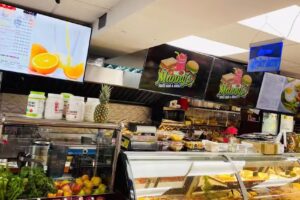
While its name centered on juice, Salvaje's menu was broader, positioning it as a competitor in the crowded market of healthy smoothies and quick bites. The core of their business revolved around freshly prepared beverages. Customers could find a variety of options, from potent wellness shots designed to provide a quick boost of nutrients, like ginger and turmeric, to elaborate fresh fruit juices. The menu likely catered to different health goals, featuring green juices packed with leafy vegetables for detoxification and sweeter concoctions with fruits like mango, pineapple, and passion fruit for a tropical flavor profile.
A significant draw for many patrons were the acai bowls. These were frequently mentioned as a highlight, praised for being both delicious and aesthetically pleasing. A well-made acai bowl from a dedicated juice bar is expected to have a thick, properly frozen acai base, and Salvaje seemed to deliver on this front. Toppings were generous, typically including granola, fresh bananas, strawberries, and a drizzle of honey, creating a complete and satisfying meal. Beyond acai, they also offered other bowl bases, such as pitaya (dragon fruit), which provided a vibrant pink alternative for customers.
Interestingly, the menu extended to include savory items, most notably empanadas. This choice set Salvaje apart from many typical smoothie shop concepts that stick strictly to sweet or plant-based fare. Offering baked empanadas provided a convenient lunch option and appealed to a broader customer base that might be looking for more than a light drink. This diversification, however, could also be seen as a lack of focus, trying to be too many things at once—a cafe, a lunch spot, and a specialty juice bar.
Quality and Ingredient Focus
Positive feedback for Salvaje Juice Bar consistently centered on the quality and freshness of its ingredients. In the world of organic juice and whole foods, this is a critical factor. Patrons noted that the fruits and vegetables used in their drinks and bowls tasted fresh, which is the cornerstone of a premium product. The vibrant colors of their pitaya bowls and the rich taste of their green juices pointed to a commitment to using high-quality produce. This focus was their primary selling point and the reason many customers were willing to return. The name 'Salvaje,' meaning 'wild' in Spanish, likely was meant to evoke a sense of natural, untamed, and pure ingredients, a branding concept that aligns well with the health food market.
The Customer Experience: A Mixed Bag
Despite the high-quality products, the overall customer experience at Salvaje Juice Bar was inconsistent, revealing several operational challenges. These issues provide insight into why the business may have ultimately struggled to maintain its footing.
Service Speed and Efficiency
A recurring theme in customer feedback was the slow service. While freshly made-to-order items at a juice bar naturally take time, the wait times at Salvaje were often described as excessively long, even during non-peak hours. This can be a major deterrent for a business model that relies on quick, grab-and-go traffic. Customers looking for a fast detox cleanse juice or a quick smoothie on their way to work were often met with frustrating delays. This suggests potential issues with staffing levels, workflow efficiency, or kitchen layout, which hampered their ability to serve customers promptly.
Pricing and Value Proposition
Price was another point of contention. The cost of their bowls, smoothies, and cold-pressed juice was considered high by a number of visitors. While premium ingredients command premium prices, customers need to feel they are receiving commensurate value. When high prices are combined with slow service, the value proposition weakens considerably. For the cost, patrons expected not only a superior product but also a smooth and pleasant service experience. When the latter was not delivered, the cost felt less justified, making it difficult to compete with other local options that might offer a similar product at a better price point or with more efficient service.
The Inevitable Outcome: Permanent Closure
The most significant "con" for any potential customer is the fact that Salvaje Juice Bar is permanently closed. The business is no longer a viable option for those seeking healthy refreshments in the area. The reasons for its closure are not publicly detailed, but the operational inconsistencies mentioned in customer reviews—particularly slow service and high prices—are common challenges that can lead to the downfall of small food and beverage establishments. The competitive nature of Miami's food scene means that businesses must excel in multiple areas, including product quality, customer service, and operational efficiency, to survive long-term.
For former patrons and those who may have been interested in visiting, the closure leaves a void. Salvaje provided a menu that combined popular health trends like acai bowls and fresh juice with unique offerings like empanadas. Its commitment to fresh ingredients was its greatest strength, but this was unfortunately overshadowed by fundamental business challenges. The story of Salvaje Juice Bar serves as a reminder of the difficulties of running a small business in a demanding market, where even a great product is not always enough to guarantee success.