Salina Nutrition
BackFormerly located at 117 W Ferry St, Salina Nutrition was a local establishment that, for a time, served as a community hub for health-conscious individuals. Though it is now permanently closed, its brief presence left a positive mark on its patrons, who consistently praised its welcoming environment and product offerings. An analysis of its operations and customer feedback reveals a small business that excelled in customer service but ultimately ceased operations, a common challenge for specialized retail shops.
Based on customer experiences and visual evidence from its time in operation, Salina Nutrition functioned as a nutrition club, a popular model for distributing health and wellness products directly to consumers. These establishments typically focus on creating a supportive, social atmosphere where customers can enjoy the products on-site. The core of the menu revolved around two main categories: healthy shakes and vibrant, energizing teas, often referred to as energy teas. This model is designed not just as a retail space, but as a destination for daily nutritional support and encouragement.
The Positive Aspects: What Customers Liked
Overwhelmingly, feedback for Salina Nutrition centered on its friendly atmosphere and the quality of its staff. Patrons described the workers as "very friendly people" who contributed to a "great atmosphere." For a small, local business, this personal touch is a significant advantage. It transforms a simple transaction into a positive social interaction, making customers feel valued and encouraging repeat business. This personalized service is a cornerstone of the juice shop and wellness cafe industry, and by all accounts, Salina Nutrition delivered on this promise. One first-time visitor noted they would be "coming back," a testament to the strong initial impression the business made.
The product line was another area of strength. A key highlight was the extensive variety, with one customer mentioning they have "a lot of different flavors." This is crucial for a business centered on shakes and teas, as it caters to a wide range of palates and keeps the menu interesting for regular visitors. The products themselves were described as "really good," indicating that the quality matched the variety. The offerings likely included a wide array of meal replacement shakes designed to provide a balanced mix of protein, vitamins, and minerals in a convenient, drinkable format. These shakes, often available in decadent flavors like cheesecake or brownie batter, appeal to those looking for a healthier way to satisfy sweet cravings.
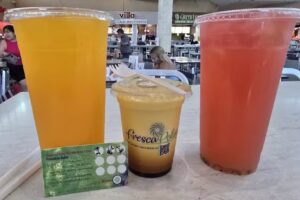
Alongside the shakes, the shop specialized in what are commonly known as "loaded teas." These are complex beverages that combine green or black tea concentrates with various supplements, such as B vitamins, ginseng, and guarana, for a significant energy boost. They are often brightly colored and given catchy names, serving as a popular alternative to traditional coffee or energy drinks. The wide flavor variety mentioned by customers almost certainly applied to both the shakes and these popular teas.
Furthermore, the business was recognized for its affordability. One review highlighted the "Great price in their area of sales," suggesting that Salina Nutrition provided good value for money. In a market where specialized health foods can be expensive, offering competitive pricing would have been a significant draw for the local community, making a healthy lifestyle more accessible.
Areas for Improvement and Operational Realities
Despite the positive reception, there were areas where the business model had limitations. The most practical piece of negative feedback from a customer was a desire for a delivery service. The comment, "Just wish they delivered!" points to a missed opportunity for convenience. In an era where food and beverage delivery has become standard, the lack of this service could have limited their customer base to those who could physically visit the store. For a small operation, implementing delivery can be logistically and financially challenging, but its absence is a notable drawback in the modern marketplace.
The business model itself, often associated with multi-level marketing companies like Herbalife, presents its own set of challenges. While these nutrition club storefronts provide a valuable sense of community, their long-term viability can be difficult. Operators are often independent distributors responsible for all overheads, including rent, utilities, and inventory, while relying on a business structure that heavily emphasizes recruitment alongside direct sales. This can create significant pressure on the owner-operator.
A Closer Look at the Menu
While a specific menu for Salina Nutrition is not available, shops of this type follow a consistent pattern. Customers could expect a menu board full of creative options:
- Protein Shakes: The foundation of the menu. These would have been low-calorie, high-protein drinks intended as either a post-workout recovery option or a full meal replacement. Flavors are typically indulgent, such as Cookies & Cream, Strawberry Cheesecake, or Chocolate Peanut Butter, but with a fraction of the sugar and fat of their dessert counterparts.
- Energy Teas: These drinks serve as a low-calorie, sugar-free alternative to sugary sodas and energy drinks. They are designed to boost metabolism and provide focus and energy through a blend of tea and herbal stimulants. The "different flavors" would have been achieved through various sugar-free syrups and flavor powders.
- Optional Add-ins: Customers could likely customize their orders with boosters. Common additions include extra protein, fiber, probiotics for digestive health, or collagen for skin, hair, and nails. Aloe concentrate is another popular addition, often used for its soothing digestive properties.
The Inevitable Permanently Closed
The most significant "con" for any potential customer is the fact that Salina Nutrition is permanently closed. While it was clearly a well-loved spot that garnered perfect 5-star ratings from its reviewers, it was unable to sustain operations. The reasons for its closure are not publicly detailed, but small businesses, particularly in niche markets, face a continuous struggle with profitability, market competition, and operational burnout. The closure leaves a void for its former regulars who relied on it for their daily dose of nutrition and positive social interaction.
Salina Nutrition appears to have been a classic example of a community-focused small business that did many things right. It built a loyal, albeit small, following through excellent customer service, a welcoming atmosphere, and a varied menu of appealing healthy shakes and teas at a fair price. However, its operational limitations, such as the lack of delivery, and the inherent challenges of its business model likely contributed to its eventual closure. For those in the Salina area who had the chance to visit, it was a valued local smoothie bar; for others, it stands as a case study of a promising venture that has since ceased to be.