Rusty’s Juice Bar
BackLocated at 127 Zion Street in Hartford, Connecticut, the space that once housed Rusty's Juice Bar now stands as a quiet reminder of a business that has since ceased operations. While specific customer testimonials and a detailed public history of the establishment are scarce, its name and classification as a juice bar provide a clear indication of its intended purpose: to offer fresh, health-oriented beverages and foods to the local community. The story of Rusty's, as pieced together from its existence and eventual closure, is a dual narrative about the positive impact of wellness-focused eateries and the significant hurdles they face in a competitive market.
The establishment's permanent closure is the most definitive piece of information available, and it serves as a critical point of analysis. For any potential customer or local resident, the fact that Rusty's is no longer in business is a significant drawback. It points to a business that, for any number of reasons, was unable to achieve long-term sustainability. This could be attributed to various factors that commonly affect small restaurants and niche eateries, such as intense competition, high overhead costs associated with using fresh produce, challenges in marketing to a broader audience, or shifts in local consumer preferences. The lack of a substantial digital footprint—few, if any, online reviews or social media mentions—suggests that Rusty's may have been a hyper-local spot that relied heavily on foot traffic and word-of-mouth, which can be insufficient for growth in the modern marketplace.
The Potential Appeal of Rusty's Juice Bar
Despite its closure, it is important to consider what a place like Rusty's Juice Bar would have represented to its patrons. The primary appeal of such an establishment lies in its commitment to health and wellness, providing a valuable alternative to traditional fast food. A dedicated juice bar is a haven for those seeking nutritious and convenient options.
One can reasonably infer the core of its menu would have revolved around a variety of fresh juices. These are not the processed, sugary drinks found in supermarket aisles, but vibrant concoctions made from raw fruits and vegetables. Establishments like this typically offer a menu of signature blends designed for specific purposes—some for an energy boost, others for detoxification, and some for immune support. The process of creating these healthy drinks often involves specialized equipment like cold-press or centrifugal juicers, which extract maximum nutrients from the produce. Customers at a place like Rusty's would have likely appreciated the transparency of seeing their drinks made to order with natural ingredients.
Exploring a Hypothetical Menu
Beyond basic juices, the offerings at a neighborhood juice bar often expand to cater to a wider range of tastes and nutritional needs. It is highly probable that Rusty's also served a selection of healthy fruit smoothies. These differ from juices in that they blend the entire fruit or vegetable, retaining the dietary fiber which is essential for digestive health and providing a more filling, meal-like option. A typical smoothie menu might have included:
- Green Smoothies: Blends of spinach or kale with fruits like banana, mango, and pineapple to mask the bitterness of the greens while delivering a potent dose of vitamins and minerals.
- Protein Smoothies: Often incorporating protein powder (whey, soy, or plant-based), yogurt, or nut butters, these are popular with fitness enthusiasts for post-workout recovery.
- Fruit-Forward Smoothies: Classic combinations of berries, citrus, and tropical fruits, offering a refreshing and antioxidant-rich treat.
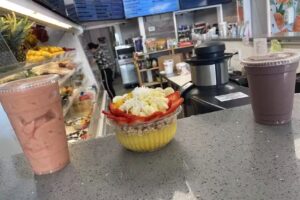
Additionally, many modern juice bars supplement their liquid offerings with light, healthy fare. It would not be surprising if Rusty's menu also featured items like wellness shots—concentrated 2-ounce servings of ingredients like ginger, turmeric, or wheatgrass, known for their anti-inflammatory and energizing properties. Acai and pitaya bowls, which are thick smoothie bases topped with granola, fresh fruit, and other superfoods, have also become a staple in the industry and could have been a part of the experience.
The Challenges and Downside
The primary and most evident negative aspect of Rusty's Juice Bar is its permanent closure. This reality speaks volumes about the difficulties inherent in the food service industry, particularly for small, specialized businesses. Operating a successful juice bar requires navigating a complex set of challenges. The reliance on fresh, high-quality produce means dealing with volatile supply chains and pricing. The cost of organic fruits and vegetables can be substantial, squeezing profit margins. Furthermore, the labor-intensive process of washing, chopping, and juicing produce requires well-trained staff and efficient workflows.
Another significant hurdle is market competition. While Rusty's may have served the immediate Zion Street and 'Behind the Rocks' neighborhood, the broader Hartford area has other established health food spots and juice bars. Larger chains and even local coffee shops have increasingly added smoothies and healthy options to their menus, creating a crowded marketplace. For a small, independent establishment, standing out requires not only a superior product but also savvy marketing, a strong brand identity, and a welcoming atmosphere—elements that require constant investment and effort.
The dine-in nature of the business, while positive for creating a community feel, also adds to the overhead. Rent, utilities, and maintenance for a physical storefront are significant fixed costs. Without a steady and consistent flow of customers, these expenses can quickly become unsustainable. The ultimate closure of Rusty's suggests that, despite the potential benefits it offered, the business model was not resilient enough to overcome these formidable economic pressures.
Final Reflections
Rusty's Juice Bar represents a common story in local commerce: a business with a positive mission that ultimately could not withstand the economic realities of the industry. For the time it was open, it likely provided a valuable service, offering natural ingredients and healthy alternatives in a friendly, local setting. It would have been a place where residents could invest in their well-being, grab a nutritious snack, or simply enjoy a refreshing drink. The concept of a neighborhood juice bar is inherently positive, promoting better dietary choices and supporting a healthier lifestyle. However, the business's inability to continue operations serves as a cautionary tale. It highlights the immense difficulty of sustaining a small food business and the void that is left when such a community-oriented establishment closes its doors.