Robeks Fresh Juices & Smoothies
BackThe former Robeks Fresh Juices & Smoothies at 883 Post Road in Darien, Connecticut, is a case study in the challenges faced by franchise locations, even those belonging to a popular national chain. While the establishment is now permanently closed, its history, as reflected through customer feedback and its general brand identity, provides valuable insights. This location aimed to be a local hub for healthy and convenient nutrition, positioning itself as a premier juice bar for residents. However, the customer experience appears to have been markedly inconsistent, ultimately culminating in its closure.
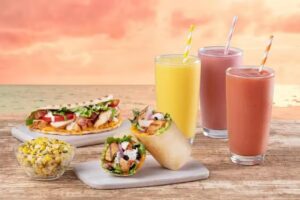
As part of the Robeks brand, the Darien store's core offering revolved around a menu designed for health-conscious consumers. The central attraction was its wide selection of healthy smoothies, blended to order with fruits, vegetables, and various nutritional boosts. Customers could choose from classic fruit combinations, performance-based smoothies packed with protein, and superfood options featuring ingredients like kale, spinach, and spirulina. The concept was to provide a quick, delicious, and nutrient-dense meal replacement or snack. Beyond smoothies, the menu featured a vibrant selection of fresh juices, squeezed from raw fruits and vegetables. These drinks appealed to those seeking a pure, unadulterated source of vitamins and minerals, a key selling point for any modern juice establishment.
Menu Highlights and Health Focus
Expanding on its health-centric theme, this Robeks location likely offered the brand's popular acai bowls. These bowls typically feature a thick, frozen acai berry blend as a base, topped with granola, fresh fruit like bananas and strawberries, and other additions such as coconut flakes or honey. They served as a substantial and trendy breakfast or lunch option, tapping into a major health food trend. Complementing the main items were wellness shots – concentrated 2-ounce servings of ingredients like wheatgrass, ginger, and turmeric, designed to provide a quick and potent health boost. For the fitness community, a critical offering would have been the customizable protein shakes. These were formulated to aid in muscle recovery and performance, allowing customers to add whey or plant-based protein to their favorite smoothie blends. The emphasis was always on natural ingredients, with the brand priding itself on using real fruit and avoiding artificial flavors, colors, and preservatives. This commitment to quality ingredients was, on paper, its greatest strength.
The Customer Service Conundrum
Despite a product line that aligned with modern wellness trends, the Darien location's execution seems to have been its downfall. The available customer feedback, though limited, paints a picture of a business that struggled with fundamental operational aspects, most notably customer service and pricing policies. One particularly detailed account from a long-time, frequent customer highlights a critical failure. The patron, who regularly visited with colleagues, was suddenly charged a higher price for their usual smoothie specifically because they asked for an ingredient—bananas, to which they were allergic—to be removed. This counterintuitive policy was not only illogical from a customer's perspective but was also delivered by a staff member described as rude and unhelpful.
This incident is more than just a single bad experience; it reveals potential systemic issues within this specific franchise. For a business that relies on repeat customers, such as a local juice bar, alienating a loyal patron over a minor customization is a significant misstep. The policy of charging more for less product suggests a disconnect between management and customer satisfaction. Furthermore, the employee's inability to handle the situation diplomatically indicates a potential lack of training in conflict resolution and customer retention. When loyal customers, who provide a stable revenue stream and positive word-of-mouth, decide to walk out and vow not to return, it signals a deep-seated problem that can quickly erode a business's reputation and viability.
A Tale of Two Experiences
In stark contrast, another piece of feedback expresses simple, unadulterated joy with the product. A reviewer praised the "yummy" juice and "very nice" smoothie, even finding enjoyment in the "good noise" of the blender. This positive sentiment underscores that the core product—the smoothies and juices themselves—had the potential to be very well-received. When made correctly, the drinks were evidently delicious and satisfying. This dichotomy suggests that the issue was not with the Robeks concept or its recipes, but with the management and operational consistency of the Darien location. The potential for success was there, but it was undermined by poor execution on the human side of the business.
Ultimately, the story of this Robeks location ended with its permanent closure, a fact confirmed by another former patron. With a low overall rating based on the few available reviews, it's plausible that the negative experiences outweighed the positive ones. In a competitive market, especially in a community like Darien, businesses that fail to provide consistent, positive customer service struggle to survive, regardless of the quality of their product. Consumers today have many choices for healthy smoothies and fresh juices, and they will gravitate toward establishments that make them feel valued. The legacy of the Robeks at 883 Post Road serves as a reminder that a strong brand name and a good product are not enough; success is ultimately determined by the day-to-day interactions and the perceived fairness of a business's practices.