
Raw Juice Cafe
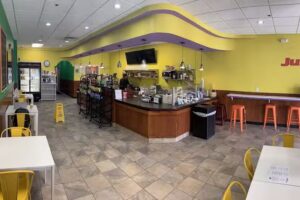
BackRaw Juice Cafe, a formerly operational establishment located at 64-17 Central Ave in Ridgewood, New York, presented itself as a source for healthy, fresh beverages and foods. Although it is now permanently closed, an analysis of its business model and the limited customer feedback available provides insight into what it offered the community and the potential reasons it ceased operations. For those who once frequented it or are discovering it posthumously, its story is one of a health-conscious venture that, despite positive indicators, ultimately did not endure in the competitive local market.
The primary appeal of a place named Raw Juice Cafe lies in its commitment to unprocessed, natural ingredients. The single available online review strongly supports this, with a customer from several years ago highlighting that they "Love it, very clean and fresh veggies and fruit." This comment, while brief, speaks volumes about the cafe's core philosophy. For any juice bar, the quality of its raw materials is paramount. The emphasis on "very clean" suggests high standards of hygiene and preparation, a critical factor for customers consuming uncooked produce. The mention of "fresh" ingredients indicates that the cafe likely avoided concentrates, artificial sweeteners, and preservatives, opting instead for whole fruits and vegetables. This dedication to freshness would have been the cornerstone of its menu, promising customers nutrient-dense and flavorful products.
The Potential Offerings of a Health-Forward Cafe
While a detailed menu for Raw Juice Cafe is not readily available, its name and category allow for an educated inference of its offerings. Establishments of this type are central to the wellness community, providing convenient and nutritious options for a variety of dietary needs. The menu would have likely been built around a few key categories, each catering to different health goals and taste preferences.
Core Beverage Selections
The foundation of the menu would have undoubtedly been its juices and smoothies. These items are the main draw for anyone seeking a quick and healthy meal replacement or a nutritional boost.
- Fresh-Pressed Juices: The cafe probably offered a selection of made-to-order juices. Unlike bottled juices from a supermarket, fresh-pressed juices are extracted from whole fruits and vegetables right before consumption, maximizing their vitamin and enzyme content. Popular offerings may have included detoxifying green juices with kale, spinach, celery, and apple, or vibrant red juices made from beet, carrot, and ginger.
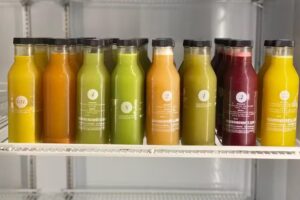
- Cold-Pressed Juice: A more premium offering could have been cold-pressed juice. This method uses a hydraulic press to extract juice without generating heat, which helps preserve a higher concentration of nutrients. Many establishments sell these in pre-bottled form for customers looking to purchase a multi-day juice cleanse.
- Healthy Smoothies: Smoothies offer a more substantial option, as they include the entire fruit or vegetable, retaining all the fiber. Raw Juice Cafe likely had a menu of fruit smoothies, perhaps with options to add protein powder, nut butters, chia seeds, or other supplements. Green smoothies, blending leafy greens with fruits like banana and mango, would have also been a staple for those looking for a nutrient-packed but filling beverage.
Complementary Food and Wellness Items
To supplement its beverage menu, many modern juice bars expand into light, healthy food options. It is plausible that Raw Juice Cafe did the same to attract a broader clientele.
- Acai Bowls: These have become a signature item for health food cafes. A thick smoothie base made from acai berries is topped with granola, fresh fruit, seeds, and honey, creating a visually appealing and satisfying meal.
- Wellness Shots: Concentrated 2-ounce servings of potent ingredients like ginger, turmeric, or wheatgrass are popular for their purported anti-inflammatory and immune-boosting properties. These wellness shots are a quick and easy upsell item that aligns perfectly with the cafe's mission.
- Organic Options: Given the focus on clean and raw ingredients, it is highly probable that the cafe emphasized organic juice and produce where possible, appealing to customers concerned about pesticides and seeking the highest quality ingredients.
The Challenges and Downside
Despite the positive attributes suggested by its concept and the single glowing review, the most significant drawback of Raw Juice Cafe is its permanent closure. For any potential customer, this is the definitive piece of information. The reasons for its closure are not public, but several factors evident from its digital footprint point to potential challenges that are common for small, specialized businesses.
A Minimal Online Presence
In today's market, a business's online visibility is crucial for survival and growth. Raw Juice Cafe had a remarkably faint digital footprint. The existence of only one review across major platforms is a significant red flag. It suggests that the business either did not operate for very long or failed to cultivate an online community. A steady stream of reviews, social media engagement, and an updated website are essential for attracting new customers who overwhelmingly rely on search engines and review apps to discover local spots. Without this engagement, a business struggles to build brand recognition and reach beyond its immediate physical vicinity.
Operational Limitations
The provided information also indicates that the cafe did not offer delivery. In a dense urban area like Ridgewood, convenience is key. The lack of a delivery option would have severely limited its customer base, especially as food delivery apps have become an integral part of the dining landscape. Competing businesses that offered delivery would have had a distinct advantage in reaching customers who were unable or unwilling to visit in person.
A Memory of a Healthy Option
Raw Juice Cafe appears to have been a venture with a strong, positive mission focused on providing clean, fresh, and healthy products to the Ridgewood community. The lone review paints a picture of a high-quality juice and smoothie bar that prioritized the integrity of its ingredients. However, its story is also a cautionary tale. The ultimate reality of its permanent closure, combined with a near-nonexistent online presence and a lack of modern conveniences like delivery, suggests it faced insurmountable business challenges. While it may have been a cherished spot for a small number of locals, it was unable to build the broad, sustainable customer base needed to thrive. Today, it exists only as a closed listing, a reminder of a healthy promise that, for whatever reason, could not be fulfilled long-term.