Queen City Juicery + Wellness Bar – Park Road
BackA notable player in Charlotte's wellness landscape, Queen City Juicery + Wellness Bar at Park Road Shopping Center, has permanently closed its doors. For years, it was a destination for those seeking nutritious and flavorful options, carving out a niche in a competitive market. This retrospective look examines the business based on its offerings and a wide spectrum of customer experiences, painting a picture of a juice bar that elicited strong opinions, both positive and negative, during its operational years.
The establishment positioned itself as more than just a place for a quick drink; it was a fast-casual eatery with a mission. The menu was a testament to this, offering a variety of juices, smoothie bowls, and even light meals. This approach broadened its appeal, attracting not only juice aficionados but also patrons looking for a complete, healthy lunch. It was a place where one could grab a complex green juice or sit down for a more substantial meal, a versatility that many competitors lacked.
A Menu of Fresh Flavors and Food Options
At its best, Queen City Juicery was celebrated for its vibrant, tasty, and seemingly high-quality products. Patrons frequently praised the deliciousness of the offerings, with some regulars claiming it was the best they'd had anywhere in the city. A standout favorite mentioned in reviews was the "Sweet Greens with Ginger," a blend that hit the perfect balance of healthful ingredients and palatable flavor. The focus on local and fresh ingredients was a significant selling point, resonating with a customer base increasingly conscious of sourcing and quality. The promise of juices made fresh daily was a cornerstone of their brand identity.
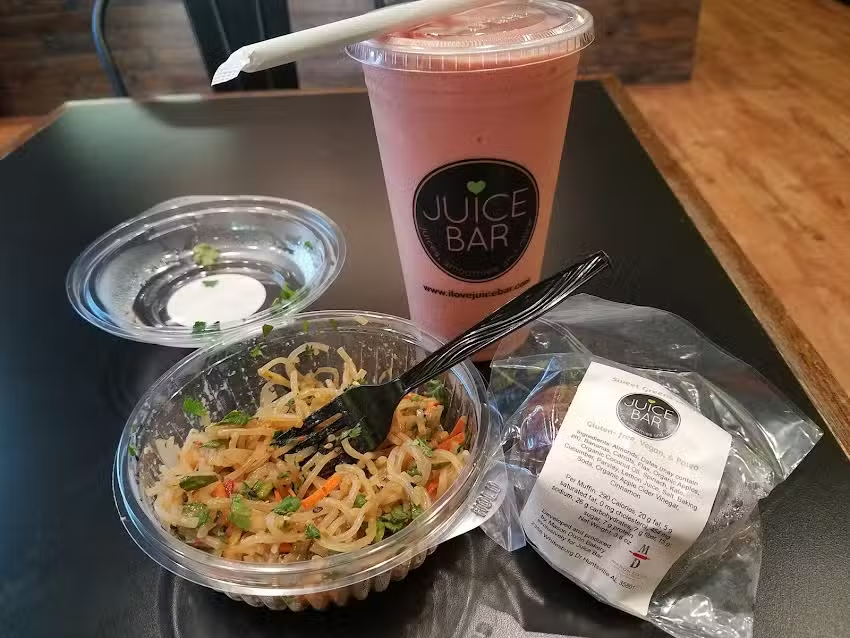
What truly set this wellness bar apart from many others was its inclusion of a food menu. While many establishments focus solely on beverages, Queen City offered items like Spring Rolls and Pad Thai noodles. This decision transformed it from a simple grab-and-go spot into a legitimate mealtime option. One customer noted their husband's particular fondness for the Spring Rolls, highlighting how the food menu could satisfy different tastes and appetites within the same group. This diversity was a strategic advantage, making it an easy choice for pairs or families where not everyone was in the mood for a liquid meal. Families with children found success here, with items like the Cocoa Banana smoothie winning over younger, sometimes pickier, palates.
The Customer Experience: Vibe and Service
The atmosphere of the juicery was often described as "laid back" and "original." Tucked away within the larger Park Road Shopping Center, its recessed location gave it a cozy, boutique feel. This inviting ambiance, combined with positive remarks about the staff and service, contributed to a loyal following. Customers felt they could stop in to "refuel naturally," as one patron put it, finding a helpful team ready to whip up a concoction to suit their needs. One memorable account detailed a customer suffering from a headache during a heatwave who received a custom green blend that left them feeling refreshed and reset. This level of personalized service and belief in the restorative power of their products was a core part of their appeal.
Points of Contention: Price and Preparation Methods
Despite its many fans, Queen City Juicery was not without its critics, and two main issues appeared consistently in customer feedback: the price point and the perceived freshness of the ingredients.
The cost of the items was a frequently cited drawback. With a price level rated as moderate, many found it to be "a little pricey" or "very high." While some customers justified the expense by pointing to the use of fresh and organic juice ingredients, others felt it was too expensive, even when considering a smoothie as a meal replacement. This pricing strategy may have alienated a segment of potential customers and made it a less frequent indulgence for others, creating a barrier to everyday accessibility.
More critically, there were conflicting reports about the preparation process. This inconsistency in customer perception was a significant issue. On one hand, some patrons swore by the freshness, stating that drinks were whipped up right in front of them from whole ingredients. On the other hand, at least one detailed review noted that ingredients appeared to be "pre-made," either blended or processed beforehand and stored in containers near the counter. This customer did not witness a fresh juice being made from scratch during their visit, leading to skepticism about the "made fresh daily" claim. This discrepancy is crucial; for a premium-priced cold-pressed juice and smoothie business, the guarantee of on-the-spot freshness is paramount. The perception of using pre-processed bases, whether accurate or not, could undermine the brand's core value proposition and disappoint customers who were paying a premium specifically for that guarantee. When compared directly with local competitors like Green Brothers, at least one customer found Queen City's product to be good, but ultimately inferior.
Legacy of a Local Wellness Spot
Ultimately, the story of Queen City Juicery + Wellness Bar is one of a business that, for a time, successfully catered to the healthy eating trend in Charlotte. It built a reputation on flavorful products, a menu that went beyond beverages, and a welcoming atmosphere. It offered a valuable service for those seeking a juice cleanse, a detox juice, or simply a nutritious and tasty meal. However, it also faced challenges related to pricing and maintaining a consistent perception of freshness, which are critical in the premium health food market. The permanent closure of this and other locations suggests these challenges may have been part of a larger business struggle. For its former patrons, it is remembered as a place of both delightful flavors and notable shortcomings—a snapshot of the demanding nature of running a successful modern juicery.