
Pressed Juicery
BackThis particular Pressed Juicery location at 337 Park Avenue South, now permanently closed, was a microcosm of the larger brand's identity: a purveyor of convenient, health-conscious products that garnered a loyal following, yet was not without its operational and physical limitations. For years, it served as a quick stop for those seeking nutritious options in a fast-paced city, offering a menu centered around the wellness trend that has captivated consumers nationwide. An analysis of its offerings, customer experiences, and physical setup provides a comprehensive picture of what this juice bar represented to its patrons.
The Core Offerings: More Than Just Juice
Pressed Juicery built its reputation on cold-pressed juice, a method that uses a hydraulic press to extract juice from fruits and vegetables without generating heat. This process is believed to preserve more nutrients and enzymes than traditional centrifugal juicing. Customer feedback for this location consistently highlighted the quality of these beverages. Patrons described the juices as "fantastic and fresh," "super refreshing," and "energizing." Specific blends earned dedicated fans, such as the "Greens 3," which was praised for its balanced flavor profile—not overly sweet, with a pleasant kick of ginger. Another popular choice was a pineapple and ginger blend, noted for being "excellent." This positive reception speaks to the brand's success in formulating appealing flavors that make nutrient-dense ingredients palatable to a broad audience.
However, the menu extended well beyond bottled juices. The location was also known for other health-focused items like wellness shots, acai bowls, and, most notably, its plant-based soft serve, branded as "Freeze." This dairy-free frozen dessert was a significant draw, with customers enthusiastically reviewing seasonal flavors like pumpkin soft serve. It was described as having a distinct but not overpowering flavor, served in generous portions with a variety of toppings, including chocolate chips, cookies, and granola butter. The vanilla flavor was also well-received, though some noted its taste was distinct from traditional dairy-based yogurts—a characteristic of its plant-based recipe. These offerings allowed the store to compete not just as a juice bar, but also as a destination for healthy treats and snacks.
Customer Service: A Consistent Highlight
Across numerous reviews spanning several years, the staff at the Park Avenue South location received consistent and high praise. Words like "super friendly," "helpful," and "amazing" were frequently used to describe the service. In a competitive market like New York City, where impersonal transactions can be the norm, this focus on positive customer interaction was a significant asset. Friendly staff can transform a simple grab-and-go purchase into a pleasant experience, encouraging repeat business and fostering a sense of community around the brand. This dedication to service was a clear strength of this particular outpost.
Challenges and Criticisms
Despite its popular products and excellent service, the establishment faced several notable drawbacks that impacted the overall customer experience. These issues ranged from physical constraints to operational inconsistencies, painting a more complex picture of the business.
Physical and Accessibility Constraints
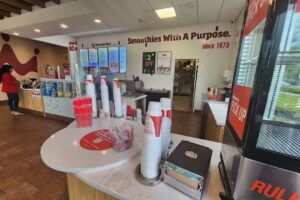
The most frequently cited issue was the physical space itself. The interior was described as "very small," with a complete lack of seating. This design choice firmly positioned the store as a takeout-only venue, preventing it from being a place where customers could sit and enjoy their purchases. While this model prioritizes efficiency, it alienates customers looking for a place to rest or socialize. Furthermore, and more critically, the entrance was not wheelchair accessible. This represents a significant failure in inclusivity, creating a barrier that prevented a segment of the population from accessing the store entirely. In a modern urban environment, lack of accessibility is a serious shortcoming that cannot be overlooked.
Operational Inconsistencies
While the products were generally praised, there were instances of operational friction. One customer reported that two of the most popular soft-serve flavors were sold out by 2 p.m. on a weekday. This suggests potential issues with inventory management or demand forecasting. Running out of key products early in the day can lead to customer disappointment and lost sales. Another point of contention for some was the nature of the juices themselves. All drinks were pre-bottled and stored in refrigerators for quick sale. This is a standard practice for the cold-pressed juice industry to ensure consistency and speed. However, it means that customers seeking customized, made-to-order fresh juice or healthy smoothies would need to go elsewhere. This model trades personalization for convenience, a trade-off that doesn't suit every consumer's preference.
The Broader Context of Health and Wellness Products
The store was also part of the larger conversation surrounding products like the juice cleanse. Pressed Juicery actively markets multi-day cleanse programs designed to "detox" and "reset" the body. While these programs are popular, their health benefits are a subject of debate among health professionals. Some critics point to the high sugar content and lack of fiber in juice-only diets. While customers could purchase individual juices for general wellness, the promotion of cleanses is a core part of the brand's identity and a factor for potential customers to consider based on their own health goals and beliefs.
Final Verdict on a Closed Chapter
The permanent closure of the Pressed Juicery at 337 Park Ave S marks the end of a specific chapter for this national chain. For its time, it was a reliable destination for quality cold-pressed juice, innovative plant-based soft serve, and other healthy snacks. Its greatest strengths were undoubtedly its well-formulated products and the consistently friendly and helpful staff who served them. It successfully carved out a niche by offering convenient, plant-forward options that appealed to health-conscious New Yorkers.
However, its legacy is also defined by its significant limitations. The tiny, seating-deprived space and, most importantly, its lack of wheelchair accessibility were major functional and ethical flaws. Occasional inventory issues and a business model that prioritized pre-packaged convenience over customization further defined the customer experience. Ultimately, this location was a reflection of both the appeal and the compromises inherent in the fast-casual wellness industry: providing high-quality, healthy products on the go, but sometimes at the cost of comfort, accessibility, and personalization.