Pressed Juice
BackThe business operating under the name "Pressed Juice" at 1900 E Davis Dr, Dinuba, CA, presents a significant disconnect between its consumer-friendly branding and the reality of its function. While the name evokes images of a vibrant retail juice bar offering quick, healthy refreshments, this specific location is an industrial facility dedicated to production and/or distribution. It is not a storefront where customers can purchase a single bottle of fresh juice. Instead, it serves as a critical node in the supply chain for a larger juice brand, interacting primarily with freight and logistics professionals. Understanding this distinction is the first and most crucial step for anyone planning to engage with this establishment, particularly for truck drivers scheduled for pickups or deliveries.
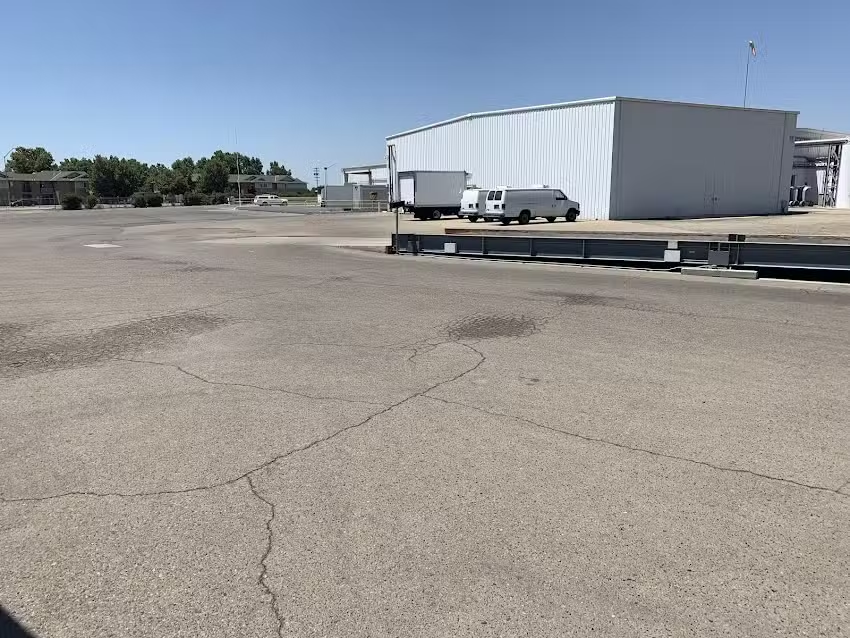
The physical appearance of the facility, as seen in photographs, immediately confirms its industrial nature. It is a large, warehouse-style building with loading docks, characteristic of a distribution center or manufacturing plant. There is no public entrance, customer seating, or retail counter. The primary activity revolves around the movement of large quantities of product, specifically loaded and unloaded by the pallet. Therefore, any online search directing a consumer looking for a smoothie shop or a place to buy a detox juice cleanse to this address would be misleading. This location is exclusively for commercial and logistical operations.
Operational Efficiency and Driver Experiences
Based on a consistent pattern of feedback from transport professionals, the primary point of contention at this facility is its operational inefficiency, particularly concerning wait times. Numerous drivers have documented exceptionally long delays, turning what should be routine pickups or drop-offs into day-long ordeals. Reports indicate that it is common to wait for four, five, or even more than six hours, even when arriving on time for a scheduled appointment. This issue appears to be systemic rather than incidental, as multiple reviews across different months describe a similar frustrating experience.
Drivers have detailed a process where they check in for their scheduled time but are then left waiting for hours without communication or assignment to a loading dock. One individual noted arriving for a 1:00 PM appointment and not being assigned a door until after 4:30 PM for a relatively small load of just seven pallets. Another account describes checking in at 7:30 AM and still waiting without contact at 9:00 AM. This lack of adherence to scheduling suggests significant internal logistical challenges, such as the product not being ready for shipment at the appointed time or a shortage of staff to manage the loading and unloading process effectively. The feedback frequently uses terms like "lazy" to describe the pace of work, reflecting the deep frustration felt by drivers whose time and schedules are directly impacted.
The Impact of Delays in the Trucking Industry
For those outside the logistics sector, a long wait might seem like a simple inconvenience. However, for a truck driver, these delays have severe professional and financial repercussions. Drivers operate under strict Hours of Service (HOS) regulations mandated by the Department of Transportation, which limit their driving and on-duty time. A six-hour wait spent at a standstill is counted as on-duty time, which eats into the valuable hours they are legally allowed to drive. This can prevent them from reaching their next destination on time, causing a domino effect of missed appointments and potential fines or penalties from their clients.
Furthermore, many drivers are paid by the mile, not by the hour. When their truck is not moving, their income is directly affected. While some may receive detention pay after a certain number of hours, it often does not fully compensate for the lost earning potential. The consistent reports of long delays at the Pressed Juice facility in Dinuba make it a location that drivers and carriers may approach with caution, factoring in the high probability of a time-consuming and potentially costly visit.
Positive Aspects and Considerations
Despite the overwhelming criticism regarding logistics, it is important to view the facility in a broader context. The business is operational and plays a role in the distribution of cold-pressed juice, a popular product in the healthy beverage market. The existence of a large-scale production or distribution center signifies that the brand itself has a substantial market presence. The product being handled is likely a premium item, associated with wellness and quality ingredients, which is a positive attribute of the brand, if not this specific location's operations. The facility is also noted as being wheelchair accessible, a basic but necessary feature for a modern establishment.
However, for its primary users—truck drivers—the positives are difficult to identify from the available feedback. The core function of a distribution center is to move goods efficiently, and the experiences shared indicate a fundamental failure to meet this expectation. The advice for any driver scheduled to visit this location is to be prepared for the worst-case scenario. It would be wise to arrive with ample food, water, and other necessities, and to adjust expectations regarding the duration of the stop. Clear communication with dispatchers about the potential for significant delays is essential for managing the remainder of the route.
for Potential Partners
the Pressed Juice location at 1900 E Davis Dr, Dinuba, is not a consumer-facing juice shop but a key industrial facility within a larger supply chain. While it contributes to bringing healthy drinks to the market, its reputation among logistics professionals is marred by consistent and severe issues with wait times and scheduling. The feedback points to a significant operational bottleneck that causes multi-hour delays for loading and unloading trucks. For any carrier, dispatcher, or driver planning to work with this facility, it is critical to be aware of these widely reported challenges. Building in extra time and preparing for a lengthy wait should be standard procedure to mitigate the professional and financial impact of the operational inefficiencies described by numerous transport professionals.