Pressed
BackLocated on a historic street in Boston’s Beacon Hill, Pressed was a counter-service establishment that carved out a niche for itself among the city’s health-conscious population. Though now permanently closed, it left an impression on its patrons, garnering a reputation that was a mix of high praise for its concept and pointed criticism regarding its value. Its identity was firmly rooted in providing quick, clean, and modern food options, centering its menu around popular wellness items like cold-pressed juice and nutrient-dense meals.
The core appeal of Pressed was its unwavering commitment to healthy living. It wasn't just a place to eat; it was a destination for those actively pursuing a wellness-oriented lifestyle. The menu was a testament to this, featuring an extensive list of superfood smoothies, juices, and light bites designed for nutritional impact. For customers seeking a juice cleanse or simply a daily dose of vitamins, the refrigerators were stocked with a colorful array of bottled juices. The offerings extended to creative and satisfying food items, with reviews frequently mentioning a particularly delicious peanut butter cacao avocado toast, a modern twist on a cafe classic. The presence of healthy fruit bowls, likely similar to the ever-popular acai bowls, provided another option for a refreshing and energizing meal, praised by customers as a great way to sit, relax, and enjoy a wholesome treat.
A Haven for Plant-Based Diets
One of the most significant strengths of Pressed was its focus on vegan and vegetarian cuisine. In a city with countless dining options, finding a reliable spot with a diverse range of plant-based meals can still be a challenge. Pressed directly addressed this need, offering numerous grab-and-go items that catered specifically to this demographic. Patrons highlighted options like vegan sushi and a flavorful butternut squash dish, demonstrating that the menu was both accessible and thoughtful. This made Pressed a dependable stop for anyone looking for a quick and satisfying vegan lunch, removing the guesswork and effort often associated with finding suitable vegan food on the go.
The Double-Edged Sword of Convenience
The operational model of Pressed was built around speed and convenience. The majority of its food items were pre-made and stored in refrigerators for a quick grab-and-go experience. This was a significant advantage for customers with limited time—office workers, busy shoppers on Charles Street, or anyone in need of a healthy meal without the wait. You could walk in, select a full meal and a fresh juice bar quality drink, and be on your way in minutes. This efficiency was a cornerstone of its appeal.
However, this very model was also a source of criticism. The lack of made-to-order food meant that nothing was truly fresh in the sense of being prepared moments before consumption. For some diners, refrigerated meals, no matter how well-conceived, do not compare to a freshly made dish. This created a disconnect for those who associate high-quality health food with immediate preparation. While the ingredients were wholesome, the pre-packaged format could feel impersonal and less premium, a sentiment that clashed with the establishment's pricing.
The Sticking Point: Price Versus Value
Perhaps the most consistent and potent feedback about Pressed revolved around its prices. Multiple reviews described the offerings as “insanely expensive.” One former customer noted that a simple meal of a sandwich and a smoothie could cost around $25, a price point that many found difficult to justify. While its location in the affluent Beacon Hill neighborhood certainly influenced its pricing strategy, patrons felt there was a mismatch between the cost and the product's quality and format. The pre-made nature of the food, combined with the high prices, led some to question the overall value proposition.
Further complicating the issue of value was a noted lack of transparency. For a business catering to the health-conscious, the absence of nutritional information like calorie counts was a significant oversight. Consumers who are careful about what they eat often rely on this data to make informed choices. By not providing it, Pressed missed an opportunity to build trust and fully align with the ethos of its target audience, who expect clarity and information alongside their organic juice and healthy meals.
Atmosphere and Ambiance
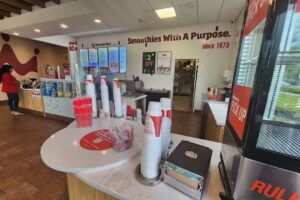
Beyond the food, Pressed offered a pleasant and modern environment. The interior was described as having a “nice urban decor,” creating a clean, bright, and welcoming space. It was seen as a comfortable spot to sit and relax, contrasting with the often-cramped and hurried nature of other fast-casual eateries. This inviting atmosphere enhanced the customer experience, making it more than just a transactional food stop. The aesthetic was clearly curated to match its brand of clean, contemporary wellness, providing a chic backdrop for its healthy offerings.
A Retrospective Look
In reflection, Pressed occupied a complicated space in Boston’s food scene. It successfully identified and served a growing demand for quick, healthy, and plant-based food. Its menu was innovative, and its atmosphere was stylish. For many, it was an “AMAZING spot” that provided delicious and convenient healthy smoothies and snacks. However, its business model came with inherent trade-offs. The reliance on pre-packaged meals and a pricing structure that many deemed excessive created a barrier for some potential customers. The story of Pressed serves as a case study in the delicate balance a business must strike between convenience, quality, and cost, especially when serving a discerning, health-focused clientele.