PomBerry Juicery
BackPomBerry Juicery, formerly located at 4125 Transit Rd in Williamsville, NY, is now permanently closed. This establishment operated as a cafe and food destination, positioning itself within the health and wellness sector of the local market. As a specialized juice shop, its primary focus would have been on providing nutrient-dense beverages and foods to a clientele interested in healthy lifestyle choices. The business model of a modern juicery like this one revolves around the appeal of fresh, raw, and minimally processed ingredients, which are often perceived as a convenient way to consume vitamins and minerals.
Potential Offerings and Customer Appeal
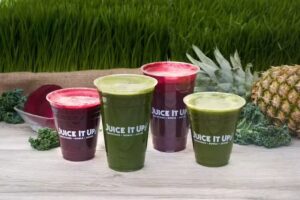
Based on its classification as a juicery and cafe, PomBerry Juicery would have likely curated a menu centered around health-conscious products. The cornerstone of such a business is its selection of fresh-pressed juices. Unlike conventional juices, these are typically made using a hydraulic press or a slow masticating juicer that extracts liquid from fruits and vegetables without using high heat, which is believed to preserve more nutrients and enzymes. Customers frequenting a juice bar often seek out specific combinations designed for different purposes, from an immunity-boosting drink packed with ginger and citrus to a green juice filled with kale, spinach, and cucumber for detoxification.
In addition to individual juices, it is common for a juice store to offer curated juice cleanse programs. These packages, typically lasting from one to several days, consist of a specific sequence of juices designed to replace solid meals, purportedly to detoxify the body and reset eating habits. This is a significant revenue stream and a major draw for customers with specific wellness goals.
Another staple of this type of establishment is a wide variety of healthy smoothies. These differ from juices in that they blend the entire fruit or vegetable, retaining the fiber. Smoothies offer a more substantial meal replacement and can be customized with various superfoods, protein powders, nut butters, and non-dairy milks. Popular options often include tropical fruit blends, berry-focused antioxidant smoothies, and green smoothies that mask the taste of leafy greens with the sweetness of fruit. Establishments like PomBerry would have aimed to provide a balance of delicious and functional options to appeal to a broad audience, from fitness enthusiasts looking for a post-workout protein shake to parents seeking a nutritious treat for their children.
Beyond Beverages: The Cafe Aspect
The cafe designation suggests that PomBerry Juicery likely offered more than just drinks. The modern juice bar experience often includes a menu of light, healthy food items. One of the most popular offerings in this category is the acai bowl or pitaya bowl. These consist of a thick smoothie base made from frozen acai berries or dragon fruit, served in a bowl and topped with an assortment of granola, fresh fruit, seeds, nuts, and drizzles like honey or almond butter. They are visually appealing, highly customizable, and marketed as a satisfying and nutrient-rich meal.
Other potential food items could have included pre-packaged salads, hummus with vegetables, energy bites made from dates and nuts, and possibly healthy baked goods. Offering dine-in service, as indicated by its business details, suggests PomBerry provided a space for customers to sit and enjoy their purchases, fostering a community atmosphere centered around wellness. The presence of a wheelchair-accessible entrance indicates an effort to be inclusive and accessible to all members of the community.
Challenges and Potential Downsides
Despite the appeal of healthy living, operating a successful juice shop comes with significant challenges. One of the primary hurdles is the high cost of goods. The entire business model is predicated on using large quantities of high-quality, fresh produce. The price of organic fruits and vegetables can be volatile, and the amount of produce needed to create a single bottle of cold-pressed juice is substantial, leading to high production costs. This expense is inevitably passed on to the consumer, making the products a premium item that not all customers can afford on a regular basis. A smoothie or juice could easily cost two to three times as much as a specialty coffee, which can limit the customer base.
Furthermore, the operational side is complex. A commitment to freshness means a short shelf life for products. Any unsold juice represents a direct loss, requiring meticulous inventory management to minimize waste. The production process itself is labor-intensive, from washing and prepping produce to bottling the final product and cleaning the specialized, often expensive, equipment. Maintaining consistency in taste and quality across batches also requires well-trained staff and standardized recipes.
The market for healthy foods, while growing, is also highly competitive. PomBerry Juicery operated in an area where other established health-focused cafes and even larger grocery chains with their own juice counters compete for the same health-conscious consumers. To stand out, a small business needs a strong brand identity, exceptional customer service, and a unique selling proposition that others cannot easily replicate. Without a significant digital footprint or unique marketing angle, it can be difficult to attract and retain a loyal following.
The Reality of a Closed Business
The permanent closure of PomBerry Juicery at its Transit Road location is a reflection of these inherent business realities. While the specific reasons for its closure are not publicly available, it's clear that the venture was not sustainable in the long term. For potential customers, this means the loss of a local option for fresh and healthy fare. For the business owners, it represents the conclusion of their efforts in a challenging industry. The empty storefront serves as a reminder that even businesses with positive intentions and a quality product concept can succumb to financial pressures, operational difficulties, or an inability to capture a sufficient share of the market. Its story is a common one in the restaurant and retail sectors, where passion for a product must be met with equally strong business acumen to achieve lasting success.