Playa Paradise creamery & food bar
BackPlaya Paradise Creamery & Food Bar operated in the Indianapolis area as a mobile food vendor, specializing in fruit-based treats and desserts. The business, which ran from a food truck, has since ceased operations and is listed as permanently closed. An examination of its digital footprint, including customer reviews and photographs, offers a compelling look into a business that garnered high praise for its service and products, yet also faced criticism regarding consistency and value that may offer insight into its brief tenure.
The Dual Customer Experience
Customer feedback for Playa Paradise paints a picture of two very different realities. The majority of available reviews are overwhelmingly positive, culminating in a high average rating. Patrons frequently celebrated the establishment for its vibrant, fresh offerings and exceptionally warm service. However, a significant negative review highlights potential inconsistencies that could have undermined the positive reputation the business was attempting to build.
Highlights: Fresh Ingredients and Exceptional Service
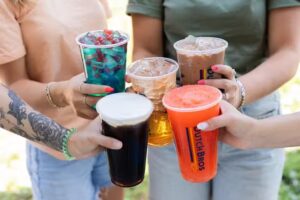
The core of Playa Paradise's appeal was its menu, centered around refreshing and visually appealing items. Photographs shared by the business and its customers showcase a variety of colorful creations, from layered smoothies to elaborate bowls topped with an assortment of fruit. The offering of fresh fruit smoothies was a clear draw, with one customer describing their drink as "absolutely delicious" and tasting "super fresh." This points to a commitment, at least in principle, to using quality ingredients, a crucial factor for any successful juice bar or health-focused food vendor.
Beyond smoothies, the menu included other popular items that catered to a health-conscious audience. Several patrons specifically mentioned their enjoyment of the açaí bowls. One reviewer noted they were "looking forward to trying out more items like the açaí bowl" after a positive first experience, while another confirmed they "tried an açaí bowl, which was delicious." This product is a staple for modern wellness cafes, and its successful execution suggests Playa Paradise understood its target market's desires for nutrient-dense, flavorful options.
Perhaps the most consistently praised aspect of Playa Paradise was its customer service. This is a critical differentiator, especially for a small, mobile business where interaction with staff is direct and personal. Reviews repeatedly use words like "incredibly helpful and sweet" to describe the employees. Another customer stated the service was "above and beyond," adding that "the owner and staff really care about their consumers and take pride in serving delicious fruits." This level of personal investment and friendly engagement is often what converts a one-time customer into a loyal follower and can be a small business's most powerful asset.
Downsides: Inconsistency and Questionable Value
Despite the glowing reviews, a starkly contrasting experience from one customer raises serious questions about the business's consistency. This patron ordered two tropical smoothies at a cost of $17.46 and reported that "hardly any fruit was added," leaving them with a product that tasted only of "smoothie mix." The review concludes with a definitive "I don’t recommend." For an establishment whose brand is built on freshness, this is a deeply damaging critique. It suggests a potential gap between the marketed product and the actual item served, a failure that can quickly erode customer trust.
This single negative experience directly impacts the perception of value. A price point of nearly nine dollars per smoothie from a food truck sets a high expectation for quality. While many customers were clearly satisfied, the inconsistent experience suggests that this price was not always justified. If some smoothies were made with fresh, whole ingredients while others relied heavily on a pre-made mix, customers were essentially playing a game of chance. This inconsistency makes it difficult to build a stable reputation and could have been a significant factor in the business's inability to retain a broad customer base. A premium-priced smoothie shop cannot afford to deliver a sub-premium product.
A Closer Look at the Business Model
Operating as a food truck offered Playa Paradise both distinct advantages and significant challenges. The mobile nature of the business would have allowed for flexibility, enabling them to travel to different neighborhoods, corporate parks, and local events to find customers. The branding, as seen in photos, was bright, tropical, and inviting, perfectly suited for an impulse purchase on a warm day. The visual presentation of the food itself—with vibrant, well-constructed fruit bowls and desserts—was clearly a strength that translated well to social media and attracted attention.
However, the food truck model also comes with inherent instability. Unlike a brick-and-mortar local juice bar, Playa Paradise would have been subject to weather conditions, vehicle maintenance issues, and the complexities of securing profitable locations. Furthermore, the limited number of online reviews suggests the business may not have been in operation long enough to establish the widespread brand recognition needed for long-term success. The challenges of maintaining consistent quality control in a small, mobile kitchen may have been a primary contributor to the operational issues hinted at in customer feedback.
The Final Verdict on Playa Paradise
Playa Paradise Creamery & Food Bar is now permanently closed, leaving behind a legacy of mixed signals. On one hand, it was a business that clearly understood key elements of the customer experience: friendly service, an appealing menu, and attractive branding. The positive reviews speak to a concept that, when executed correctly, was a resounding success with its patrons. It offered a glimpse of a go-to spot for healthy juice options and delightful treats in Indianapolis.
On the other hand, the business serves as a case study in the importance of consistency. The starkly negative feedback regarding product quality and value highlights a critical operational flaw. In the competitive food service industry, a brand's promise must be delivered with every single transaction. For Playa Paradise, the inability to guarantee that each smoothie would be fresh and fruit-filled may have been an insurmountable obstacle. Ultimately, the story of Playa Paradise is one of a promising concept that, for a variety of potential reasons including consistency and pricing, could not be sustained.