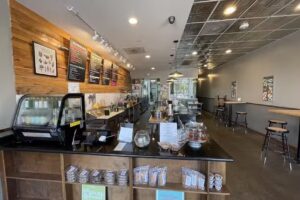
Perfect Blend Nutrition
BackLocated within the struggling commercial corridors of 1423 Lloyd Center in Portland, Oregon, Perfect Blend Nutrition was a food establishment that has since ceased operations. The designation "CLOSED_PERMANENTLY" now marks its official status, adding it to a list of businesses that could not sustain themselves within the once-bustling shopping mall. For those who frequented it or are searching for it now, it’s important to understand what this establishment was, the products it offered, and the mixed experiences customers had, which paint a complete picture of its time in business.
Perfect Blend Nutrition operated not as a traditional juice bar or café, but as a "nutrition club," a business model commonly associated with the multi-level marketing company Herbalife. This is a critical distinction that defined the customer experience from start to finish. Patrons would not simply buy a smoothie; instead, they often purchased a day pass or membership, which included a package deal, typically an aloe shot, a flavored energy "tea," and one of the signature meal replacement shakes. This model often created a club-like, community atmosphere, which was a significant draw for its regular clientele.
The Positive Aspects: Community and Perceived Health Benefits
For many customers, Perfect Blend Nutrition was a positive fixture in their daily routine. The staff were frequently described as energetic, friendly, and encouraging, creating a welcoming environment that felt more personal than a typical grab-and-go smoothie bar. This social element was a cornerstone of its appeal. Regulars often built relationships with the staff and other patrons, fostering a sense of community and mutual support centered around a healthy lifestyle.
The products themselves were another major draw. The menu consisted of a wide array of colorful and creatively named protein shakes and teas. With flavors ranging from decadent options like birthday cake and chocolate peanut butter to fruity blends, these drinks were marketed as healthy, low-calorie alternatives to a full meal. For individuals looking for a quick post-workout recovery drink or a convenient meal substitute during a busy workday at the Lloyd Center, Perfect Blend offered a compelling solution. The "energy teas" were particularly popular, touted for their metabolism-boosting and energy-enhancing properties, appealing to a demographic seeking a healthier alternative to coffee or sugary energy drinks.
What Customers Liked:
- Friendly and Upbeat Service: The enthusiastic and motivational attitude of the staff was a frequently cited positive.
- Variety of Flavors: An extensive menu of shake flavors made it easy for customers to find something they enjoyed and to try new things on subsequent visits.
- Convenience: It provided a quick and easy option for a meal replacement for shoppers and local employees.
- Community Feel: The club-like atmosphere made many feel like they were part of a group with shared wellness goals.
The Controversial Side: Business Model and Transparency
Despite the positive social environment, the business model of Perfect Blend Nutrition was a significant point of contention and confusion for many first-time visitors. The link to Herbalife and the structure of a nutrition club often led to experiences that felt less than straightforward. Unlike a standard café where prices are clearly listed, the payment system was often opaque. Customers would pay a flat fee for their "membership," which could be perceived as expensive for what amounted to a single beverage combo. This lack of price transparency was a common complaint, with some feeling misled or surprised by the cost.
Furthermore, the experience at a nutrition club often comes with a sales component. While some patrons appreciated the guidance, others felt pressured by upselling or pitches to purchase Herbalife products for home use and to become distributors themselves. This sales-oriented approach could detract from the casual, relaxing experience one might expect from a juice shop. For those simply wanting to buy a shake without engaging in a conversation about business opportunities, the environment could feel uncomfortable. The nutritional claims of the products, which are based on Herbalife's proprietary powder blends rather than fresh juices or whole foods, have also been a subject of broader debate within the health and wellness community.
What Customers Disliked:
- Confusing Pricing: The membership model was not always clearly explained, leading to confusion and feelings of being overcharged.
- Sales Pressure: Some customers reported feeling pressured to buy retail products or sign up as distributors for the Herbalife MLM system.
- Ingredient Transparency: The reliance on powders and supplements, rather than fresh, whole ingredients, was a drawback for those seeking a truly natural healthy smoothie.
- MLM Association: The connection to a multi-level marketing company was a significant ethical and financial concern for a portion of potential customers.
in a Permanently Closed Context
The story of Perfect Blend Nutrition is ultimately tied to its location and its business model. Its permanent closure reflects the broader struggles of retail spaces like the Lloyd Center, which has seen numerous tenants depart. However, its specific operating model presented a unique set of pros and cons that defined its existence. It succeeded in building a loyal, community-focused customer base that valued the social interaction and convenient, tasty meal replacement shakes. It offered a vibrant and encouraging atmosphere that stood out from other food vendors.
On the other hand, the business practices inherent to the Herbalife nutrition club model—such as bundled pricing and the underlying sales objectives—created a barrier for customers seeking simplicity, transparency, and a product made from whole foods. For anyone searching for Perfect Blend Nutrition today, the search will end with the reality of its closure. Its history serves as an interesting case study of a business that offered a unique, if polarizing, experience in the competitive landscape of health-focused eateries.