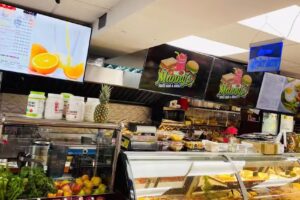
Orange Julius
BackFor many years, the food court at Coastal Grand Cir served as a familiar beacon for thirsty shoppers, offering a taste of pure nostalgia. This particular location of Orange Julius, now permanently closed, was part of a brand deeply woven into the fabric of American mall culture. It represented a simple, sweet pleasure: a frothy, orange-flavored drink that was a rite of passage for generations. While its doors are now shut, an examination of what this establishment offered, and the landscape it competed in, provides a clear picture of its legacy and the factors that led to its departure.
The story of Orange Julius is one of classic American ingenuity, dating back to a Los Angeles orange juice stand in 1926. The brand's signature item wasn't just juice; it was a unique concoction developed to be less acidic and more drinkable, resulting in a creamy, frothy beverage that quickly became iconic. For decades, this brand was synonymous with a trip to the mall. This location in Myrtle Beach was no exception, providing a convenient and affordable refreshment stop for families, teenagers, and solo shoppers taking a break. With a price level noted as inexpensive, it was an accessible treat, a small luxury that didn't strain the wallet.
The Appeal of a Classic
The primary draw, without question, was the signature Orange Julius Original. Its appeal lay in its unique texture and flavor profile—a blend of sweet, tangy, and creamy that set it apart from typical sodas or simple juices. Historically, the drink's magic came from a mix of ice, orange juice, sweetener, milk, powdered egg whites, and vanilla flavoring. Many long-time fans recall a time when you could even add a raw egg to enhance its frothiness, a practice that faded with modern food safety standards. This created a powerful sense of nostalgia; for many, an Orange Julius was not just a drink, but a memory of childhood and simpler times.
Beyond the classic orange flavor, the menu expanded to include a variety of fresh fruit smoothies. Options like strawberry banana and mango pineapple were common, catering to a broader range of tastes. This made it a functional smoothie shop for shoppers wanting a quick, cold, and fruit-based beverage. The business model was straightforward: a counter-service beverage bar designed for speed and convenience in a high-traffic mall environment. You could walk up, place your order, and have a refreshing drink in hand within minutes, making it an ideal pit stop before heading to the next store.
What Customers Appreciated
- Affordability: As a low-cost treat, it was a popular choice for parents looking to appease their children or shoppers wanting a quick pick-me-up without a significant expense.
- Unique Product: There was, and still is, nothing quite like an Orange Julius. Its distinct frothy texture gave it a loyal following that appreciated it as an alternative to the ubiquitous offerings at other food court stalls.
- Nostalgic Value: The brand carried a heavy weight of positive association for many adults, who likely introduced it to their own children, continuing a multi-generational tradition of mall-day treats.
Signs of a Shifting Market
Despite its beloved status, the Orange Julius brand faced significant headwinds that likely contributed to the closure of locations like the one in Coastal Grand Mall. The world of consumer taste, especially regarding beverages, has evolved dramatically. While the original drink was a treat, its high sugar content and simple formula began to look dated in an era increasingly focused on tangible health benefits.
One of the most significant challenges was the limited menu. While competitors were diversifying, Orange Julius largely remained a drink-focused establishment. Some locations historically offered hot dogs or pretzels, but the core of the business was beverages. This narrow focus could be a drawback for customers seeking a more substantial snack or a wider array of healthy drinks. In contrast, modern competitors in the Myrtle Beach area, such as LoLeo Juice Bar and Playa Bowls, offer extensive menus featuring acai bowls, toasts, and cold-pressed juices packed with superfoods, catering directly to the health-conscious consumer. Even within the same mall, a competitor like Acai Couples offers not just smoothies but is expanding to include coffee and sandwiches, demonstrating the need for a more diverse menu to thrive.
The Downside of an Icon
- Limited Health Focus: The classic Orange Julius is more of a dessert-style drink than a health-centric one. While tasty, it couldn't compete with the perception of nutritional value offered by green smoothies, protein-packed bowls, or juices marketed for specific wellness benefits like immunity or detoxification.
- Recipe Changes: After Dairy Queen acquired Orange Julius in 1987, the process for making the drinks began to change. Many locations shifted from using fresh-squeezed juice and raw ingredients to a pre-made powder mix and juice from concentrate. For purists and long-time fans, this change marked a decline in quality and authenticity, turning a once-special treat into a more generic fast-food beverage.
- Stiff Competition: The rise of specialized juice and smoothie chains created a crowded marketplace. These new brands built their identity around fresh ingredients, customization, and a modern, health-forward aesthetic that made the Orange Julius brand appear old-fashioned.
A Concluding Perspective
The permanent closure of the Orange Julius at 2000 Coastal Grand Cir marks the end of an era for that specific location, but it also reflects a broader trend. The brand, once a titan of the American mall, struggled to adapt to a new generation of consumers with different priorities. Its strength was its simplicity and nostalgic charm, but those very qualities became weaknesses in a market demanding innovation, variety, and transparently healthy options.
For those who remember it, this juice bar was a cherished part of the mall experience—a reliable source of a uniquely satisfying, frothy treat. Its absence leaves a void for those who sought its specific brand of comfort. However, its story serves as a clear lesson in the food and beverage industry: even the most beloved classics must evolve to remain relevant. While the physical storefront is gone, the memory of that iconic orange and white cup, and the sweet, creamy drink it held, will linger for many as a fond piece of Myrtle Beach shopping history.