Mo Juice
BackFormerly operating at 130 E Dunklin St, Mo Juice was a local establishment in Jefferson City that aimed to fill a niche for health-conscious consumers. It has since permanently closed its doors, but an examination of its operations and customer feedback provides a clear picture of what the business offered. Mo Juice positioned itself as a premium juice bar, focusing on high-quality ingredients and preparation methods that set it apart from larger, mainstream competitors. However, this premium approach came with both significant benefits and considerable drawbacks that defined the customer experience.
The core appeal of Mo Juice revolved around its commitment to genuinely healthy products. Patrons praised the shop for its healthy smoothies, noting that they contained less sugar than those found at typical chain establishments. This dedication to health was not just a marketing claim; it was rooted in the company's philosophy. According to a feature in Jefferson City Magazine, the founder was passionate about wellness and used a Norwalk cold-press juicer. This specific method, known as mastication, preserves more nutritional value from the produce compared to centrifugal juicers, resulting in a more nutrient-dense product with a longer shelf life. Each bottle of their cold-pressed juices reportedly contained three pounds of raw, organic fruits and vegetables, appealing directly to a clientele looking for authentic, wholesome nutrition. This focus on quality was a consistent theme in positive feedback, with customers describing the juices as "really good" and the offerings as "quality, healthy, yummy stuff."
Product Highlights and Customer Favorites
Beyond the general commitment to health, specific menu items garnered their own following. The "It Take 2 Mango" smoothie was singled out as a particularly enjoyable option. In addition to beverages, Mo Juice offered food items like beet hummus, which one customer described as "delicious." The menu also included açaí bowls, further broadening its appeal to those seeking trendy and nutritious meal alternatives. This variety demonstrated an effort to be more than just a place for drinks, positioning it as a source for a quick, healthy meal. The transparency of the operation was another valued aspect; customers appreciated being able to see the juices and smoothies being prepared in the back, which likely added a layer of trust and reinforced the freshness of the products. For those seeking a structured health regimen, the shop also offered programs like a 3-Day Juice Jumpstart, designed to give the digestive system a rest.
The Atmosphere and Location
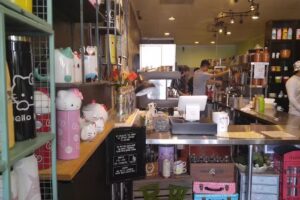
The physical space of Mo Juice also contributed positively to its identity. Located in a restored historic downtown building, the shop was described as having a "great atmosphere." Photos of the interior show exposed brick walls and a clean, modern aesthetic that blended rustic charm with contemporary style. This created a welcoming environment for patrons, making it a "nice local spot" to visit. While the official address is on Dunklin Street, its proximity to High Street and its placement within the downtown core made it a convenient, albeit paid-parking, destination for those in the area. The ambiance was clearly a strong point, elevating the experience beyond a simple retail transaction into something more pleasant and memorable.
Challenges and Criticisms
Despite the high-quality products and inviting atmosphere, Mo Juice was not without significant flaws that impacted its viability. The most frequently cited issue was the price. At $8 for a single bottle of juice, the cost was a considerable barrier for many potential customers. While some patrons acknowledged that the price reflected the quality of the ingredients and preparation, it was still seen as "a bit pricey." One customer suggested the implementation of taste tests, a common practice at similar establishments, which would have allowed potential buyers to feel more confident in their expensive purchase. This lack of sampling could have deterred first-time visitors who were hesitant to invest in an unknown flavor.
Operational Inconsistencies
More damaging than the high prices were the operational problems. A glaring example of this was the discrepancy in business hours. One review detailed a deeply frustrating experience where a customer drove 30 minutes and paid for parking based on the hours listed on Google, only to find a sign on the door indicating the shop was closed. This type of failure in basic communication can severely damage a business's reputation and deter customers from returning. It suggests a lack of attention to detail and a disregard for the customer's time and effort, creating a negative experience that overshadows any quality the products might have.
Limited Service Model
Another point of criticism was the business model itself. Mo Juice operated more as a grab-and-go retail space than a full-service café. While it offered excellent pre-made, refrigerated items, some customers expressed a desire for a more interactive experience. One review conveyed a wish that the establishment had "more of a cafe and not just refrigerated premade meals." This suggests a missed opportunity to build a stronger community around the brand. A café model could have encouraged customers to stay longer, fostering a more loyal client base and potentially increasing sales through additional purchases. The grab-and-go format, while efficient, lacked the warmth and engagement that can turn a simple smoothie shop into a beloved neighborhood hub.
A Promising Concept with Flaws
In retrospect, Mo Juice was a business with a clear and admirable vision: to provide genuinely healthy, high-quality fresh juice and food to the Jefferson City community. It succeeded in creating excellent products in a beautifully restored space, earning praise for its taste, nutritional value, and pleasant atmosphere. However, its premium model was undermined by a high price point, a lack of customer-friendly policies like taste testing, and critical operational failures such as inaccurate business hours. While its focus on health was commendable, the combination of these challenges likely contributed to its eventual, permanent closure. It served as a lesson that even with a superior product, a business must also master the fundamentals of customer service, communication, and strategic pricing to achieve long-term success.