Melo Juice Cafe
BackMelo Juice Cafe, formerly located at 2425 E Union Street in Seattle, is an establishment that is now permanently closed. However, during its time of operation, it cultivated a strong reputation as a community-focused spot known for its high-quality beverages and welcoming atmosphere. This retrospective look examines the elements that made Melo Juice Cafe a cherished local business, as well as the few drawbacks it presented to customers.
The venture was launched in early 2021 by owners Hanan Hassan Diriye and Ambrosia Austin, two women who aimed to create more than just a cafe; they envisioned a community hub focused on health, hospitality, and nutrition. The business emerged from a personal project started by Hanan, who began making her own immune-boosting juices at the start of the pandemic to help with her asthma. This passion quickly grew, and after sharing the juices with friends like Ambrosia, the concept for Melo Juice was born, initially selling batches through Instagram. The name "Melo" was inspired by their first watermelon juice flavor and the relaxed, calm feeling they wanted to evoke in their customers.
The Positive Aspects: More Than Just Juice
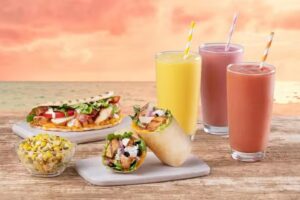
The core of Melo Juice Cafe's appeal was, without a doubt, its product. The cafe specialized in freshly pressed juices that were consistently praised by patrons. Reviews frequently highlighted the quality and taste, with specific creations like the "Melo Breeze" earning special mentions. Another popular offering was the signature "Melo juice," a potent concoction featuring ginger, described by one customer as a "delicious immune system concoction." This focus on healthy drinks resonated deeply with a clientele increasingly conscious of wellness. The owners had a clear mission to provide nutritious options, particularly aiming to counteract the prevalence of unhealthy beverages often marketed toward Black and Brown communities.
While the juice bar was the main attraction, the menu extended to other well-loved items. The cafe served delightful coffee from Herkimer and offered a variety of food that garnered rave reviews. Notably, they continued the tradition of serving waffles, a beloved item from the previous tenant, Cortona Café. Customers enthusiastically recommended both the savory and sweet options, such as the pecan praline Belgian waffle. Other popular treats included croissants with almond butter, empanadas from Rapa Nui Foods, and okazu pan from Umami Kushi, showcasing a thoughtful curation of local products.
Atmosphere and Service
Beyond the menu, Melo Juice Cafe was defined by its warm and inviting environment. The owners, Hanan and Ambrosia, were often present and lauded for their kindness and capability. Customers described the staff as "kind hearted" and the service as "awesome." This created a personal touch that transformed a simple transaction into a positive interaction. The cafe was intentionally designed as a "third space"—a place between work and home where people could feel welcome and at ease. The ambiance was frequently described as having a "mellow vibe," with good music and a generally pleasant atmosphere that encouraged patrons to relax and stay awhile. The availability of great outdoor seating and a convenient walk-up window further enhanced the customer experience, making it both a comfortable hangout spot and an easy stop for a quick takeaway.
The Drawbacks and Challenges
Despite the overwhelmingly positive feedback, there were a couple of points that could be considered drawbacks. One of the most practical considerations for customers was the price. A review noted that while the signature juice was delicious, it was also "a little pricey." This is a common reality for businesses that use high-quality, fresh ingredients for cold-pressed juice, but it remains a factor for budget-conscious consumers. The value was justified by the taste and health benefits, but the cost could have been a barrier for some.
The most significant negative aspect, however, is the ultimate one: the business is permanently closed. For any potential customer reading about its wonderful offerings and community spirit, this is a profound disappointment. The closure prevents anyone new from experiencing what made Melo Juice Cafe special. The reasons for its closure are not publicly detailed in the provided information, but the fate of this once-thriving local business highlights the immense challenges that small, independent cafes face in a competitive market.
A Legacy in the Community
Melo Juice Cafe took over the space from Cortona Café, a 10-year institution in the Central District, with the explicit goal of continuing its legacy of community service while establishing their own. As a Black-owned and women-owned business, it held a significant place in the neighborhood, aspiring to expand and make healthy options more accessible to underserved communities. The reviews and articles written during its operation paint a picture of a business that was succeeding in its mission. It was more than a juice shop; it was a testament to the power of local enterprise to foster connection, promote health, and create a welcoming space for everyone. While its doors are no longer open, the memory of its excellent fresh juice, delicious food, and neighborly vibe remains a positive chapter in the story of the Central District's local businesses.