Little Local Roots BG
BackLittle Local Roots BG represented a focused effort to introduce a dedicated health and wellness food concept to the downtown landscape of Bowling Green, Ohio. Operating from 186 S. Main Street, this establishment was not an entirely new entity but an expansion of a vision that began elsewhere. It was conceived as a smaller, more specialized offshoot of the Perrysburg-based Local Roots, aiming to capture a specific demographic within the university town. Before its eventual permanent closure, the business carved out a unique, if challenging, position for itself by championing fresh, organic ingredients for a clientele seeking healthier, quick-service options.
A Concept Rooted in Wellness
The fundamental premise of Little Local Roots was to fill a perceived gap in the local market. The founder, Ashley Balester, identified an opportunity to cater to a younger, health-conscious consumer base, particularly the student population and residents who valued clean eating. The core of the business revolved around being a premier juice bar, a place where customers could find products that were both convenient and genuinely nutritious. This was a direct response to a growing trend where consumers are increasingly skeptical of processed foods and seek out transparent, high-quality alternatives.
While a detailed menu from its time of operation is not readily available, the offerings were centered around organic juices and snacks. Based on its concept and industry standards, the menu would have likely featured a variety of staples for this niche. Central to this would have been a selection of cold-pressed juice, a method known for preserving the maximum amount of vitamins and nutrients from fruits and vegetables. Customers would have likely seen options ranging from detoxifying blends to energizing fruit concoctions. Popular choices in such establishments often include a signature green juice, typically featuring kale, spinach, celery, and apple, alongside other vibrant options made with beets, carrots, and ginger.
Beyond juices, the menu almost certainly included a range of healthy smoothies. These are a cornerstone of any modern juice shop, offering more substantial, meal-replacement options. Variations would have catered to different needs, from protein shakes for post-workout recovery to fresh fruit smoothies for a simple, refreshing treat. Another key offering would have been acai bowls and other types of smoothie bowl creations, which had become immensely popular. These bowls serve as a hearty and visually appealing meal, typically topped with granola, fresh fruit, seeds, and honey, providing a balanced mix of carbohydrates, fats, and proteins.
The Positive Aspects: Quality and Character
One of the most significant strengths of Little Local Roots was its unwavering commitment to quality. The emphasis on "a genuine clean organic product" was its primary value proposition. In a market saturated with fast food, offering thoughtfully sourced and prepared items like organic juice and snacks was a major differentiator. For customers who prioritize their health, finding a reliable source for a quick detox juice or a nutrient-dense snack would have been a considerable benefit. This focus on premium ingredients likely resulted in a superior-tasting and more beneficial product compared to mass-market alternatives.
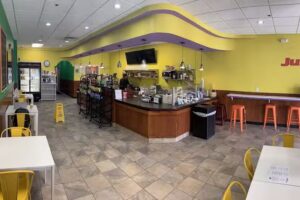
The physical location of the business also contributed to its unique character, which could be viewed as a positive. It was not a typical storefront with direct Main Street frontage. Instead, Little Local Roots was situated unconventionally at the rear of the Eden Fashion Boutique, with its entrance facing the Greenery, a local public space. This setup could have fostered a "hidden gem" appeal, creating a sense of discovery for customers. For those in the know, it offered a potentially quieter, more intimate setting away from the noise and bustle of the main thoroughfare. This unique placement, born from a serendipitous opportunity between the founder and the building's new owners, gave the business a distinct personality that a standard commercial space might have lacked.
Potential Challenges and Drawbacks
Despite its clear vision, Little Local Roots faced substantial operational challenges, many of which were inherent in its business model and location. The same unique, tucked-away spot that gave it character also presented its greatest weakness: visibility. For a business reliant on quick sales and high volume, such as a juice bar, a lack of direct street visibility is a major impediment. Potential customers walking or driving down Main Street would have had no direct line of sight to the shop, drastically reducing the potential for impulse buys and walk-in traffic. The business had to rely heavily on word-of-mouth and targeted marketing to simply make people aware of its existence.
Furthermore, the business model itself carried inherent financial pressures. The commitment to high-quality, organic ingredients is an expensive one. The cost of goods for cold-pressed juice and organic produce is significantly higher than for conventional ingredients. This reality would have necessitated a premium price point for its products. While some customers are willing to pay more for quality, this can create a barrier to entry, especially in a college town where a large portion of the target demographic operates on a tight budget. Balancing the high cost of production with a price point that was accessible to the "younger crowd" would have been a constant and delicate challenge.
Finally, the niche nature of the market itself can be a double-edged sword. While the demand for healthy options is growing, a business focused so specifically on juices, smoothies, and bowls must compete against establishments with broader menus that also offer healthy items. Coffee shops, cafes, and even some fast-casual restaurants now provide smoothies or healthy bowls, creating a competitive landscape where a specialized shop must work harder to attract and retain its customer base.
The Inevitable Closure
The designation of Little Local Roots BG as "permanently closed" marks the end of its chapter in Bowling Green. While the specific reasons for its closure are not publicly detailed, the challenges outlined above are common factors in the difficult journey of small food and beverage businesses. High overheads, supply chain complexities, intense competition, and the difficulty of maintaining profitability with a niche, high-cost product are formidable hurdles. For many businesses like this, even a passionate founder and a high-quality product cannot always overcome the harsh economic realities of the industry. Little Local Roots BG stands as a testament to an ambitious idea that, while promising, ultimately could not achieve long-term sustainability in its market. It served as a brief but valuable addition to the local food scene, highlighting both the demand for healthier options and the profound difficulties in successfully providing them.