Juice’d Café Newport
BackJuice'd Café at 190 Thames Street was, for a time, a destination for those in Newport seeking quick and purportedly healthy fare. Now permanently closed, an examination of its operations and customer feedback reveals a business with significant potential that ultimately struggled with consistency. It aimed to be a modern healthy cafe, catering to a growing demand for nutritious, on-the-go meals, but its legacy is a mix of glowing praise and sharp criticism, offering a clear picture of both its strengths and its fatal weaknesses.
The establishment's menu was central to its appeal. It positioned itself as a premier juice bar, offering a variety of beverages designed to cater to the health-conscious consumer. Patrons could find a wide selection of organic smoothies, with specific combinations earning high marks from regulars. One of the most frequently praised items was the 'Power House' smoothie, which customers enjoyed for its flavor and energizing ingredients. The cafe demonstrated flexibility, with reports of staff allowing patrons to sample ingredients and customize their smoothies, a level of service that fosters loyalty and positive word-of-mouth. This willingness to adapt and personalize an order suggested a commitment to customer satisfaction, at least for some of the staff.
Food and Drink: A Tale of Two Experiences
Beyond drinks, Juice'd Café offered a menu of wraps and bowls that expanded its reach beyond that of a simple beverage counter. The food offerings received similarly polarized reviews. Some customers described the food as 'amazing' and perfectly proportioned. The Mediterranean and 'Zeus' wraps, for instance, were highlighted as particularly delicious, made with fresh ingredients that impressed even self-proclaimed picky eaters. This focus on freshness was a cornerstone of the cafe's marketing and, when executed well, was its greatest asset. The successful integration of unique ingredients, such as turmeric in a fruit smoothie, was seen by some as innovative and impressive, showcasing a kitchen that wasn't afraid to experiment with flavor profiles in its quest for healthy options.
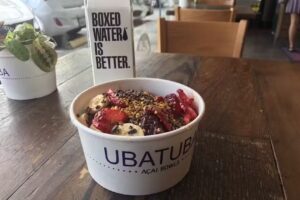
However, this positive narrative was not universally shared. For every rave review, there seemed to be a counterpoint detailing a deeply disappointing experience. The cafe's acai bowls, a staple product for any establishment in the wellness space, were a significant point of contention. One customer described them as the 'worst I've ever had,' a damning critique for a product so central to the brand's identity. This inconsistency plagued the business. While one person might receive a perfectly crafted wrap, another would be served a subpar smoothie that was deemed just 'okay' and not worth a special trip. This lack of a reliable standard is often a sign of deeper operational issues, whether in sourcing, preparation, or staff training.
Service and Ambiance: Another Point of Division
The customer service experience at Juice'd Café appeared to be entirely dependent on who was working on a given day. Numerous accounts praised the friendly and accommodating staff, contributing to a welcoming atmosphere. These positive interactions were often paired with compliments about the space itself, which included both indoor and outdoor seating and was noted for its cleanliness, including the bathrooms. This created an environment where customers could comfortably enjoy their meal.
Unfortunately, this was not a consistent reality. Other patrons reported negative encounters, citing 'employee attitudes' as a significant drawback. Staff were sometimes perceived as unknowledgeable about the menu items they were serving. This disconnect between a friendly, informed team and one that seemed disinterested or uninformed created a jarring and unreliable customer journey. A potential client never knew which version of Juice'd Café they would encounter, a gamble that can deter repeat business, especially in a competitive market like Newport.
Operational Challenges and
Several practical issues also impacted the cafe's overall appeal. Its location on Thames Street, while offering high visibility, presented a significant challenge for parking. This is a common complaint for businesses in the area, but it's a crucial factor for an establishment focused on quick takeout service. Customers looking for a fast, healthy meal are often deterred by the prospect of circling the block to find a parking spot. This logistical hurdle, combined with the inconsistent quality of food and service, likely contributed to its eventual closure.
In retrospect, Juice'd Café Newport was an establishment that captured the essence of a modern wellness trend but failed to deliver on its promise consistently. Its menu was ambitious, offering everything from fresh-pressed juice and wellness shots to substantial wraps and bowls. When all the elements aligned—fresh ingredients, skilled preparation, and friendly service—it provided an experience that customers loved. The positive reviews speak to a business that, on its best days, was a valuable asset to the community, providing genuinely good plant-based options.
However, the business's inability to maintain a high standard across the board was its undoing. The starkly negative reviews concerning signature items like acai bowls and the variable quality of service suggest a lack of strong, consistent management and quality control. In the food and beverage industry, consistency is paramount. A customer must trust that the smoothie or wrap they loved last week will be just as good this week. When that trust is broken, loyalty erodes quickly. The story of Juice'd Café serves as a lesson: a great concept and a prime location are not enough to guarantee success without a relentless focus on operational excellence and a consistently high-quality customer experience. Its closure left a void for those seeking such options, but its legacy is a valuable case study on the razor-thin margins between a thriving local favorite and a shuttered storefront.