Juice to go
BackJuice to go, located at 2601 S Canna St in Pharr, Texas, presents a confusing and ultimately disappointing picture for anyone seeking healthy beverage options in the area. The primary issue surrounding this establishment is its operational status. Official online business listings are contradictory, with data showing the business is both "temporarily closed" and, more definitively, "permanently closed." This conflicting information is the most significant drawback, as it creates a frustrating dead end for potential customers. Anyone searching for a local juice bar could easily be misled into attempting a visit, only to find a shuttered storefront. This lack of clear, updated information reflects poorly on the business's management of its public-facing identity, a critical component for any small enterprise today.
The Promise of a Healthy Hub
Despite its current defunct status, the name "Juice to go" itself suggests what the business aimed to be: a convenient source for nutritious, fresh beverages. The concept is perfectly aligned with modern consumer trends toward wellness and convenience. A well-run juice shop near me is a highly sought-after commodity for health-conscious individuals, busy professionals, and fitness enthusiasts. One can easily envision the type of menu this establishment likely offered, centered around providing vibrant, wholesome alternatives to traditional fast food.
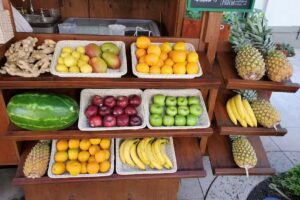
The offerings would have almost certainly included a variety of fresh fruit juices, perhaps with options for customers to create their own blends. Staples like orange, apple, and carrot juice would have been a given, likely supplemented by more exotic or health-targeted ingredients. The popularity of green juices means a menu featuring kale, spinach, celery, and cucumber combinations would have been essential to compete in the health food market. These drinks appeal to customers specifically looking for a potent dose of vitamins, minerals, and antioxidants in a single, easy-to-consume serving.
What Could Have Been on the Menu
Beyond basic juices, a place like this would have thrived by offering a robust selection of healthy smoothies. These blended beverages often serve as meal replacements and are a cornerstone of any modern juice bar. We can speculate on the potential smoothie categories:
- Protein Smoothies: Blends incorporating whey, soy, or plant-based protein powders, mixed with bananas, almond milk, and peanut butter to cater to the post-workout crowd.
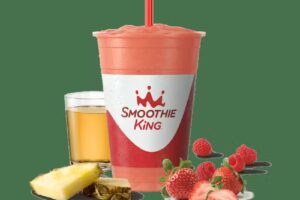
- Fruit Smoothies: Classic combinations like strawberry-banana or tropical blends with mango, pineapple, and coconut, appealing to a broader audience looking for a refreshing treat.
- Green Smoothies: A more palatable version of green juice, where ingredients like spinach and kale are blended with fruits like apple, banana, or pineapple to mask the bitterness and create a creamy texture.
- Detox Smoothies: Recipes featuring ingredients believed to have cleansing properties, such as lemon, ginger, beets, and berries, targeting customers interested in a juice cleanse or a health reset.
Additionally, the business might have offered wellness shots—concentrated 2-4 ounce servings of potent ingredients like ginger, turmeric, or wheatgrass. These are popular for their perceived immediate health benefits, such as boosting immunity or reducing inflammation. The "to go" aspect implies a focus on speed and efficiency, catering to customers who need a quick, nutritious option without the time commitment of a sit-down meal. The appeal of using natural ingredients without added sugars or preservatives would have been a major selling point.
The Reality: A Closed Door and Lingering Questions
The most significant negative aspect of Juice to go is its closure. The "permanently closed" status means that the potential described above was either not realized or could not be sustained. For a potential customer, this is the only fact that truly matters. The business is no longer an option. The reasons for its failure are unknown, as there is a notable lack of a dedicated website, social media presence, or accessible reviews that might have provided insight into its operations or customer experiences when it was open.
This information vacuum is a secondary but crucial failure. A business that disappears without a trace online leaves potential patrons in the lurch. The contradictory "temporarily closed" tag is particularly problematic. It suggests a possibility of return that the "permanently closed" status negates. This ambiguity can cause wasted time and effort for people who rely on services like Google Maps for accurate, real-time information. It underscores a failure to perform the basic task of updating a business listing, which is a disservice to the community it once aimed to serve.
The Customer Impact of Inaccurate Information
Imagine a person new to Pharr or just beginning a health journey. They search for cold-pressed juice or a local spot for a morning smoothie. They find Juice to go, see a "temporarily closed" notice, and decide to check back in a week or even drive by on the off-chance it has reopened. This leads to inevitable disappointment. In the competitive food and beverage industry, trust and reliability are paramount. By leaving behind a confusing digital footprint, the defunct business erodes that trust, even in its absence.
Juice to go represents a missed opportunity. The concept of a dedicated juice bar offering quick, healthy options in Pharr was a strong one with a clear target market. However, the reality is that the business is no longer operational. The primary drawback is its permanent closure, compounded by the unprofessional and misleading online information that persists. Potential customers should be aware that this establishment is not a viable option and will need to direct their search for healthy smoothies and juices to other active businesses in the area. It serves as a stark reminder for consumers to always verify a business's operational status through recent reviews or a direct phone call before making a trip.