Juice Press
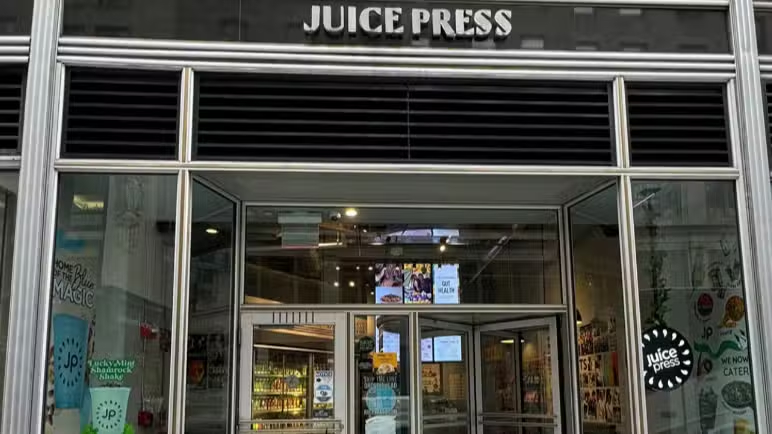
BackThe Juice Press location at 7 W 33rd Street is now permanently closed, marking the end of an era for what was once a go-to spot for many seeking a quick and healthy option near the Empire State Building. As a franchise of a well-known chain, it aimed to deliver on the brand's promise of health-conscious, organic, and vegan-friendly products. A look back at its operations, through the lens of customer experiences, reveals a business with a strong product concept that ultimately struggled with consistency in execution, mirroring the broader challenges faced by the company which saw numerous closures.
The Core Offering: High-Quality, Health-Focused Products
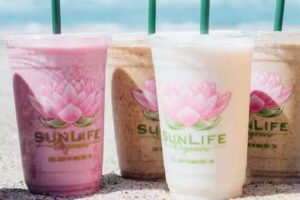
At its best, the 33rd Street Juice Press was praised for the quality and taste of its offerings. The menu was centered around popular health trends, featuring a wide variety of healthy smoothies, cold-pressed juice options, and various vegan-friendly snacks. Customers frequently described the smoothies as both delicious and filling, making it a reliable choice for a nutritious breakfast or a post-workout refreshment. Specific items garnered a loyal following; the "Blueberry Genius" smoothie was noted for its satisfying taste, while the "PB&J" smoothie was described by one enthusiastic patron as being "beyonnddddddd" delicious.
This focus on a quality, plant-based menu was the cornerstone of the Juice Press brand. The chain positioned itself as a premium fresh juice bar, offering not just individual drinks but also comprehensive organic juice cleanse programs for those looking to detox and reset. The availability of grab-and-go salads, snacks, and a variety of made-to-order juices and smoothie bowls meant it catered to a wide range of health-conscious consumers. For many, particularly visitors to the city, it became a dependable spot for a healthy meal, with friendly service often enhancing the experience.
Service: A Tale of Two Extremes
While the product was often a highlight, the customer service at this location was wildly inconsistent. The experiences reported by patrons paint a picture of a workplace with pockets of excellence overshadowed by significant lapses. On one hand, several customers lauded the staff, using terms like "amazing," "friendly," and "on point." Specific employees, like Sterling and Gregory, were called out by name for providing exceptional service that made customers feel welcomed and valued. One reviewer noted how a staff member graciously substituted an ingredient in their smoothie at no extra charge, a small gesture that left a lasting positive impression.
However, this positive feedback stands in stark contrast to deeply negative reports. One of the most damaging reviews described an encounter with an employee who was perceived as having a horrible attitude, moving slowly, and making the customer feel like a bother. This experience, where the service was so poor it prompted a vow never to return, highlights a critical failure in maintaining a consistent standard of customer care. For a brand with a moderate-to-high price point, such negative interactions are particularly detrimental, as customers rightly expect a pleasant and professional experience to match the cost.
Operational Flaws: The Strain of Understaffing
Perhaps the most insightful criticism of the 33rd Street location came from a customer who, despite the circumstances, awarded five stars to the employee but one star to the company. They witnessed a single employee managing the entire store alone during a busy lunch rush. While the staff member was described as "incredible," staying calm and efficient under immense pressure, the reviewer rightly condemned Juice Press for its failure to adequately staff the store. This observation points to a significant operational flaw that likely contributed to many of the location's problems.
Understaffing can create a domino effect of issues. It leads to longer wait times, potential drops in product quality (such as a smoothie not being perfectly blended, as one customer noted), and immense stress on employees. An overworked and unsupported employee is far more likely to appear unfriendly or disengaged, which could explain the inconsistent service reports. This failure to properly support its frontline staff suggests a disconnect between the brand's premium image and its day-to-day operational priorities. It reflects a broader struggle within the company, which expanded rapidly to over 80 locations before facing significant financial headwinds and closing many of its stores.
A Retrospective on a Closed Chapter
The story of the Juice Press at 7 W 33rd Street is a microcosm of the brand's larger journey. It successfully tapped into the demand for organic smoothies and healthy, plant-based foods, and at times, delivered an excellent product with memorable service. It was a place where you could get a genuinely delicious and healthy beverage. However, its legacy is marred by inconsistency. The gamble of whether a customer would encounter a friendly, efficient employee or an overwhelmed, unfriendly one was a significant drawback. Furthermore, systemic issues like severe understaffing pointed to deeper management problems that likely plagued the entire chain.
Ultimately, its permanent closure was not an isolated event but part of a larger corporate restructuring and downsizing. For the customers who relied on it for their go-to healthy breakfast or enjoyed the moments of great service, its absence is a loss. Yet, its history serves as a clear example that a strong menu and a good product are not enough to guarantee success in a competitive market. Consistent, high-quality service and sound operational support are just as vital to building a sustainable business.