Juice Press
BackJuice Press established itself as a significant player in New York's competitive health food scene, and its former location at 315 Park Avenue South was, for a time, a go-to spot for those seeking quick, plant-based nutrition. It is important for potential customers to know from the outset that this specific branch is now permanently closed. However, an examination of what this location offered, and the broader context of the Juice Press brand, provides valuable insight for anyone considering visiting one of their other operating stores.
As a chain, Juice Press built its identity on a commitment to high-quality, organic, and plant-based products. The core of its business was offering a wide array of options for the health-conscious consumer, from elaborate juice cleanse programs to individual bottles of cold-pressed juice, made-to-order smoothies, and a variety of vegan foods. The 315 Park Avenue South location was a reflection of this model, functioning as a hybrid restaurant, grocery, and health store. It catered to a clientele willing to pay a premium for certified organic and nutrient-dense products, a convenience that is highly sought after in a fast-paced urban environment.
The Product Line: A Deep Dive into the Offerings
The menu at a typical Juice Press, including the former Park Avenue South spot, was extensive. It went far beyond simple fruit juices, aiming to be a comprehensive healthy juice bar. The offerings were generally categorized into several key areas:
- Cold-Pressed Juices: This is the brand's cornerstone. Using a method that minimizes heat and oxidation, cold-pressed juice is believed to retain more vitamins and minerals. Juice Press offered a vast selection, from hardcore green juices like the popular "Mother Earth"—a potent mix of kale, cucumber, celery, dandelion, and ginger—to sweeter, more approachable fruit and vegetable blends.
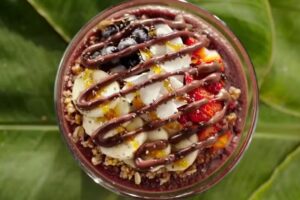
- Smoothies & Bowls: Made-to-order smoothies were a major draw. Options ranged from fruit-centric blends to protein-packed green concoctions like the "Clean Green Protein," which included spinach, kale, banana, and plant protein. Similarly, their acai bowls and pitaya bowls provided a more substantial meal, customizable with various toppings.
- Vegan Foods: Beyond beverages, Juice Press offered a significant range of prepared vegan foods. This included salads, soups, wraps, and raw food items like kelp noodles. This diversity positioned them as more than just a juice shop, but as a reliable spot for a full plant-based meal.
- Cleanses and Meal Plans: For the dedicated wellness enthusiast, the brand heavily marketed its curated juice cleanse programs and meal plans. These packages, ranging from one day to several, were designed for detoxification, weight management, or simply resetting dietary habits, and represented a significant part of their business model.
Assessing the Customer Experience and Quality
While the brand's promise of premium, organic ingredients is appealing, the customer experience at the 315 Park Avenue South location appears to have been mixed, based on the limited available data. The location held a very low rating of 2.5 stars, albeit from only two public reviews. This small sample size makes it difficult to draw a definitive conclusion, but it does highlight a potential issue: inconsistency. One of the few specific complaints lodged against this branch was that a smoothie was "very chalky." This type of feedback, echoed in reviews of other Juice Press locations, points to a recurring challenge for the brand. When customers are paying a premium—with prices for a single smoothie often exceeding $12—the expectation for quality and consistency is exceptionally high. A chalky or poorly blended organic smoothie can significantly detract from the perceived value. This issue is not unique to this closed location; other reviews have mentioned inconsistent textures in smoothies, suggesting it may be a broader operational challenge.
On the positive side, the location was noted for being wheelchair accessible, a commendable feature. The overall brand is also praised for the transparency of its ingredients and for providing genuinely healthy, gluten-free, and dairy-free options that are otherwise hard to find on the go. For many, the convenience of grabbing a truly fresh juice or a healthy meal outweighs the occasional miss in quality.
The Price vs. Value Proposition
Juice Press operates at a moderate to high price point (Price Level 2). This is justified by the company through its use of 100% organic, non-GMO produce and high-cost production methods like cold pressing. However, this pricing strategy places it in direct competition with a host of other premium health food establishments. The critical question for any customer is whether the product delivers value for the money. For those who prioritize certified organic ingredients and the convenience of a one-stop-shop for juices, vegan smoothies, and meals, the price may be acceptable. For others, a single instance of a subpar, chalky smoothie can make the cost feel exorbitant. This value proposition is the central tension of the Juice Press brand. The company has successfully cultivated a loyal following, yet it has also faced criticism for being overpriced, especially when quality control falters. The closure of numerous locations, including this one on Park Avenue South, suggests that the market for such premium products is not without its limits.
The Bigger Picture: A Brand in Transition
The permanent closure of the 315 Park Avenue South store is not an isolated incident. The Juice Press brand, which once expanded rapidly to over 80 locations, has since contracted, closing many outposts across New York City and other states. This indicates a broader recalibration in the face of market pressures, high operational costs, and intense competition. While some closures have been attributed to specific events or landlord issues, the overall trend suggests a company adapting to a changing landscape. The brand continues to operate a significant number of stores and has bolstered its online presence with nationwide shipping and subscription services, shifting its business model to meet new consumer habits.
Final Thoughts on a Closed Chapter
The Juice Press at 315 Park Avenue South was an embodiment of the brand's strengths and weaknesses. It offered a convenient, diverse, and genuinely healthy menu of organic products that appealed to a specific, health-driven demographic. It provided everything from a quick fresh juice near me search result to a comprehensive, multi-day cleanse. However, the limited feedback available for this particular location highlighted potential issues with product consistency that, when combined with a premium price tag, could undermine the customer experience. While you can no longer visit this specific location, its story serves as a useful case study for the brand as a whole. Potential customers visiting other Juice Press stores can expect a wide selection of high-quality, organic offerings but should be aware that the experience, particularly with made-to-order items, may vary.