Juice It Up! Mid-Wilshire Los Angeles
BackFor those who once frequented 5115 Wilshire Boulevard in search of a nutritional boost, the Juice It Up! storefront is now a memory. This specific franchise location in the Mid-Wilshire area of Los Angeles is confirmed as permanently closed, leaving a gap for former regulars who relied on it for quick, health-conscious options. As a brand, Juice It Up! has been a significant player on the West Coast since 1995, building a reputation on a foundation of specialty smoothies, raw juices, and bowls. This article provides an objective look at what this particular juice bar offered its community and explores the potential factors, both positive and negative, that defined its existence and eventual closure.
The primary appeal of this juice and smoothie bar was its alignment with a wellness-focused lifestyle, a demand that is particularly pronounced in Los Angeles. The menu was designed to be a functional and flavorful alternative to traditional fast food, centering on nutrient-dense ingredients. It catered to a wide range of dietary preferences and health goals, which was a significant advantage in a diverse market.
The Positive Side: What Kept Customers Coming Back
At its core, the strength of the Juice It Up! brand, and by extension this location, was its extensive and varied menu. The offerings were clearly segmented to appeal to different needs, from post-workout recovery to a simple, refreshing treat.
An Array of Fresh Fruit Smoothies
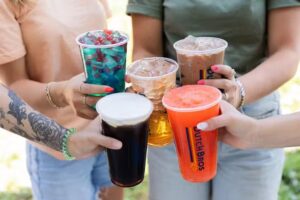
The smoothie selection was arguably the main attraction. These weren't just blended fruit and ice; they were formulated with specific purposes in mind. Customers could find classic combinations like strawberry and banana, but also more complex blends featuring exotic fruits and vital supplements. Options were typically available in categories such as "Classic," "Specialty," and protein-focused blends. For instance, a classic smoothie might focus on pure fruit flavor, while a specialty option could include ingredients like acai, pitaya, or greens for an antioxidant kick. This variety ensured that whether a customer was a child looking for a sweet treat or a fitness enthusiast needing fuel, there was a suitable choice available.
High-Impact Protein Smoothies
A key demographic for any modern healthy juice bar is the fitness community. This location would have catered directly to them with a robust lineup of protein smoothies. These drinks often contained 30 grams of protein or more, utilizing sources like whey and soy. They were marketed as ideal for muscle recovery and as meal replacements for those with busy schedules. The ability to customize these with extra protein, vitamins, or energy-boosting ingredients like ginger and ginseng was a major selling point, allowing customers to tailor their drink to their exact specifications.
The Rise of Açaí Bowls and Superfood Bowls
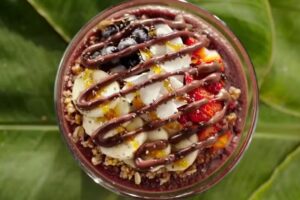
Beyond drinkable nutrition, Juice It Up! was a destination for açaí bowls and other superfood bowls. These items bridged the gap between a snack and a full meal. An açaí bowl typically consists of a thick, frozen açaí berry blend topped with granola, fresh fruits like bananas and berries, and often drizzled with honey or sprinkled with coconut. They are visually appealing, texturally diverse, and packed with antioxidants. The brand also offered bowls with pitaya (dragon fruit) or other nutrient-rich bases, catering to the growing trend of Instagrammable, health-forward meals.
Commitment to Raw Nutrition: Cold-Pressed Juice
For purists seeking maximum nutrient absorption, the availability of raw and cold-pressed juice was a significant draw. Unlike traditional centrifugal juicers that generate heat and can degrade enzymes and vitamins, the cold-press method gently extracts juice, preserving more of the raw ingredients' nutritional integrity. This location would have offered a variety of these juices, from simple orange or carrot juice to complex green juices containing kale, spinach, celery, and apple. Many customers use these for a quick nutritional reset or as part of a multi-day detox juice cleanse, a popular wellness practice that this establishment was equipped to support.
The Downside: Challenges and Eventual Closure
Despite the strong product offering and brand recognition, the permanent closure of the Mid-Wilshire location points to significant operational and market challenges. No business closes without reason, and for a franchise in a competitive landscape, several factors were likely at play.
The Saturated Los Angeles Market
The most formidable challenge was undoubtedly the intense competition. The Mid-Wilshire area and Los Angeles in general are saturated with health and wellness eateries. From local, independent juice spots to major chains like Jamba, and even high-end grocery stores like Bristol Farms offering their own fresh juices, the options are plentiful. In such an environment, brand loyalty is difficult to maintain. A single negative experience, a slightly higher price point, or the emergence of a trendier competitor just a block away can be enough to siphon away customers. Standing out requires not just a good product, but exceptional service, marketing, and a strong community connection—all of which are difficult to sustain.
Operational Complexities and Costs
Running a juice bar is more complex than it appears. The reliance on fresh produce means dealing with spoilage, fluctuating ingredient costs, and the need for meticulous inventory management. Maintaining consistency is crucial; a smoothie that tastes different from one day to the next can erode customer trust. Furthermore, labor costs in California are high, and the process of washing, cutting, and preparing produce, in addition to serving customers, is labor-intensive. The initial investment for a Juice It Up! franchise is also substantial, with estimated startup costs ranging from over $267,000 to more than $628,000. High overhead, including rent on a major thoroughfare like Wilshire Boulevard, puts immense pressure on a business to generate high daily sales volumes.
Potential In-Store Experience Issues
While specific reviews for this closed location are scarce, common complaints for similar establishments often revolve around service speed and consistency. Peak hours, like mornings and lunchtimes, can lead to long waits, which can deter customers on tight schedules. Staffing issues, such as high turnover or undertrained employees, can also negatively impact the customer experience. Reviews for other locations of the same brand sometimes mention running out of key ingredients, which can be a major disappointment for regulars who come for a specific item. Any of these factors could have contributed to a decline in patronage over time.
The Final Verdict for Potential Customers
For anyone searching for Juice It Up! at 5115 Wilshire Blvd, the final word is that this location is no longer in business. It once served as a reliable outpost for those seeking healthy, convenient, and customizable nutritional options, from energizing organic juice blends to satisfying superfood bowls. The brand's focus on functional ingredients and a diverse menu was a clear positive. However, the realities of operating in a hyper-competitive market, coupled with the high costs and operational demands of the business model, likely proved insurmountable. While the broader Juice It Up! brand continues to operate in other locations, the closure of the Mid-Wilshire store serves as a case study in the challenges faced by even established franchises in the demanding Los Angeles food and beverage scene.