
Juice Generation
BackJuice Generation on East 42nd Street presents itself as a convenient, modern counter-serve spot for health-conscious individuals navigating a fast-paced environment. As a well-established New York chain, it carries a certain reputation for providing quick access to juices, smoothies, and light fare. The location's extensive operating hours, from 7:00 AM to 8:00 PM on weekdays and 9:00 AM to 5:00 PM on weekends, make it an accessible option for breakfast, a midday boost, or a post-work refreshment. However, customer experiences suggest a significant level of inconsistency, making it a place of both reliable quality and notable frustration.
The Menu: A Wide Array of Healthy Choices
The core appeal of this establishment is its extensive menu, dedicated to fresh and nutrient-dense options. It’s a quintessential juice bar that caters to a variety of dietary preferences and health goals. The offerings are neatly categorized, guiding customers toward their desired product, whether it's one of their signature cold-pressed juices, a substantial smoothie, or a satisfying acai bowl.
Popular items like the 'Get Ur Green On' and 'Supa Dupa Greens' juices offer complex blends of vegetables and fruits, targeting those looking for a potent dose of vitamins. For smoothie lovers, the selection is vast, with classic fruit-based options like 'Smooth Strawberry' sitting alongside more robust protein shakes such as the 'Protein Knockout' and the coffee-infused 'PB & Joe'. The prices for these items are firmly in the moderate to expensive range, with most signature juices and smoothies costing between $12 and $15. This price point is a recurring topic of discussion among patrons, with some questioning if a small cup warrants the high cost.
Beyond beverages, the healthy acai bowls are a major draw. The 'P-Nutty Protein' bowl receives specific praise for being fantastic, while other options like the 'Almond Butter Bliss' and 'All-Star Açaí' provide different flavor profiles with generous toppings. These bowls, along with pre-made raw foods and muffins, position Juice Generation as more than just a drink stop, offering complete, light meals for those on the go.
A Tale of Two Experiences: Service and Quality Control
The most significant point of contention for this Juice Generation location is the variability in service and product quality. The customer feedback is sharply divided, painting a picture of an operation that can be both highly efficient and disappointingly disorganized. On one hand, some patrons describe the service as "quick," "efficient," and "friendly," exactly what one would expect from a trusted city chain. These positive experiences highlight a team that can handle the rush and deliver a consistent product.
On the other hand, a substantial number of reviews point to systemic issues. One long-term customer noted a steady decline in both service and quality over four years. Complaints include excessively long wait times even during non-peak hours, despite having numerous staff members behind the counter. This inefficiency has led to tangible product failures, such as acai bowls being forgotten and subsequently melting before they are even prepared. This suggests a breakdown in the order fulfillment process that directly impacts the customer's enjoyment and perception of value.
Quality control, particularly with delivery orders, appears to be another area of concern. One particularly negative review detailed receiving a 'Protein Knockout' smoothie via UberEats that was only half-full and had a watery, residual consistency, rendering it seemingly unsafe to consume. Such incidents severely undermine the brand's premium positioning and trust. Furthermore, reports of shrinking portion sizes—specifically, a decreasing amount of peanut butter on the PB acai bowl over time—suggest that cost-cutting measures may be affecting the product's value proposition for loyal customers.
Ambiance and Convenience
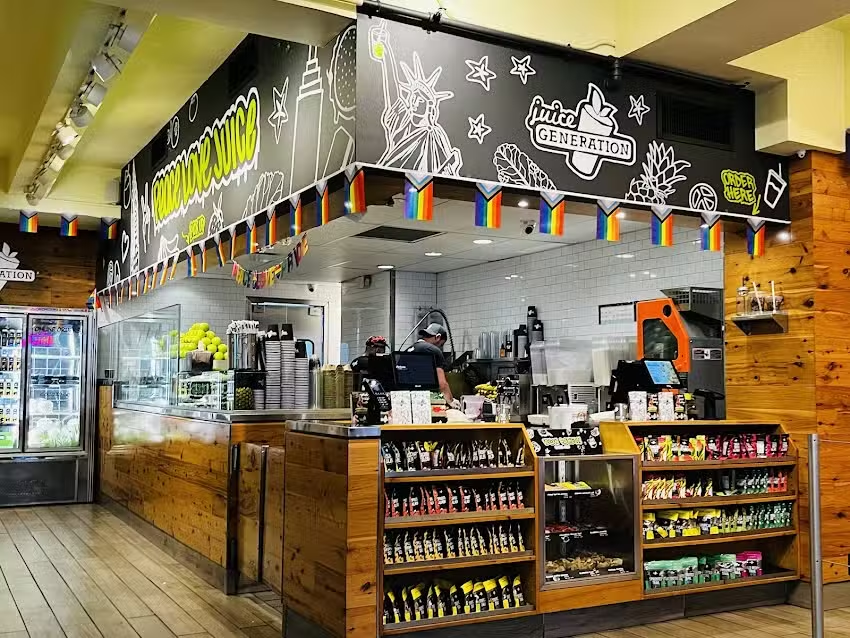
Physically, the establishment is described as "small but mighty." It is primarily a takeout-focused venue, a fact underscored by the limited seating—just two tables are available for those who wish to dine in. This setup is common for a smoothie shop in a high-traffic area, prioritizing speed and turnover. The inclusion of a wheelchair-accessible entrance is a positive feature, ensuring accessibility for all customers.
The convenience factor is undeniable. Its proximity to Grand Central Terminal makes it a strategic stop for commuters. The availability of takeout, dine-in, and delivery services offers flexibility. The brand has also embraced technology with options for ordering ahead, which, when functioning correctly, can streamline the process for busy New Yorkers. The chain's commitment to using mostly organic and vegan ingredients is a significant draw, though customers should note that some products contain whey or honey, so it's advisable to inquire or request swaps if needed.
The Price of Health: Is It Worth It?
With a price level rated as moderate, and specific examples like a $12+ price tag for a juice, Juice Generation is not a budget-friendly option. The cost is often justified by the quality of ingredients, the complexity of the recipes, and the convenience offered. However, when service falters or product quality is inconsistent, this justification weakens considerably. A customer paying a premium for a healthy juice cleanse or a perfectly blended smoothie expects a premium experience. Receiving a melted bowl, a half-empty cup, or enduring a long wait erodes the perceived value and can drive customers to competitors.
Juice Generation at 122 E 42nd St is an establishment of contrasts. It offers a diverse and appealing menu of high-quality, healthy products that cater perfectly to its target demographic of busy, health-minded consumers. Its convenient location and long hours are significant assets. However, the operational inconsistencies are too prominent to ignore. The starkly different experiences—from quick and friendly service to long waits and poor-quality products—suggest that a visit can be a gamble.
For potential customers, the decision to visit may depend on their priorities. If the primary need is a specific organic juice or a trusted smoothie recipe, and one is prepared for the possibility of a wait or a high price tag, it can be a rewarding stop. However, for those who place a higher value on consistently fast service, predictable quality, and better value for money, the reported issues might be a significant deterrent. This location has the potential to be a top-tier health food destination, but it must address its internal inconsistencies to reliably meet the high expectations set by its own brand and prices.