
Juice by the Sea & To Market
BackJuice by the Sea & To Market was a business located at 9 Main Street in Vineyard Haven, Massachusetts, that attempted to merge two distinct retail concepts: a specialty health beverage provider and a curated convenience market. The establishment is now listed as permanently closed, a crucial fact for any potential visitor searching for its services. Despite its relatively short operational period and limited digital footprint, an analysis of available data provides a clear picture of its business model, its offerings, and the experience it aimed to provide.
A Hybrid Concept: Juice Bar Meets Market
The core identity of the business was its dual function, as explicitly stated in its name. It wasn't solely a juice bar, nor was it just a small grocery store. It was a hybrid designed to cater to a health-conscious clientele looking for both immediate consumption items and take-home goods. This model is often successful in areas with high foot traffic from both tourists and residents who prioritize wellness and convenience.
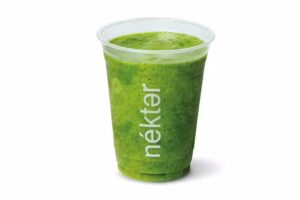
On one side of the operation was the fresh juice and beverage service. While specific menus are no longer readily available, establishments of this type typically focus on a range of made-to-order drinks. This would have likely included various organic smoothies, blended with fruits, vegetables, and superfoods, as well as a selection of cold-pressed juice. Cold-pressing is a popular method in the health food industry because it extracts nectar from produce without using high heat, which proponents claim preserves more vitamins, minerals, and enzymes. It's plausible that Juice by the Sea offered both single-ingredient juices and proprietary blends aimed at specific wellness goals, such as energy, immunity, or detoxification, potentially including options for a multi-day juice cleanse program.
The "To Market" Component
Equally important was the "To Market" aspect of the business. This transformed the space from a simple beverage counter into a multifaceted retail destination. Based on customer feedback, the market section was stocked with a diverse array of items that went far beyond typical café fare. The inventory included essential daily items and specialty goods, creating a one-stop-shop experience. A review noted the availability of "soaps, phone chargers, to snacks and fresh organic fruits." This selection indicates a thoughtful curation process aimed at meeting the immediate needs of passersby. The inclusion of non-food items like phone chargers suggests an understanding of the practical needs of visitors in a resort town, while the focus on organic fruits and healthy snacks reinforced the brand's commitment to wellness. This retail component would have provided an additional, more stable revenue stream compared to the fluctuating demand for made-to-order drinks.
The Customer Experience and Atmosphere
Information regarding the customer experience is limited, with only one detailed public review available. However, this single data point is overwhelmingly positive, awarding the establishment a five-star rating. The reviewer highlighted the "Lovely staff & atmosphere," two critical components for any service-oriented business, especially a small, local one. A welcoming atmosphere and friendly staff can significantly impact customer loyalty and word-of-mouth marketing. The description suggests that Juice by the Sea & To Market succeeded in creating a pleasant environment where customers felt comfortable. This positive ambiance, combined with a unique product offering, was likely a key part of its appeal.
Potential Strengths and Weaknesses
The business model of Juice by the Sea & To Market had several inherent strengths. The primary advantage was its unique position in the local market. By combining a health food store with a beverage counter, it differentiated itself from traditional cafes, ice cream parlors, and convenience stores. It catered to a growing consumer trend toward health and wellness, offering products that were not easily found elsewhere in the immediate vicinity. The convenience of grabbing a fresh smoothie while also picking up organic produce or a last-minute essential item was a powerful value proposition.
- Convenience: The hybrid model offered a convenient solution for health-conscious consumers.
- Niche Market: It targeted the wellness market, a demographic often willing to pay a premium for high-quality, organic products.
- Diverse Revenue Streams: Sales were not solely dependent on beverage orders, with the retail market providing a buffer.
However, the business also faced potential challenges. Operating in a seasonal location like Vineyard Haven often means a significant drop-off in business during the off-season. While the market component might have appealed to year-round residents, the business's primary revenue was likely generated during the busy summer months. Furthermore, operating a juice bar that relies on fresh, organic produce involves high ingredient costs and the risk of spoilage, which can compress profit margins. Managing inventory for both a food service operation and a retail market is a complex task that requires careful planning and execution.
The Reality of Closure
Ultimately, the most significant point to consider is the establishment's status as permanently closed. While the provided data shows a conflict between "CLOSED_TEMPORARILY" and "permanently_closed," further investigation across multiple platforms confirms it is no longer in operation at this location. Businesses, particularly in seasonal tourist destinations, face immense pressures, from high operating costs and staffing challenges to the intense competition for consumer attention. The closure means that any positive attributes or promising concepts the business possessed were not enough to ensure its long-term viability. For potential customers, the final verdict is clear: Juice by the Sea & To Market is a memory of a past retail option on Main Street, not a current destination for a fresh juice or organic snack.