Juice Barre
BackJuice Barre was a business built on a foundation of personal transformation. For its owners, Nicholas and Marcelle Tiffany, the venture into the world of juicing wasn't just a business decision; it was the result of a life-changing health journey. Inspired by the popular documentary "Fat, Sick and Nearly Dead," Nicholas embarked on a juicing regimen that led to a significant 70-pound weight loss. This profound experience ignited a passion to share the benefits of a healthier lifestyle with their community. At the time of its opening in 2013, the couple, who came from backgrounds as a gym coach and a hairdresser respectively, felt there was a distinct lack of convenient, healthy options in the area. They launched Juice Barre at 16 P.T. Barnum Square to fill that void, creating a space that was, for a time, a beloved local hub for wellness.
A Hybrid Concept: Fitness and Nutrition
What made Juice Barre particularly interesting was its ambitious dual concept, cleverly hinted at in its name. It wasn't just a juice bar; it was envisioned as a complete center for health and wellness. The primary focus was, of course, on providing fresh, nutritious food and drinks. However, the plan extended beyond the counter. Marcelle intended to utilize the 650-square-foot space after hours to host "Beyond Barre" workout classes, blending physical fitness with the nutritional benefits their menu offered. This forward-thinking approach aimed to create a holistic health experience, where customers could nourish their bodies from the inside out and engage in physical activity all under one roof. This model positioned Juice Barre as more than a simple eatery, casting it as a lifestyle brand dedicated to the overall well-being of its clientele.
The Heart of the Business: The Menu
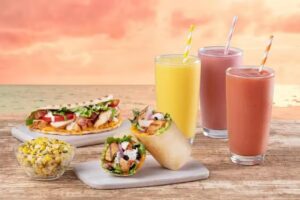
The core of Juice Barre's appeal lay in its vibrant and thoughtfully crafted menu. The owners committed to using all-organic ingredients to create their signature drinks on the premises. The offerings were a testament to their belief in the power of raw nutrition. Patrons could choose from a wide array of fresh pressed juice and healthy smoothies, each with a creative name and a specific blend of fruits and vegetables.
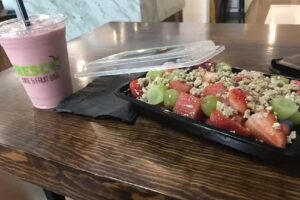
Among the most popular and frequently mentioned items was the "Green Giant," a robust concoction of kale, spinach, celery, cucumber, parsley, apple, ginger, and lemon. This drink was a powerhouse of green nutrients, designed for those seeking a serious health boost. Another favorite was the "Sweet Sunset," which cleverly combined beets, carrots, oranges, celery, kale, and lemon. This particular juice was a prime example of the owners' success in making vegetable-based drinks appealing to a broader audience. One customer noted that while she disliked beets on their own, she found them delicious in the juice blend, highlighting the shop's knack for balanced and tasty recipes. The owners themselves acknowledged that they often converted skeptics who initially thought a beet juice might sound "gross" into devoted fans. Beyond juices, the menu included items like an Apple Crisp Smoothie and food options such as an Avocado Bowl, Veggie Hummus, and a Kale Spinach Salad, catering to those looking for a light and healthy meal.
Specialized Offerings and Atmosphere
Understanding the growing interest in more intensive health regimens, Juice Barre also offered a 3-day juice cleanse program. This allowed customers to engage in a structured detox juices plan, guided by the passionate and knowledgeable owners. Patrons frequently praised Nick and Marcelle, describing them as "awesome" and genuinely invested in helping others. One glowing review highlighted their ability to share practical, actionable information that helped newcomers get the most out of juicing without negative effects. This educational aspect was a significant part of the customer experience.
The atmosphere they cultivated was equally important. It was described as a "home away from home," a welcoming space that had a certain "city-like" vibe. This made it an attractive spot not just for a quick health fix but also for freelancers who could comfortably work on their computers while enjoying a juice. It became a community hub where one could meet a friend for lunch and feel part of a positive, health-conscious environment. For many, the proof was, as one customer put it, "in the juice," with some regulars traveling from out of town and considering Juice Barre's creations to be the "best tasting juices ever."
Operational Inconsistencies and Customer Frustrations
Despite the strong vision, passionate owners, and a product that was often excellent, Juice Barre was not without its significant flaws. The positive experiences of many were contrasted by frustrating inconsistencies that soured the visits for others. A recurring and critical issue was inventory management. One of the most pointed negative reviews stated that the business seemed to be "always out of products." For any retail establishment, but especially one dealing with fresh, perishable ingredients, the inability to provide what is advertised on the menu is a major operational failure. This suggests potential struggles with supply chain logistics, forecasting customer demand, or managing waste, all common but difficult challenges for new business owners.
This inconsistency extended to the quality of the product itself. The same dissatisfied customer recounted ordering a juice that was "so water down it didn't even taste like what I got before." This points to a lack of standardized preparation methods, a crucial element for ensuring that every customer receives the same high-quality product they expect. When a premium price is charged—the review mentions a $7 cost for the disappointing drink—the expectation for quality is rightfully high. Failing to meet that expectation not only disappoints a customer on a single visit but also erodes the trust and perceived value of the brand. These operational shortcomings stood in stark contrast to the glowing praise from other patrons, painting a picture of a business that, while capable of excellence, struggled to deliver it consistently.
A Look Back at a Closed Chapter
Today, Juice Barre is permanently closed. While the public record doesn't specify the exact reasons for its closure, the customer feedback provides a compelling narrative of a business with immense potential that was ultimately hampered by execution. It excelled in creating a brand, a story, and a community. The founders' genuine passion was palpable and infectious, creating a loyal following that loved the atmosphere and the product at its best. However, the backend of the business—consistency, inventory, and standardized quality control—appeared to be a persistent challenge.
Juice Barre's story serves as a classic example of the difficulties small, independent businesses face, particularly when founders are new to the industry. The establishment made a notable impact on the Bethel area, introducing many to the benefits of organic juice and creating a much-needed space for the health-conscious. It was a business with a strong heart and a clear vision, but one that ultimately couldn't overcome the operational hurdles required for long-term success. For those who remember it fondly, it was a place of vibrant flavors, wellness education, and community connection. For others, it was a source of frustration. In the end, it remains a memorable local venture that, for a few years, offered a healthy and ambitious alternative.