Jamba King of Prussia Plaza
BackLocated within the bustling retail environment of the King of Prussia Plaza, the Jamba brand operated a counter-serve spot that aimed to provide shoppers with a quick, health-focused beverage option. As a franchisee of a prominent national chain, this location was positioned as a convenient juice bar for those seeking fruit smoothies and light bites. However, a look back at its operational history, reflected in customer feedback and its eventual fate, reveals a deeply inconsistent business that struggled with core aspects of its service. The establishment is now permanently closed.
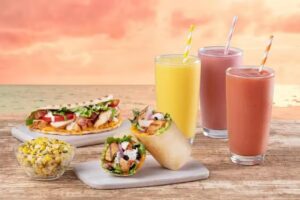
The central conflict in this former smoothie shop's story lies in the wildly different experiences reported by its patrons. On one hand, there were moments of genuine customer satisfaction. Some visitors left glowing reviews, praising the staff for being friendly, efficient, and helpful. These positive accounts highlighted specific employees who guided customers to choices that perfectly matched their tastes, such as a Ginger Greens smoothie that was lauded for its refreshing, bright flavors of real ginger and lemon. For these clients, the location delivered on the brand's promise, offering delicious and invigorating fruit smoothies like the Razzmatazz and Orange Dream Machine. It was, for a time, a place where one could get exactly what was advertised: a tasty, seemingly healthy beverage prepared by a capable team.
A Tale of Two Experiences
Despite these positive instances, a significant number of reviews painted a starkly different and troubling picture. The business held a mediocre overall rating of 3.3 stars out of 5, a clear indicator of systemic issues. The most severe complaints centered on the fundamental quality of the products. Several customers reported that their smoothies tasted artificial and unhealthy, directly contradicting the very concept of a healthy smoothies outlet. One detailed account described a drink made not with fresh fruit, but with what appeared to be jam, artificial flavorings, water, and ice, with only a sliver of a real banana. The customer, who expected a nutritious beverage, felt deceived and ended up throwing the sugary concoction away.
This issue of flavor and quality was not an isolated incident. Another patron, who identified as a frequent Jamba customer familiar with the brand's standards, labeled the King of Prussia Plaza location as the worst they had ever encountered. They described purchasing two different drinks: one that contained a piece of a dark, potentially rotten banana and had no flavor, and another, the Mango-A-GoGo, that was so devoid of taste it was also discarded. These experiences suggest a severe lapse in quality control and a failure to use the fresh, high-quality ingredients that customers associate with a premium juice bar.
Service and Operational Failures
Beyond the product itself, customer service was another area of significant friction. While some praised the staff, others encountered frustrating and unwelcoming service. One prospective customer recounted standing in line, only to be told by an employee, upon reaching the front, that they were in the wrong line and needed to go to the back of another. This lack of clear direction and poor handling of customer flow resulted in a lost sale and a vow never to return. Such an interaction points to operational disorganization and a disregard for the customer's time and experience.
The Inconsistency Problem
Ultimately, the narrative of this Jamba location is one of profound inconsistency. A visit was a gamble. One customer might receive a perfectly crafted natural juice blend from a cheerful employee, while the very next person could be served a flavorless, artificial-tasting drink by an unhelpful staff member. This variability is toxic for any business, especially one located in a high-traffic, high-competition environment like a major shopping mall. Shoppers have countless other options for a quick refreshment, and an unreliable establishment is unlikely to build the loyal customer base needed to thrive.
The available customer feedback, though dating back several years, points to a long-standing pattern of problems that were seemingly never resolved. When a business repeatedly fails on its core promises—fresh ingredients, healthy options, and good service—it erodes trust and reputation. While the specific reasons for its permanent closure are not publicly detailed, the documented history of customer dissatisfaction provides strong clues. The failure to consistently deliver a quality product and a positive experience likely contributed to its inability to remain viable. For former patrons and potential customers, the story of the Jamba at King of Prussia Plaza serves as a case study in how even a well-known brand name cannot sustain a business that fails to meet fundamental expectations.