Jamba Juice
BackThe permanent closure of the Jamba Juice at 43055 Van Dyke Ave in Sterling Heights marks the end of a specific chapter for local fans of blended fruit beverages. As a franchise of a national chain, this location was a link to a brand recognized for its vibrant, health-forward image. For years, Jamba Juice positioned itself as the go-to destination for a quick, nutritious boost, serving up a colorful menu of fruit smoothies, bowls, and fresh-squeezed juice. Examining the brand's overall offerings and widespread customer feedback provides a clear picture of what patrons of the Sterling Heights store likely experienced, encompassing both the bright spots and the significant drawbacks that defined its operation.
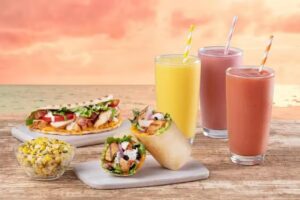
For many, this Jamba Juice was a reliable source for what seemed like a healthy and refreshing choice. The brand built its reputation on convenience and taste, offering a menu that was both accessible and appealing. It was a place where you could get a post-workout protein boost, a seemingly guilt-free afternoon treat, or a quick meal replacement on a busy day. The menu was extensive, featuring classic blends that became fan favorites and created loyal customers. Drinks like the 'Mango-A-Go-Go' and 'Strawberries Wild' became synonymous with the brand, offering a consistent and familiar flavor profile that people returned for time and again.
The Appeal: What Jamba Juice Did Right
The core strength of the Jamba brand, and by extension the Sterling Heights location, was its product concept. The idea of blending whole fruits and vegetables into a delicious, easy-to-consume drink is undeniably attractive. This appealed directly to a growing market of health-conscious consumers looking for alternatives to traditional fast food. The bright, energetic store branding, combined with the loud whir of blenders, created an atmosphere of freshness and vitality.
The menu offered a perceived sense of customization and wholesome goodness. Customers could add boosts of protein, vitamins, or greens like kale to their smoothies, tailoring the drink to their specific dietary goals. This created an experience that felt personalized and health-oriented. Beyond the classic smoothies, the introduction of acai bowls and other food items like oatmeal and baked goods broadened its appeal, positioning the smoothie shop as a legitimate spot for a light breakfast or lunch.
Popular Menu Offerings
Understanding the menu is key to understanding the Jamba experience. The offerings were generally divided into distinct categories, each catering to a different taste or nutritional need.
- Classic Smoothies: These were the heart and soul of the menu. Blends like 'Caribbean Passion,' 'Razzmatazz,' and 'Aloha Pineapple' were staples. They often featured fruit juices, frozen yogurt, or sherbet alongside frozen fruits, creating a sweet, creamy, and consistent product that was more of a treat than a pure health drink.
- Plant-Based Smoothies: Catering to a growing demographic, these smoothies used non-dairy bases like almond milk and focused on fruit and vegetable combinations. They were a nod towards the brand's health-conscious image and offered options for vegan customers.
- Power Smoothies: Packed with protein, options like the 'Peanut Butter Moo'd' were designed as meal replacements or recovery drinks for athletes. These were often higher in calories but provided a substantial energy boost.
- Juices and Shots: For those seeking a pure, unadulterated dose of nutrients, the juice bar offered options like wheatgrass shots and freshly squeezed orange or carrot juice. These items reinforced the brand's connection to wellness and a potential juice cleanse regimen.
The Reality: Widespread Challenges and Criticisms
Despite the appealing concept, the Jamba Juice model faced systemic issues that were likely felt at the Sterling Heights location. These problems ranged from the product's actual nutritional content to operational inconsistencies and, most significantly, the price point. These factors contributed to a growing disconnect between the brand's marketing and the customer's reality.
The Health Halo vs. Ingredient Reality
A major point of contention for the Jamba brand has been its marketing versus its ingredients. While advertised as blending "whole fruits & veggies," many of its most popular drinks relied heavily on fruit juice concentrates, sherbets, and frozen yogurts, which are high in sugar. Class-action lawsuits have alleged that this marketing is misleading, pointing out that some smoothies contain more sugar than a can of soda. For instance, the primary ingredients in some blends were not the exotic fruits featured in their names, but cheaper pear or white grape juice concentrates. This revelation tarnished the "health halo" for discerning customers who began to scrutinize the nutrition facts more closely, realizing their seemingly healthy choice was often a sugar bomb in disguise.
Inconsistent Quality and Service
As a franchise-driven business, consistency can be a major challenge. Customer complaints across various locations often point to the same issues: receiving the wrong order, drinks blended improperly (too icy or too watery), and dirty facilities. While some staff members are praised for being friendly and efficient, many negative reviews for the brand focus on poor customer service, with employees described as unprofessional or disinterested. These inconsistencies meant that a visit to Jamba Juice could be unpredictable. A customer might have a great experience one day and a frustrating one the next, which can erode brand loyalty over time.
The Prohibitive Price Point
Perhaps the most significant factor leading to the closure of many Jamba locations, likely including the one in Sterling Heights, is the escalating cost. In recent years, the price of a single smoothie has climbed to a point where it is no longer an everyday purchase for many consumers. With prices often exceeding $10 or $12 for a single drink, the market for these products has shrunk considerably, especially in a challenging economy. Customers have become acutely aware that they could purchase the raw ingredients and make several smoothies at home for the cost of one Jamba Juice. This price-to-value proposition became increasingly difficult to justify, turning what was once an accessible treat into an expensive luxury. This economic pressure is a frequently cited reason for the nationwide trend of Jamba Juice closures.
The Legacy of a Blended Brand
The shuttered doors of the Jamba Juice on Van Dyke Avenue reflect a broader narrative about a brand grappling with its identity and market position. For many in Sterling Heights, it was once a welcome source of vibrant flavors and healthy drinks. It succeeded in making smoothies a mainstream phenomenon and offered a convenient alternative in the fast-food landscape. The brand's popular recipes and the positive energy it aimed to project were definite highlights for its customer base.
However, the legacy is also complicated by significant shortcomings. The gap between its healthy image and high-sugar reality, coupled with franchisee inconsistencies and a price point that became untenable for a large portion of its target audience, created a perfect storm. While loyal fans may miss their favorite healthy snacks and beverages, the closure ultimately serves as a business case study. It shows that in a competitive market, a brand cannot survive on concept alone. It must deliver consistent quality, transparent value, and a price that aligns with the economic reality of its customers. The Sterling Heights location is now a quiet testament to this evolving consumer landscape.