Herbalife Happy Valley Nutrition, LLC
BackHerbalife Happy Valley Nutrition, LLC, formerly located at the corner of Martin Street and Herman Drive in State College, PA, is now permanently closed. This establishment operated as a nutrition club, a specific type of storefront that, while resembling a conventional juice and smoothie bar, functioned under a distinct and often debated business model. For potential customers who may encounter similar businesses, understanding the structure, offerings, and controversies surrounding this type of venue is essential.
At first glance, these clubs present an appealing front. They typically offer a vibrant, community-focused atmosphere where patrons can purchase colorful and creatively named healthy shakes and teas. The menu is usually filled with options like 'Birthday Cake' or 'Gummy Bear' teas, which are presented as healthy, low-calorie alternatives to sugary drinks and snacks. The core products are almost always a combination of two items: a flavored aloe vera concentrate drink, a caffeinated herbal tea, and a meal replacement shake. This setup provides a quick, convenient option for individuals seeking what they believe to be a nutritious meal on the go, particularly for breakfast or lunch.
The Customer Experience: Community and Convenience
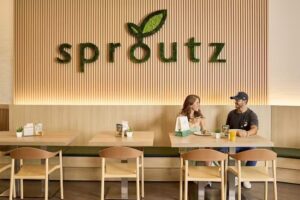
For many patrons, the appeal of a place like Happy Valley Nutrition extended beyond the products themselves. These clubs are designed to foster a sense of community. The owners and operators, who are Herbalife distributors, often act as personal wellness coaches, offering encouragement, support, and a friendly face. This can create a positive and motivating environment for customers on a weight loss or fitness journey. Many clubs host events like weight loss challenges, group workouts, and social gatherings, further strengthening this community bond. This supportive atmosphere can be a significant draw, making the club a daily or weekly stop for regulars who enjoy the social interaction as much as the shakes and teas.
The product offerings themselves are centered on convenience. For someone with a busy lifestyle, a meal replacement shake provides a simple solution that requires no preparation. The variety of flavors gives the illusion of a diverse menu, encouraging repeat visits to try different combinations. The 'energy teas' are another popular item, offering a boost of caffeine that appeals to those looking for an alternative to coffee. From a customer's perspective, it appears to be a one-stop shop for a quick, tasty, and seemingly healthy boost.
Understanding the Business Model: Multi-Level Marketing
The most critical aspect to understand about Herbalife Happy Valley Nutrition and similar establishments is that they are not traditional retail businesses. They are storefronts for a multi-level marketing (MLM) company. Herbalife Nutrition Ltd. is a global corporation that develops and sells dietary supplements through a network of independent distributors. These distributors earn money not only from selling products directly to consumers but also by recruiting new distributors into their network, earning commissions from their sales.
This structure has been a long-standing point of contention. Critics have frequently alleged that Herbalife operates as a pyramid scheme, a claim the company has consistently denied. The core of the criticism is that the business model focuses more on recruitment than on the actual retail sale of products to the public. For a customer walking into a nutrition club, this distinction is often not immediately apparent. The branding is typically focused on the local club's name (e.g., 'Happy Valley Nutrition') rather than prominently displaying the Herbalife corporate logo. This subtlety means many customers may not realize they are patronizing an MLM-affiliated business.
What This Means for the Consumer
The MLM foundation influences the entire customer experience, often in ways that are not obvious. The friendly 'wellness coaches' are Herbalife distributors whose income depends on selling products and expanding their network. This can lead to a blurred line between providing genuine customer service and actively trying to convert a shake-buying customer into a product-buying distributor. Patrons might find themselves being encouraged to purchase tubs of the shake mix and tea powders for home use or, more directly, being pitched the 'business opportunity' to become a distributor themselves.
The pricing structure can also be opaque. Instead of paying for a shake directly, customers often purchase a 'membership' for the day which includes the standard tea and shake combo. This approach can make it difficult to compare the cost of a protein shake from an Herbalife club to one from a traditional gym or cafe.
Product and Health Considerations
While the products are marketed as tools for a healthy lifestyle, there have been significant questions and concerns raised about their composition and effects. The shakes are primarily composed of processed ingredients, including soy protein isolate, sugars (fructose), and a long list of synthetic vitamins and minerals. While they can be effective for weight loss when used to replace higher-calorie meals, their nutritional profile is a subject of debate among dietitians and health professionals.
More serious concerns have been raised regarding liver health. Multiple reports and studies published over the years have suggested a link between the consumption of Herbalife products and instances of severe liver injury. Some analyses of the products have identified contaminants like heavy metals and toxic compounds. While these cases represent a small fraction of the millions of consumers, it is a critical point of information for anyone considering incorporating these supplements into their diet. Potential customers should be encouraged to research the ingredients and consult with a healthcare professional, such as a registered dietitian, rather than relying solely on the advice of a distributor who may not have formal nutritional training.
A Closed Chapter in State College
The permanent closure of Herbalife Happy Valley Nutrition, LLC marks the end of this specific establishment's presence in State College. While it once offered a convenient and socially engaging option for those seeking quick meal replacement shakes and teas, its operation was intrinsically tied to the complex and controversial world of multi-level marketing. Understanding this dual nature is key. On one hand, it was a local spot that fostered a supportive community for its clients. On the other, it served as a retail front and recruitment funnel for a global MLM corporation with a history of legal scrutiny and health controversies. For consumers, the story of this closed business serves as an important case study, highlighting the need to look beyond the colorful menu and friendly service to understand the full context of the businesses they support.