
Glo Juice Bar + Cafe
BackLocated at 1120 Brown St, Glo Juice Bar + Cafe was a Dayton establishment that aimed to bring a health-conscious, vibrant energy to the local food scene. Owned and operated by Amy Beaver, who also runs the nearby Butter Cafe, Glo was conceived as a destination for high-quality, nutritious options. It opened in late 2019 with a clear mission: to provide fresh juice, smoothies, and vegan-friendly foods made with raw ingredients and no added sugars. Despite its promising start and a dedicated concept, the business ultimately ceased operations at its standalone location, painting a complex picture of innovation and operational challenges.
Now permanently closed, a retrospective look at Glo Juice Bar + Cafe reveals a business that deeply polarized its clientele. It excelled in its core product—the very items that gave the juice shop its name—but faltered significantly in areas of service and value, leading to a mixed legacy reflected in its 3.5-star average rating.
The Core Strengths: A Focus on Health and Quality
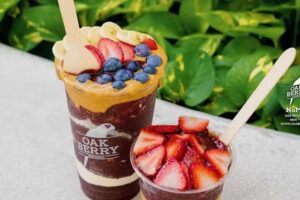
For a segment of its customer base, Glo was exactly what it promised to be: a sanctuary for healthy living. Patrons who valued pristine, natural ingredients over all else found a lot to love. The menu was built around a variety of healthy smoothies, cold-pressed juice, and popular açaí bowls. Enthusiastic reviews often highlighted the delicious and genuinely healthy nature of the offerings. One customer, preparing for surgery, specifically sought out their green juices for their restorative properties, praising the helpful staff who assisted them.
This commitment to quality was a key differentiator. In a market with mainstream smoothie chains, Glo positioned itself as the authentic alternative. One supporter passionately defended the cafe against negative feedback, suggesting that critics accustomed to artificial sweeteners and added sugars simply didn't appreciate the taste of real, unprocessed food. This reviewer celebrated the establishment's focus on "quality over quantity," a sentiment that captures the essence of Glo's appeal. The products were designed for a discerning palate, for those undertaking a juice cleanse or simply seeking pure, untainted nutrition. The fact that the menu was also entirely gluten-free and offered extensive vegan options further carved out its niche in the Dayton market. The ambiance, described even by detractors as a "cute store," featured a minimalistic design with a plant-covered "living wall" that added to its fresh, clean aesthetic.
Significant Operational Weaknesses
Despite the high-quality product, Glo Juice Bar + Cafe was consistently plagued by severe operational issues that alienated a substantial number of customers. The most frequently cited problem was the service, which was described in overwhelmingly negative terms ranging from disinterested to painfully slow.
Customer Service and Wait Times
Multiple accounts detail an experience that was, as one visitor put it, "so bad that it’s almost comical." Customers reported staff who seemed annoyed, shy, or completely disengaged. One patron recounted two separate visits, months apart, where the service was astonishingly slow and the employee seemed either passive-aggressive or frightened. Waiting nearly half an hour for a simple smoothie and a piece of toast, especially as the only customer in the store, became a recurring theme in negative reviews. Another customer noted waiting 12-15 minutes for a single smoothie, a timeframe that many found unacceptable for a quick-service establishment. This pattern suggests a systemic issue with training, staffing, or management that was never adequately resolved.
Inventory and Stock Management
Adding to the service woes were persistent problems with inventory. Customers frequently arrived to find that basic menu items were unavailable. Reports of the cafe being out of staples like bagels or key ingredients such as avocado pesto were common. This lack of preparedness not only disappointed customers but also undermined the cafe's credibility. An establishment positioning itself as a premium option is expected to manage its supply chain effectively; consistent stockouts signaled a level of disorganization that customers found frustrating.
The Value Proposition Debate
Price was another major point of contention. While some patrons were willing to pay a premium for high-quality, organic ingredients, others felt the cost was exorbitant for what they received. One of the most direct criticisms came from a customer who attempted to replicate a favorite drink from a competitor, Tropical Smoothie. They found that Glo's version was nearly double the cost and half the size. This sentiment was echoed by others who described the bowls as "runny" and "small," and the vegan grilled cheese as "laughably small" for its $9 price tag. This created a sharp divide: was Glo an artisanal smoothie shop offering fair value for superior ingredients, or was it an overpriced cafe with poor portion control? For many, the combination of high prices, small portions, and slow service created a value proposition that was simply untenable.
The Final Chapter
Ultimately, the challenges of running a standalone brick-and-mortar proved too great, especially in the wake of the COVID-19 pandemic. In early 2023, it was announced that Glo Juice Bar would move its operations into its sister restaurant, Butter Cafe, to keep the brand alive. This move was a pragmatic decision to consolidate resources and continue serving the community that appreciated its unique, health-focused menu. However, by February 2024, reports confirmed its final closure even within that space.
The story of Glo Juice Bar + Cafe serves as a valuable lesson. It highlights that a strong concept and a high-quality product are not always enough for success. The customer experience, which encompasses service speed, staff attitude, product availability, and perceived value, is just as critical. While Glo succeeded in offering genuinely healthy and delicious organic juice and food, its operational failings created a frustrating and inconsistent experience that overshadowed its strengths and likely contributed to its eventual closure.