Farm Truck Juice
BackFarm Truck Juice, formerly located at 189 Brackett Street in Portland's West End, is a business that now exists only in the memories of its former patrons. Though the doors are permanently closed, an examination of its operations, customer feedback, and overall concept provides a valuable snapshot of a family-run juice bar that aimed to bring farm-fresh health to an urban neighborhood. This retrospective looks at what Farm Truck Juice did well and the challenges it ultimately faced during its time in business.
The Foundation: A Family's Vision for Health
The establishment was more than just a commercial enterprise; it was the product of a specific vision held by its founders, husband-and-wife team Caleb and Ali Haines. Opening in 2015, the business was built on a philosophy of direct, local sourcing. The name itself, Farm Truck Juice, was a nod to their vintage 1950s Chevy truck, symbolizing a direct connection between the farm and the consumer. This wasn't merely a marketing angle but the core of their operational ethos. Their stated mission was to share health and well-being with the community, a sentiment echoed by customers who felt the powerful intention behind the brand. By emphasizing ingredients sourced from Maine farms, they committed to a model that supported other local businesses and ensured a higher level of freshness in their final products.
This dedication to local produce was a significant differentiator. In a market where many health food businesses rely on large-scale distributors, Farm Truck Juice's approach was intentionally small-scale and community-focused. This farm-to-bottle concept promised customers a transparent and trustworthy product, where the journey from soil to cup was as short as possible. It catered to a growing consumer desire to know where their food comes from and to support sustainable, local agriculture.
An In-Depth Look at the Menu
The Signature Cold-Pressed Juices
The centerpiece of the menu was its selection of fresh pressed juice, specifically made using the cold-press method. Unlike traditional centrifugal juicers that use fast-spinning blades and generate heat, which can degrade nutrients and enzymes, cold-pressing involves slowly pulverizing and then pressing the produce to extract the maximum amount of liquid. This technique results in a more nutrient-dense, flavorful, and longer-lasting juice, which is why it is often considered a premium product within any juice shop. The offerings included thoughtfully crafted blends with straightforward names like "The Beet" and "The Orange," focusing on clear, vibrant flavors.
Customers seeking out an organic juice bar experience found what they were looking for in the quality of these drinks. The juices were perceived as both healthy and delicious, a combination that is not always easy to achieve. These products served various needs, from a quick daily dose of vitamins for the health-conscious professional to ingredients for a more structured juice cleanse for those looking to reset their dietary habits. The business provided a valuable resource for individuals pursuing a healthier lifestyle through whole, unprocessed foods.
Beyond the Juice: Healthy Smoothies and More
Recognizing that juice isn't for everyone, Farm Truck Juice also offered a robust menu of healthy smoothies. Options like the "Green Monster" provided a more substantial, fiber-rich alternative to juices. Smoothies blend the entire fruit or vegetable, retaining the dietary fiber that is often lost during the juicing process. This made them a popular choice for a light meal replacement or a post-workout recovery drink. The same commitment to fresh, local ingredients was applied to their smoothie creations, ensuring they met the same high standards as their juices.
In addition to their liquid offerings, the business expanded its menu to include other items, positioning itself as a small cafe rather than just a takeaway counter. Customers could find wellness shots for a concentrated burst of nutrients, as well as light food options like granola. This diversification of the menu demonstrated an understanding of their customer base, providing multiple reasons for people to visit throughout the day.
The Customer Perspective: Ambiance and Service
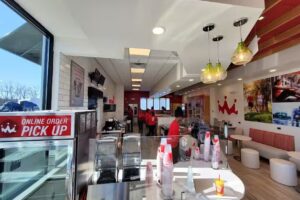
The physical space at 189 Brackett Street was designed to be welcoming. Photos of the interior show a clean, minimalist, and rustic aesthetic. Wooden countertops, simple seating, and a large chalkboard menu created an atmosphere that was both modern and unpretentious. The ability to dine in allowed it to function as a neighborhood gathering spot, where people could sit and enjoy their purchases rather than just grabbing them to go. It was a calm and pleasant environment that matched the healthy products being sold.
Service was a frequently cited positive. As a family-run business, the owners were directly involved in the day-to-day operations, and this personal touch resonated with customers. Reviews consistently mention friendly service, contributing to a positive and welcoming experience. This created a sense of community and loyalty, with patrons feeling good about supporting a local family. For residents of the West End, it was celebrated as an "awesome having a family run juice bar so accessible," filling a clear gap in the local market.
The Unavoidable Question: Price vs. Quality
While the praise for Farm Truck Juice was widespread, there was one recurring piece of critical feedback: the price. One reviewer noted that prices were "a bit higher than most juice and smoothie bars." This observation points to a fundamental challenge for businesses built on premium, locally sourced ingredients. The cost of obtaining produce from small Maine farms, the significant manual labor involved in preparing and cold-pressing juices, and the general overhead of a retail location in Portland all contribute to a higher price point.
This created a trade-off for the consumer. The price reflected the quality, freshness, and ethical sourcing behind the product. For customers who prioritized these values, the cost was justified. However, for the more budget-conscious consumer, Farm Truck Juice may have been an occasional treat rather than a daily habit. This pricing structure, while necessary for the business model, may have limited its potential customer base and frequency of visits, a common hurdle for artisanal food and beverage companies.
The End of an Era
Farm Truck Juice ceased operations around 2017, and the specific reasons for its closure are not publicly available. Without a formal announcement, one can only look at the general difficulties faced by small businesses in the competitive food industry. Several factors could have contributed:
- High Operating Costs: The commitment to local, high-quality ingredients likely resulted in thin profit margins, making the business vulnerable to fluctuations in sales or expenses.
- Market Competition: While it filled a niche, the broader cafe and restaurant scene in Portland is vibrant and competitive, making it difficult for any new establishment to secure a long-term foothold.
- The Demands of a Family Business: The immense effort required to run a food establishment, from sourcing and prep to customer service and administrative tasks, can be exhausting for a small team.
- Seasonal Dependencies: A business model reliant on local produce is subject to the seasonal availability and price variations of Maine agriculture, which can create operational inconsistencies.
Despite its relatively short lifespan, the overwhelmingly positive reviews suggest that Farm Truck Juice succeeded in its mission. It delivered a high-quality product and was a beloved addition to its neighborhood. Its story is a common one in the world of small business: a passionate venture that excels in quality and vision but struggles with long-term financial sustainability.
Farm Truck Juice was a well-executed concept that brought a genuine farm-to-table ethos to the Portland juice bar scene. Its primary strengths were its unwavering commitment to fresh, locally sourced ingredients, its high-quality cold-pressed juice and smoothies, and the friendly, personal service that comes from a dedicated family-run operation. It successfully created a product and an environment that made customers feel good.
The main challenge it faced was the premium price point necessitated by its quality-focused model. The closure of Farm Truck Juice serves as a realistic example of the passion and the precarity inherent in running a small, mission-driven food business. It remains a fond memory for those who enjoyed its healthy and delicious offerings, a testament to a local business that, for a time, got it right.