
DROUGHT
BackDROUGHT's former location in Plymouth offered a compelling, if sometimes frustrating, experience for health-conscious consumers. Though now permanently closed, this outpost of the well-regarded Detroit-based juicery left a distinct impression, built on a foundation of exceptional products that often had to overcome the store's own operational and aesthetic shortcomings. It served as a prime example of a business where the quality of the core offering was both its greatest strength and the main reason customers tolerated its weaknesses.
The Core of the Business: Premium Organic Juices
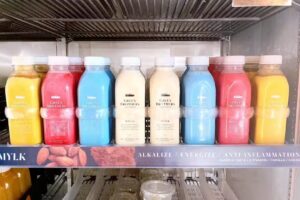
The undeniable star at DROUGHT was its product line. This was not just any juice shop; it was a purveyor of high-end, USDA-certified organic, cold-pressed juice. Customer feedback consistently celebrated the beverages for their vibrant, potent flavors and nutritional value. Patrons who were serious about their health found a reliable source for genuinely nutritious options. One review highlighted that everything sold was organic and praised the juice as both nutritious and great-tasting, an opinion widely shared among its clientele. The company’s commitment to quality was evident in every bottle.
A significant part of the premium experience was the packaging. DROUGHT exclusively used glass bottles, a decision that resonated strongly with its customer base. This choice not only preserved the taste and integrity of the juice better than plastic but also appealed to environmentally aware consumers. Many customers, as noted in reviews, found creative ways to reuse the sturdy and aesthetically pleasing bottles for everything from water containers to home decor, adding a layer of sustainable value to their purchase. This small detail reinforced the brand's premium, health-focused identity and created a loyal following.
A Destination for Health Regimens
The effectiveness of DROUGHT's products for specific health goals, like a juice cleanse, was a major draw. One customer recounted undertaking a five-day juice-only diet using DROUGHT products and found the experience surprisingly manageable and effective. They credited the flavorful nature of the juices as the primary reason for their success, noting that the challenge was enjoyable rather than a chore. This testimony speaks volumes about the quality and formulation of the juices, positioning the shop as more than just a place for a quick drink, but as a partner in pursuing a healthier lifestyle. For those seeking a detox juice program, DROUGHT provided a trusted, high-quality option that stood out against competitors.
Contrasting Elements: Service vs. Setting
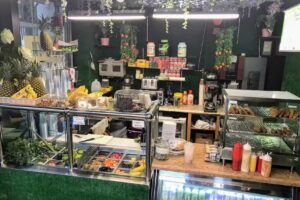
While the product was consistently praised, the physical storefront presented a different story. Located in an alley between Forest Avenue and South Harvey Street, the setting was often described as underwhelming. Multiple customers noted that the storefront "doesn't look like much" or was "lacking from looks." This suggests a no-frills, almost hidden location where the focus was entirely on what was inside the bottles, not on creating an inviting cafe atmosphere. It was a destination you sought out for the product, not a place you stumbled upon and decided to linger in.
However, the business compensated for its humble appearance with excellent customer service. The staff were frequently described as friendly, conversational, and, most importantly, knowledgeable. Employees could offer genuine recommendations and were well-versed in the taste profiles and benefits of each juice blend. This level of service created a positive and personal interaction that made customers feel valued and confident in their purchases, effectively turning a simple transaction at a raw juice bar into a guided wellness experience.
The Sticking Points: Price and Reliability
Quality of this caliber invariably comes at a cost. DROUGHT was positioned as a premium brand, and its prices reflected that. With individual juices ranging from $8 to $11, it was certainly a pricey indulgence for many. Customers acknowledged the high cost but, for the most part, felt the price was justified. They cited the organic ingredients, the local "Detroit-made" origins of the company, and the superior taste as valid reasons for the premium. For its target audience, the value proposition was clear: you were paying for an uncompromised, top-tier product.
Unfortunately, the most significant issue plaguing the Plymouth location was not its prices or its alleyway setting, but its operational inconsistency. The most critical feedback came from a loyal customer who loved the juice but was repeatedly met with a locked door during posted business hours. On at least two occasions, they drove 30 minutes to the store only to find a sign announcing an early closure for a "team meeting." This lack of reliability is a cardinal sin in retail. It showed a disregard for customers' time and effort, creating a deep sense of frustration that could easily overshadow the high quality of the product. When a business sets hours, customers expect them to be honored, and failing to do so damages trust and goodwill, no matter how good the fresh juice is.
A Retrospective View
Ultimately, the story of DROUGHT in Plymouth is one of contrasts. It was an organic juice bar that delivered a truly exceptional product, earning a stellar 4.7-star rating and a dedicated following who were willing to pay a premium for quality. The friendly staff and commitment to organic, glass-bottled juices created a powerful brand identity. However, its success was perpetually undercut by a lackluster physical location and, more damagingly, a pattern of unreliability. While now permanently closed, its legacy serves as a valuable lesson: a superior product can build a strong foundation, but consistent and dependable operations are essential to sustain a business in the long term.