Cold Pressed Juice
BackA Retrospective on a Former Los Angeles Juice Spot
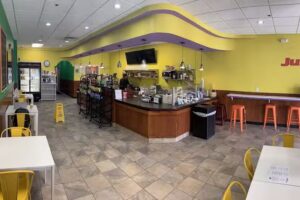
The establishment formerly known as Cold Pressed Juice, located on Colorado Boulevard in Los Angeles, CA 90041, is now permanently closed. For those who may have passed by its former location or are searching for it, it is important to note that this business is no longer in operation. The information available about this specific venue is minimal, largely due to its closure and its exceptionally generic name, which makes it difficult to distinguish from the general product it sold. However, we can analyze the type of business it was and the potential experience it offered based on its identity as a local juice bar.
This business operated within a very specific and popular niche of the food and beverage industry. The name itself points to a focus on cold-pressed juice, a method of extraction that uses a hydraulic press to get juice from fruits and vegetables. Unlike traditional centrifugal juicers, this process generates less heat, which proponents claim preserves more nutrients and enzymes. For a potential customer, the primary appeal of a place like this would have been the promise of high-quality, nutrient-dense beverages. The expectation would be for vibrant, fresh juice made from whole ingredients, positioning itself as a destination for health-conscious individuals.
The Potential Offerings and Customer Experience
A typical smoothie shop or juice bar builds its menu around a core of signature products. It is reasonable to assume Cold Pressed Juice would have offered a variety of options, likely including:
- Detox Juices: Blends often featuring ingredients like kale, celery, lemon, and ginger, marketed towards customers looking to reset their dietary habits.
- Healthy Smoothies: Thicker, blended drinks that might include bananas, berries, protein powders, and nut butters, serving as meal replacements or post-workout recovery drinks.
- Juice Cleanse Programs: Curated sets of juices intended to be consumed over one or more days, a popular if often debated health trend.
- Wellness Drinks: Small, potent shots, such as ginger or turmeric shots, valued for their purported anti-inflammatory and immune-boosting properties.
The positive aspect for any customer visiting such an establishment lies in the direct access to fresh, and possibly organic juice, without the need to purchase, prepare, and clean up at home. It offered a convenient solution for those seeking a quick and healthy option in a busy urban environment.
Evaluating the Inherent Challenges
Despite the appeal, businesses in this sector face significant hurdles. One of the most prominent drawbacks for the consumer is the price. The process of cold-pressing is labor-intensive and requires a large quantity of produce, making the final product considerably more expensive than a conventional juice or soda. A single bottle of cold-pressed juice can often cost upwards of $10, a price point that may not be sustainable for a broad customer base, limiting its appeal to a niche market.
Quality and consistency can also be a double-edged sword. While the promise of fresh ingredients is a major selling point, it also introduces variability. The taste of a juice can change depending on the season and the specific batch of fruits and vegetables used. An experience that is excellent one day could be merely average the next, which can be frustrating for returning customers.
Furthermore, the branding of this particular business presented a significant challenge. The name "Cold Pressed Juice" is a literal description, not a brand. This makes it incredibly difficult to build a unique identity or a loyal following. When a customer searches for it online, the results are flooded with information about the product in general, not this specific shop. In a competitive market like Los Angeles, where numerous juice bars have strong, memorable brands, a generic name can be a critical disadvantage in attracting and retaining business.
While Cold Pressed Juice on Colorado Boulevard is no longer an option, its existence points to the enduring demand for healthy, convenient food choices. For those who may have frequented it, it likely represented a local spot for a nutritious boost. However, the combination of high operational costs, a premium price point, and the significant branding challenge posed by its generic name are common factors that can lead to the closure of specialized establishments. It stands as an example of how a good concept requires more than just a quality product; it needs a strong identity to thrive in a competitive landscape. The space it once occupied is now a memory of a local juice bar that, for a time, served the 90041 community.