Clean Juice
BackLocated at 168 Calhoun Street, the now permanently closed Clean Juice branch in Charleston was part of a nationally recognized franchise built on a foundation of health, wellness, and certified organic ingredients. When it first opened in May 2018, it replaced a beloved small Starbucks known as "Babybucks," bringing the promise of fresh juices, smoothies, and avocado toast to a new generation of college students and health-conscious residents. For a time, it represented the ideal modern eatery: a place to get genuinely healthy food in a convenient location. However, a retrospective look at its operations, informed by customer feedback and wider franchise issues, reveals a significant gap between its wholesome brand promise and the on-the-ground reality, ultimately culminating in its closure.
The Appeal: A Menu Focused on Wellness
At its best, Clean Juice on Calhoun Street delivered on its core concept. The brand is the only USDA-certified organic juice bar franchise, a powerful differentiator in a crowded market. This commitment meant that customers could trust the integrity of the ingredients in their drinks and food, from the kale in their green juice to the fruit in their acai bowls. For those prioritizing clean eating, this certification was a major draw. Early reviews and loyal franchise customers praised the delicious bowls, the quality of the avocado toast, and the overall variety of healthy food options available. The menu was designed to cater to a wellness-oriented lifestyle, offering everything from quick healthy smoothies to multi-day juice cleanses intended to reset the body.
Customers seeking specific health benefits found appealing options. One patron highlighted "The Hardcore One" green juice as a perfect low-calorie, low-sugar choice for a concentrated dose of greens. This speaks to the success of the product line when it was executed correctly. The franchise's mission to make organic, nutrient-dense food accessible resonated with many, and for a period, the Charleston location seemed to be a reliable outpost for this mission. The availability of dine-in, takeout, and delivery services added a layer of convenience that modern consumers expect.
The Downfall: A Pattern of Inconsistency and Poor Value
Despite the strong brand identity, this specific location was plagued by significant operational issues that soured the customer experience. A recurring and damaging theme in customer feedback was the feeling of poor value for money. The prices, already at a premium due to the organic ingredients, felt exorbitant when the quality and portion sizes didn't measure up. One of the most glaring examples cited by a customer was the avocado toast, described as a "joke" at $10 for a single, miniature slice. This sentiment was amplified when a request to make it a sandwich was met with an offer to simply charge for two separate toasts for a total of $20. This kind of pricing, without a corresponding high-quality product or experience, created a strong sense of being overcharged.
This value problem seems to have been a wider issue within the franchise system, with some critics of other closed locations mentioning watered-down juices and excessive ice used to pad out drinks. While the brand promised premium organic cold-pressed juice, the reality for some customers was a product that didn't justify its high cost.
Crippling Service and Operational Failures
Perhaps more damaging than the pricing were the consistent failures in service and basic store management. Multiple reviews pointed to a severely understaffed environment. This led to frustratingly slow service, with customers waiting unreasonable lengths of time for their orders. One regular patron of the Clean Juice brand, who had positive experiences at other locations across the country, had a particularly telling and negative experience at the Calhoun Street store. Their mobile order was unprocessed for over an hour, and a new, in-person order placed later was fulfilled before the original one. This incident highlighted a complete breakdown in the ordering system.
The issues appeared to stem from a lack of proper training. Staff, while sometimes described as nice, were reportedly ill-equipped to handle the store's technology. Patrons noted that employees struggled with using the computer systems, processing mobile app orders, and applying rewards. These are fundamental aspects of a modern retail food business, and their failure created a chaotic and unreliable customer experience. When customers are paying premium prices, they expect seamless, efficient service, not operational disarray. These problems were not isolated, as broader reviews of the franchise mention long wait times and communication challenges as recurring defects.
Broader Franchise Troubles
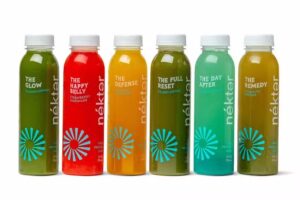
The struggles at the Charleston location did not happen in a vacuum. The Clean Juice franchise has faced significant internal turmoil, which likely impacted individual stores. In late 2022, the corporate entity made a controversial decision to switch from fresh, in-house pressed juices to pre-bottled juices sourced from a third party. Franchisees reported that this move cut the profitability of their highest-margin item, alienated customers who valued the freshness, and led to major supply chain issues, including late, damaged, or expired products. This corporate decision fundamentally changed a core selling point of the brand and put immense financial pressure on franchisees, with many reporting steep declines in sales and mounting losses. In 2023, a large percentage of franchisees entered into legal disputes with the company, seeking to exit their agreements due to these challenges.
Ultimately, the story of the Clean Juice at 168 Calhoun Street is a cautionary tale. It shows that even a business with a powerful and appealing concept—certified organic, healthy, and convenient—can fail when the execution at the local level is flawed. The combination of premium pricing with inconsistent product quality, severely undertrained staff, and systemic operational failures created an experience that customers were unwilling to support. While the promise of a top-tier juice bar was there, the reality of long waits, frustrating service, and questionable value proved to be its undoing, leading to its permanent closure.