
Clean Juice
BackLocated on Penn Avenue in Pittsburgh's East Liberty neighborhood, the Clean Juice franchise aimed to be a go-to spot for health-conscious residents. As the name implies, its core mission revolved around providing USDA-certified organic products, a significant differentiator in the crowded wellness market. The location is now listed as permanently closed, bringing an end to its tenure. An examination of its operations, based on customer feedback and broader company context, reveals a business that succeeded in creating a welcoming in-person atmosphere but ultimately faltered on the crucial pillars of product consistency, value, and quality control, especially for off-premise orders.
The On-Site Experience: Friendly Faces and Healthy Options
For customers who walked through its doors, Clean Juice often presented a positive and inviting front. Several patrons highlighted the exceptional friendliness of the staff and owner. One review noted a particularly memorable visit where the owner and his family personally greeted customers, introduced themselves, and even offered coupons, fostering a strong sense of community. This personal touch created a welcoming environment that encouraged repeat visits for those seeking a quick and healthy option. The physical space, while compact, was consistently described as clean and well-suited for its primary purpose as a grab-and-go establishment rather than a lingering dining destination.
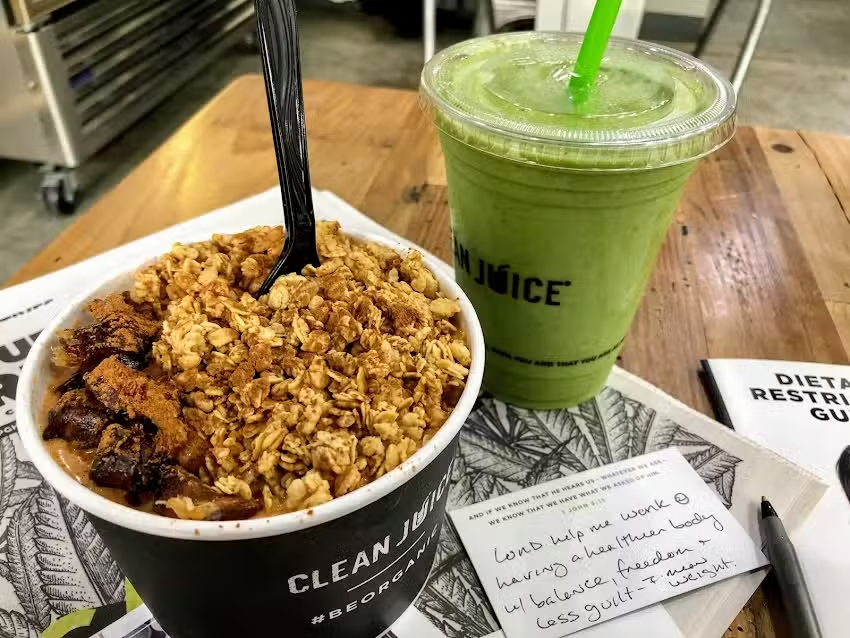
The menu offered a range of items typical of a modern juice shop, including smoothies, toasts, and wellness shots. Specific products received high praise, such as the "ocean waves smoothie," the "workout shot," and a caprese toast, indicating that the kitchen was capable of producing appealing and flavorful items. For many, it was a reliable spot for a post-workout refreshment or a nutritious lunch, fulfilling its promise as a convenient source for healthy food options.
Significant Cracks in the Foundation: Price and Consistency
Despite the positive in-store ambiance, significant issues bubbled beneath the surface, primarily concerning the cost and consistency of the products. A recurring theme across numerous reviews, even positive ones, was the high price point. Customers expressed shock at bills like $30 for two açaí bowls or nearly $17 for a single berry bowl. While some patrons were willing to accept premium prices for high-quality, organic ingredients, the value proposition frequently fell short of expectations.
The quality of the signature açaí bowls was a particular point of contention. Multiple customers described them as being overly "liquid heavy," lacking the thick, satisfying texture expected of a premium bowl. One reviewer, who praised the staff's sweetness, was still compelled to note the disappointing quality and high cost compared to similar offerings in other major cities. This inconsistency suggested that while the brand's recipes might have been solid, the execution at this specific location was unreliable. When customers pay a premium, they expect a consistently premium product, and the failure to deliver this was a major drawback.
The Delivery Dilemma: A Breakdown in Quality Control
The disparity in customer experience was most pronounced between in-person visits and delivery orders. While walk-in customers often left happy, those ordering through services like Uber Eats and DoorDash reported alarming quality control failures. One user detailed a completely inedible order, describing avocado toast with "literally brown" avocado and a foul odor, accompanied by a smoothie that had turned sour. This type of feedback points to severe issues in ingredient management and a lack of final quality checks before orders left the store.
Another delivery customer echoed these concerns, calling their expensive order a "waste." Their chicken pesto sandwich was described as mostly soggy bread with a "weird textured chicken," and the highly-priced berry bowl looked nothing like the promotional photos, featuring minimal toppings. Such experiences are particularly damaging for any food establishment, as they erode customer trust not just in the specific location but in the brand as a whole. For a business centered on freshness and health, serving spoiled or poorly prepared food is a critical failure.
Broader Franchise Challenges
The struggles at the Penn Avenue location may also reflect wider, systemic issues within the Clean Juice franchise. Reports from 2023 indicated significant turmoil across the company, with nearly 40% of franchisees taking legal action to exit their agreements amid claims of unprofitability. A controversial corporate decision to switch from fresh, in-house cold-pressed juice—a key selling point and profit driver—to pre-bottled juices reportedly hurt sales and margins, causing widespread financial distress among operators. This shift fundamentally altered the business model that many franchisees had invested in. While it's unclear how directly these national issues impacted the Pittsburgh store, a struggling franchise system creates a difficult environment for individual locations to thrive, potentially affecting supply chains, morale, and operational support. The entire franchise was eventually sold to BRIX Holdings in May 2024.
Final Analysis
The story of the Clean Juice on Penn Ave is a tale of missed potential. It successfully established a friendly neighborhood smoothie shop with a strong, appealing concept built on certified organic ingredients. The welcoming staff and some standout menu items demonstrated a capacity for excellence. However, this was overshadowed by fundamental operational flaws. The business was unable to consistently justify its high prices with high-quality products, leading to a poor value proposition for many customers. Most critically, the severe lapse in quality control for its delivery services created deeply negative experiences that are difficult for any restaurant to overcome.
Ultimately, its permanent closure serves as a case study. A positive in-store atmosphere and a premium brand concept are not enough to sustain a business. Success requires rigorous consistency in product quality, fair pricing, and flawless execution across all channels, whether a customer walks in the door or orders from their couch. For this organic juice bar, the failure to master these essentials led to its eventual shutdown.