Clean Juice
BackFor a time, the Clean Juice location at 962 Woodland Street was a fixture for health-conscious residents in Nashville's Five Points neighborhood. As the first and only USDA-certified organic juice bar franchise, it brought a distinct and premium option to the local scene. However, this specific establishment is now permanently closed, leaving behind a mixed legacy of high-quality products, exceptionally warm customer service, and notable operational flaws. An examination of its tenure provides valuable insight for anyone considering the Clean Juice brand, highlighting both its considerable strengths and its potential weaknesses.
The Core Appeal: Certified Organic Quality
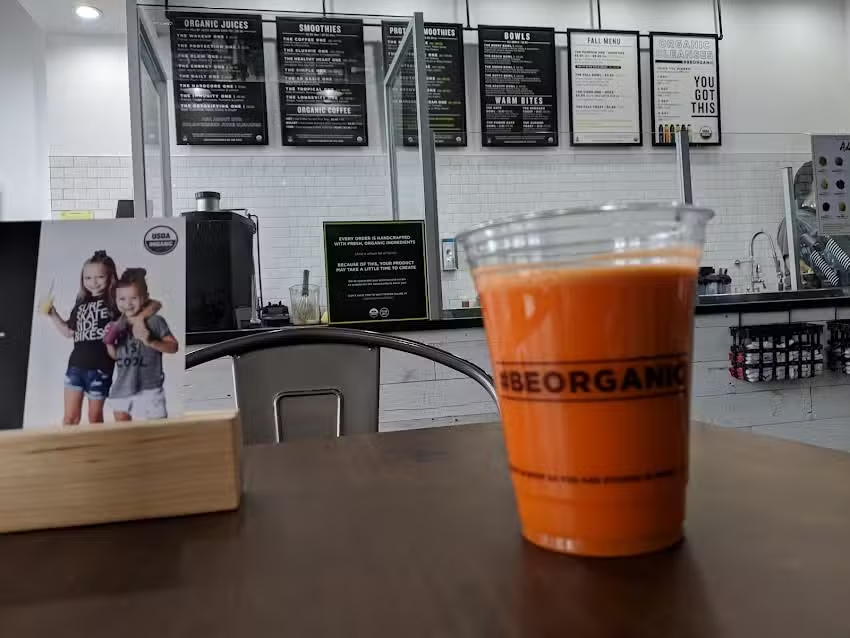
The primary differentiator for Clean Juice has always been its unwavering commitment to being a USDA-certified organic juice bar. This wasn't just a marketing slogan; it was a promise that the ingredients used—from the kale in the smoothies to the acai in the bowls—were free from chemical fertilizers and pesticides. For a clientele increasingly focused on clean eating and transparent sourcing, this was a massive draw. The menu was a vibrant collection of options designed to cater to various health needs and preferences. Patrons could choose from an extensive list of healthy smoothies, cold-pressed juice, and popular açaí bowls. Beyond the drinks, the location also offered light bites, including a reasonably priced avocado toast and salads, broadening its appeal from a simple juice shop to a legitimate lunch spot.
Customer feedback frequently praised the quality and taste of the products. Smoothies were described as fresh, flavorful, and, importantly, not overly sweet. One popular choice was 'the double one' smoothie, especially when enhanced with hemp protein. Bowls were noted for being a good size, making them a filling meal replacement. A standout item mentioned in reviews was the Berry Bowl, a classic take on the açaí bowl topped with granola, honey, and goji berries. Another highlighted product was the Immune Booster Shot—a potent mix of ginger, lemon, and carrot—which customers sought out when feeling under the weather, trusting in the nutritional integrity of the ingredients.
Exceptional Service with a Personal Touch
Beyond the organic products, the staff at the Woodland Street location often left a lasting positive impression. Reviews are replete with descriptions of employees as being "SO kind" and helpful, guiding newcomers through the menu and offering suggestions. This welcoming atmosphere was a significant asset, turning routine transactions into pleasant experiences.
One particularly powerful story illustrates the extent of this customer-centric approach. A patron, feeling unwell with pneumonia, visited the store seeking nutritious food. The staff not only provided helpful recommendations but also presented her with a "Kindness Card," covering her entire bill as a random act of kindness. This gesture of compassion went far beyond typical customer service, creating a deeply memorable and emotional connection with the brand. It demonstrated a company culture that, at its best, empowered employees to foster genuine goodwill within the community.
The Downside: Inconsistent Speed and Premium Pricing
Despite the high marks for product quality and staff friendliness, the establishment was not without its significant faults. The most prominent and recurring complaint centered on the speed of service. Multiple customers reported frustratingly long wait times, even when the shop was not busy. One review described the food preparation as being done in "slow motion," turning a quick trip for a salad or toast into a lengthy ordeal. This operational inefficiency stood in stark contrast to the brand's goal of serving on-the-go lifestyles and could be a major deterrent for customers on a tight schedule.
The other potential barrier was the price. While justified by the high cost of organic ingredients, the menu items were positioned at a premium level. Based on customer reports, a small smoothie cost around $7, with bowls priced closer to $10. For daily patrons, this could quickly become an expensive habit. This pricing strategy placed Clean Juice in a specific niche, appealing to those who prioritized organic quality above all else and were willing to pay for it, but potentially alienating more budget-conscious consumers.
A Franchise in Flux
It's important to view the experience at the now-closed Nashville location within the broader context of the Clean Juice franchise. The brand has faced significant internal challenges, with reports of widespread franchisee discontent. Issues cited in industry publications include controversial changes to the business model—such as switching from in-house juicing to pre-bottled options—and financial difficulties for many operators. These larger corporate struggles may have contributed to the operational inconsistencies and eventual closure of individual locations like the one on Woodland Street. While the brand continues to operate in other areas, the closure of this and other stores suggests a challenging path for the franchise as a whole.
A Retrospective Look
The story of Clean Juice on Woodland Street is one of a business with a powerful mission and a premium product that resonated deeply with its target audience. It succeeded in creating a welcoming space known for its high-quality organic juice and food, and for a staff that could make customers feel genuinely cared for. However, it faltered on fundamental operational execution, specifically the speed of service. Paired with a premium price point and potential instability within the parent franchise system, these challenges ultimately proved insurmountable for this location. While it no longer serves the Five Points area, its tenure offers a clear picture of the brand's dual reality: a laudable commitment to health and wellness on one hand, and significant operational and business model hurdles on the other.