Juice Workz Plus LLc
BackIn the competitive landscape of local retail, businesses often appear with a promise, a concept, and a location, only to vanish, leaving behind little more than a digital echo and a changed storefront. Such is the case with Juice Workz Plus LLC, a health-food establishment formerly located at 2856 Hickory Hill Rd in Memphis, Tennessee. Today, that address is home to a Walmart Neighborhood Market, a testament to the swift and often unforgiving nature of commerce. The story of Juice Workz Plus LLC is not one of detailed customer reviews or celebrated success, but rather a look into the challenges and ephemeral nature of a small business that aimed to serve a niche market.
The name itself, Juice Workz Plus LLC, suggested a focus on functional, effective nutrition. It conjured images of a modern fresh juice bar, a place where customers could find thoughtfully crafted beverages designed to deliver tangible health benefits. The "Workz" spelling implied a contemporary, perhaps even urban, approach to wellness, while the "Plus" hinted at offerings beyond a simple menu of drinks. One could reasonably assume this would have been the spot for healthy smoothies, specialty food items, nutritional supplements, or perhaps even wellness coaching. The business was set up for dine-in service, indicating it was meant to be more than a grab-and-go counter; it was intended as a place for people to gather and enjoy their food and drinks on-site.
The Presumed Promise: What Juice Workz Plus Likely Offered
Without a surviving menu or online reviews, we are left to build a picture of Juice Workz Plus based on industry standards and the aspirations of similar ventures. A key offering would have undoubtedly been a variety of natural fruit juices. These establishments typically pride themselves on using fresh, whole ingredients, moving away from concentrates and added sugars that dominate the mass-market juice industry. The appeal lies in the vibrant flavors and the direct intake of vitamins and minerals.
Another cornerstone of such a business would be cold-pressed juice. This method of extraction, which uses a hydraulic press to slowly squeeze the juice from produce, is favored for its ability to preserve more nutrients and enzymes compared to traditional centrifugal juicers. A business serious about the "workz" aspect of its juices would almost certainly have promoted the benefits of this technique. Customers seeking specific health outcomes often look for offerings like detox juices or comprehensive juice cleanse programs. These programs, which involve consuming only juices for a set period, are a popular if debated method for resetting dietary habits, and they represent a significant revenue stream for any modern organic juice bar.
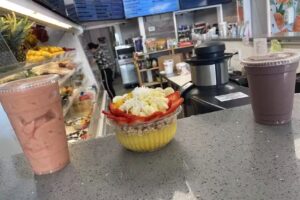
The "Plus" in the name suggests an expanded menu. This could have included a variety of smoothie bowl options, which have become a staple in the health food scene. These thick, blended bowls, topped with granola, fresh fruit, seeds, and nuts, serve as a satisfying meal. Other possibilities include healthy wraps, salads, energy bites, and perhaps locally sourced coffee or tea, turning the juice bar into a more versatile cafe.
The Harsh Reality: A Disappearance with Scant Traces
Despite this promising concept, the most definitive fact about Juice Workz Plus LLC is its permanent closure. The business left a strikingly minimal footprint. There are no glowing Yelp reviews, no angry customer complaints, no local news articles heralding its grand opening or lamenting its closure. Its only significant digital artifact is a defunct Wixsite domain, a silent testament to an ambition that never fully materialized online. This lack of a digital presence is a critical shortcoming in today's market. A business, especially one catering to a health-conscious demographic that is active online, cannot survive without engagement, marketing, and a platform for customers to find and review it.
The location itself presents another challenge. While Hickory Hill Road is a major thoroughfare, the success of a niche business like a juice bar is heavily dependent on the surrounding commercial ecosystem and neighborhood demographics. Without a strong marketing push to draw customers from across the city, it would have relied on local foot traffic. The eventual replacement of the business's location with a Walmart suggests the area was primed for large-scale retail, an environment where a small, independent specialty shop can struggle to compete for visibility and customers against a corporate giant offering low prices and vast selection.
The Downside for Potential Customers
For a potential customer, the story of Juice Workz Plus LLC is a cautionary one. The primary negative is its failure to establish itself as a reliable presence in the community. Businesses that close abruptly can leave customers who purchased gift cards or signed up for loyalty programs in a lurch. More broadly, the lack of information makes it impossible to assess the quality of what was once offered. Were the ingredients fresh and organic as one would hope? Was the customer service friendly and knowledgeable? Was the environment clean and welcoming? The silence on these fronts is telling.
The ultimate failure of the business means that a potential source of healthy, convenient food is no longer available to the neighborhood. In many areas, access to fresh and nutritious options is limited, and the closure of a dedicated juice shop represents a step backward in that regard. It leaves a void for those who were, or could have been, loyal patrons seeking to support a local business while pursuing a healthier lifestyle.
A Concluding Thought
Juice Workz Plus LLC represents the ghost of a good idea. It was a concept aligned with modern wellness trends, promising fresh, functional nutrition in a local setting. However, its story serves as a stark reminder that a good concept is not enough. Without a robust digital strategy, strong community engagement, and the ability to withstand the immense pressures of the competitive retail market, even the most promising ventures can fade away, leaving behind nothing but an empty storefront and a name in a database marked "permanently closed." It stands as a silent case study on the immense difficulty of turning a wellness dream into a sustainable business reality.