raw
BackSituated at 1727 Haight Street, an address with a dynamic and evolving commercial history, Raw was a venture that aimed to tap into the health-conscious current running through San Francisco. The establishment is now permanently closed, its physical presence replaced, but its story offers a valuable look into the opportunities and immense challenges facing a specialized food business, like a juice bar, in a high-profile, high-cost urban neighborhood. While specific, direct customer testimonials for this particular incarnation are scarce, by examining its likely offerings, the local market, and the fate of the location itself, we can construct a clear picture of its probable strengths and weaknesses.
The name "Raw" itself was its primary calling card, signaling a commitment to uncooked, plant-based, and nutrient-dense foods. For potential customers, particularly the health-focused residents and tourists flocking to the iconic Haight-Ashbury district, this was a significant advantage. The business would have been a beacon for anyone seeking healthy drinks and food options amidst the area's other temptations. Its menu likely centered on the pillars of the modern wellness eatery: a vibrant array of fresh juices, elaborate superfood smoothies, and nourishing acai or protein bowls. This focus on raw food catered directly to a dedicated and growing consumer base interested in veganism, clean eating, and holistic health and wellness.
The Appeal: Nutrient-Dense Offerings
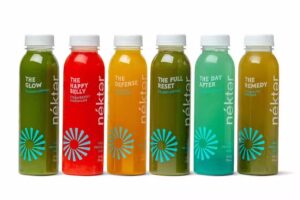
The core strength of a place like Raw lies in its product. The promise of high-quality, organic ingredients is a powerful draw. Customers likely found a menu filled with options designed to energize, cleanse, and nourish. One can easily envision a lineup of signature cold-pressed juice blends, from deep green concoctions featuring kale, spinach, and parsley to vibrant beet-and-ginger root blends. These wouldn't have been just simple fruit juices; the appeal of a dedicated healthy juice bar is the complexity and targeted nutritional benefits of its offerings.
Beyond juices, the menu almost certainly included a variety of organic smoothies. These would have been substantial, meal-replacement-style beverages packed with ingredients like almond milk, plant-based protein powders, almond butter, dates, and exotic superfoods such as spirulina, maca, and chlorella. For the post-workout crowd or the busy professional needing a quick lunch, these smoothies would have been a perfect solution—a convenient way to consume a high-impact nutritional meal on the go. Acai bowls, topped with granola, fresh fruit, and a drizzle of honey or agave, would have rounded out the offerings, providing a more substantial, sit-down option that was both delicious and visually appealing for the social media-savvy clientele.
- Convenience and Health Focus: Raw offered a quick and easy way for people to maintain their health goals without having to prepare complex meals themselves.
- Targeted Audience: It appealed directly to the vegan community, fitness enthusiasts, and those with dietary restrictions who often struggle to find suitable options when eating out.
- Prime Location: Being on Haight Street, it was positioned to attract significant foot traffic from tourists and locals exploring the famous neighborhood, offering a healthy counterbalance to the more indulgent food and drink spots nearby.
The Inherent Challenges and Downsides
Despite the clear appeal, Raw faced a formidable set of challenges, many of which are common to this specific business model and its location. The most significant hurdle for customers was almost certainly the price. The cost of premium, organic, and fresh ingredients, especially in San Francisco, is exceptionally high. This cost is inevitably passed on to the consumer. A single cold-pressed juice can easily run upwards of $15, and a superfood-packed smoothie or acai bowl can approach $20 or more. While dedicated wellness aficionados might accept these prices as a necessary expense for their lifestyle, for the average passerby or a tourist on a budget, such costs could be a major deterrent. This pricing structure can create a perception of elitism and make the business inaccessible to a broader audience, limiting its potential customer base.
Furthermore, the operational side of a juice bar presents its own set of difficulties. The reliance on fresh produce means a constant battle with inventory management. Spoilage is a significant factor, and maintaining consistency in taste and quality when dealing with natural ingredients can be demanding. A slightly unripe banana or a different variety of apple can change the entire flavor profile of a signature drink. These inconsistencies, while small, can be frustrating for repeat customers who expect the same experience every time.
Competition and Market Saturation
The health and wellness market, while popular, is also incredibly competitive. In San Francisco, and even within the Haight-Ashbury area, Raw was not the only option for a healthy drink or snack. For instance, Sidewalk Juice, located not far away, is a well-established competitor with a broad menu and a loyal following. To succeed, a newer business like Raw needed a strong unique selling proposition—be it a revolutionary menu item, exceptional customer service, or a captivating brand story. The difficulty in finding a distinct online footprint for Raw suggests it may have struggled to differentiate itself from the competition. Without a compelling reason for customers to choose it over other, more established venues, attracting and retaining a loyal clientele would have been an uphill battle.
The history of the 1727 Haight Street address itself tells a story of commercial flux. Before being occupied by the legacy bookstore The Booksmith in 2021, the location housed Second Act Marketplace, a food hall concept. It is plausible that Raw was a vendor within this marketplace or a short-lived standalone business in the period of transition. Operating within a food hall can be a double-edged sword: it offers built-in foot traffic but also forces direct, side-by-side competition with other food vendors, making it harder to stand out and build a unique brand identity.
The Final Verdict on a Closed Chapter
Ultimately, Raw's permanent closure speaks to the harsh realities of the modern food industry, particularly in a city like San Francisco. While it was founded on a popular and appealing concept—providing delicious, high-quality, and healthy raw food and drinks—it likely buckled under the combined pressures of high operational costs, steep consumer prices, and intense competition. The very factors that made it appealing—its premium, organic ingredients—also made it an expensive niche product. For prospective customers, the experience would have been a trade-off: the benefit of a nutrient-packed, energizing product versus the significant hit to their wallet.
The story of Raw serves as a microcosm of the challenges faced by many small, specialized food businesses. It highlights that a great concept and a prime location are not always enough to guarantee success. Without a strong brand, competitive pricing, and an almost flawless customer experience, even the most well-intentioned juice bar can become another closed chapter in a city's ever-changing culinary landscape.