RAW – A Juice Company
BackA Retrospective Look at RAW - A Juice Company
Though now permanently closed, RAW - A Juice Company was once a notable destination for health-conscious consumers at 2175 Market Street. Operating within The Myriad, a bustling food hall concept in the Castro/Mission Dolores area, this compact vendor carved out a niche by focusing on organic fruit and vegetable juices and a menu dedicated to raw food principles. Its story offers a valuable snapshot of the challenges and triumphs within San Francisco's competitive wellness market.
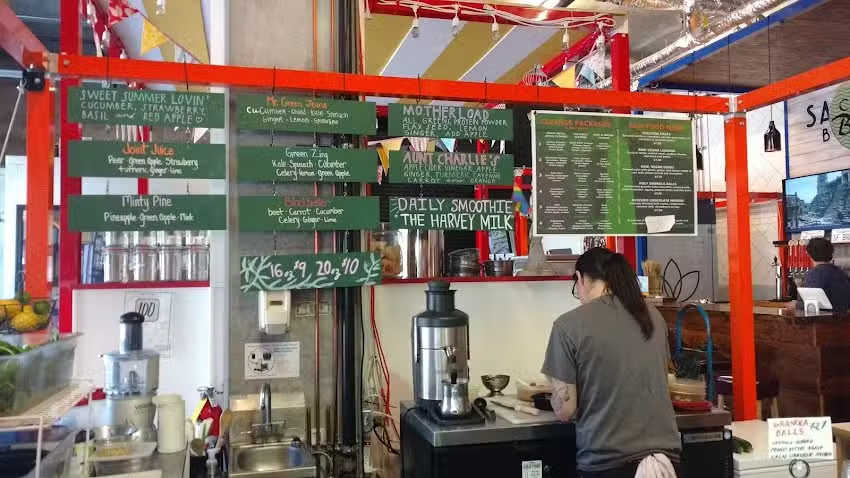
For several years, RAW was a go-to spot for those seeking nutritious and convenient options. The core of its business and the source of most of its positive feedback was its wide selection of healthy juices. Patrons frequently praised the quality and taste of the beverages, highlighting the use of fresh, organic ingredients. Reviews often described the juice blends as vibrant and flavorful, a testament to the company's commitment to its primary product. For customers looking for a quick morning start, a post-workout replenishment, or a simple dietary supplement, the fresh fruit and vegetable juices offered by RAW were a reliable choice. The business effectively catered to the growing demand for grab-and-go wellness, with many customers appreciating the quick and efficient service that allowed them to maintain their healthy habits without significant interruption to their busy schedules.
The Core Offering: A Focus on Quality Juice
The strength of RAW - A Juice Company was undoubtedly its dedication to its namesake product. In a city saturated with cafes and eateries, specializing in a high-quality version of one thing can be a powerful differentiator. The menu was designed to appeal to both seasoned juice enthusiasts and newcomers, with a variety of blends that ranged from sweet and fruit-forward to earthy and green-focused. This variety was a key selling point, allowing customers to customize their experience based on their taste preferences or health goals. Whether someone was seeking a simple orange juice or a complex concoction of kale, ginger, and beets, the selection was robust.
The business was also well-positioned to capitalize on wellness trends like the juice cleanse. Offering a range of nutrient-dense, unpasteurized options made it an attractive organic juice bar for individuals looking to detoxify or reset their dietary habits. The emphasis on "raw" ingredients appealed to a dedicated customer base that values unprocessed, plant-based nutrition, aligning the company with the broader raw food diet movement. This clear focus on a health-first philosophy was a cornerstone of its brand identity and resonated with a significant portion of its clientele.
Beyond the Juice: Inconsistencies and Criticisms
While the juices received consistent acclaim, the company's expansion into other food items, specifically acai bowls, revealed some operational inconsistencies. One of the most detailed negative reviews pointed to a disappointing experience with an acai bowl, citing several specific issues. The customer noted that the portion size was small, especially when compared to nearby competitors like Bebe and Project Juice, which are also well-known players in the local health food scene. This direct comparison highlights the intense competition in the area and the high expectations of consumers who are familiar with market standards.
Furthermore, the review lamented that the bowl was thin and watery in consistency, a significant flaw for a product that should be thick and sorbet-like. Perhaps most critically, the toppings listed on the menu were reportedly missing from the final product. This combination of factors—poor value, subpar quality, and a failure to deliver on the promised product—suggests a potential lack of focus or quality control on items outside of their core juice offerings. For a smoothie shop or juice bar, where freshness and accuracy are paramount, such an experience can be particularly damaging. It serves as a reminder that expanding a menu requires the same level of dedication and execution as the flagship products that built the business's reputation in the first place.
The Myriad and Location Context
Understanding the business environment of RAW - A Juice Company is crucial. Its location within The Myriad food hall, which opened in March 2016 and closed in February 2018, placed it in a dynamic and collaborative setting. This context explains customer comments about it being a great option while visiting other food stalls. Being part of a larger market provided a steady stream of foot traffic and a unique, communal atmosphere. However, it also meant that RAW was just one of many choices available to a customer at any given moment. The success of any vendor in such a space depends not only on its own quality but also on the overall success and management of the food hall itself. The eventual closure of The Myriad presented an insurmountable challenge for its tenants, including RAW.
Some long-time customers may also recall an earlier presence in the Upper Haight. An article from 2015 mentions the owner, Elyse Thogerson, started in a food market hall in the Haight area before moving to the Market Street location. This history shows an entrepreneurial journey rooted in the communal food market model, which ultimately defined its final operating environment. The move to The Myriad was likely intended to be a step up, placing the juice shop in a newly developed, high-profile location.
In retrospect, RAW - A Juice Company is best remembered for what it did best: producing high-quality, delicious, and healthy juices. It successfully built a reputation on the freshness of its ingredients and the convenience of its service, earning a loyal following. It was a business that understood its core mission and, by and large, executed it well. The positive reviews celebrating its beverages speak to a well-run operation that met a clear consumer need.
However, the criticisms, though fewer, are significant. The negative feedback regarding its acai bowl points to a classic challenge for specialized businesses: maintaining quality across an expanded menu. In the competitive San Francisco food scene, consistency is key, and a single bad experience can overshadow many positive ones. Ultimately, the fate of RAW was tied to the fate of its host, The Myriad food hall. While the juice company itself has ceased operations, its story remains a relevant case study in the opportunities and pitfalls of running a specialized food stall within a larger, shared commercial space.