
Project Juice
BackThough its doors at 1355 Market Street are now permanently closed, Project Juice carved out a significant niche for itself within San Francisco's competitive wellness scene. For years, it served as a go-to spot for health-conscious consumers, building a reputation on a menu of high-quality, organic offerings. A look back at its operations and customer feedback reveals a business that excelled in product quality and service, but simultaneously struggled with fundamental challenges related to location and in-store experience, offering a compelling study of a modern juice shop.
A Menu Focused on High-Quality, Healthy Options
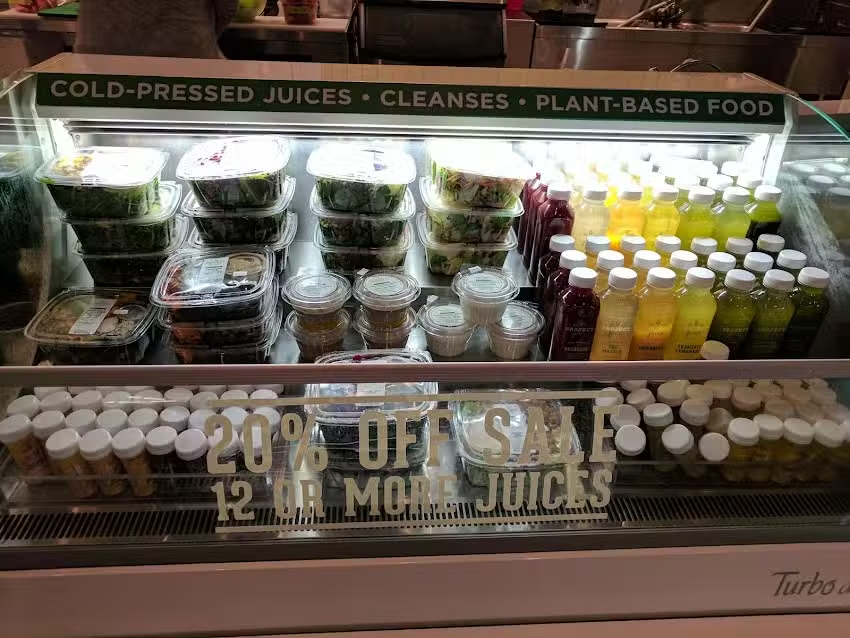
At its core, Project Juice was celebrated for its dedication to premium, plant-based nutrition. The menu was a testament to the clean-eating movement, anchored by its signature cold-pressed juice. Unlike conventional juices, this method preserves a higher density of vitamins and minerals, a key selling point for its target demographic. Beyond bottled juices, the establishment functioned as a comprehensive organic juice bar, preparing a wide array of made-to-order items. Customer reviews frequently praised the brand's healthy smoothies, often described as “incredible” and “thick,” indicating a satisfying quality that stood out from thinner, less substantial alternatives. The "Protein Cacao" smoothie, for instance, was a recurring favorite mentioned by patrons.
The offerings extended well into solid foods, making it more than just a drink stop. Project Juice became particularly well-known for its acai bowls, with one customer going so far as to call them the “best you can get in the world.” These bowls, alongside other popular smoothie bowls, were noted for being “very filling,” providing a substantial meal rather than just a light snack. The menu also included other health-focused cafe staples like avocado toast and waffles, catering to a clientele looking for a complete, nutritious meal. For those in a hurry, the availability of ready-made options provided a convenient grab-and-go solution, broadening its appeal to busy professionals in the SoMa area.
The Bright Side: Service and Product Excellence
A business, especially in the service industry, is often defined by its people, and Project Juice appeared to understand this well. Overwhelmingly, reviews highlight the positive interactions customers had with the staff. Words like “friendly,” “helpful,” and “awesome” are common descriptors, painting a picture of a welcoming and pleasant environment. This positive culture seems to have been a concerted effort. One particularly insightful long-term review noted a dramatic turnaround in service over a year. The patron described a first visit marred by “lifeless, I hate my job staff,” which completely deterred them. Upon returning a year later, they were met with a “night and day” difference: “Friendly, smiling and patient help behind the counter.” This transformation suggests that management recognized a critical flaw and took decisive steps to rectify it, turning a significant weakness into one of the store's most frequently praised strengths.
The Downside: Operational and Environmental Hurdles
Despite its strong product and service, this Project Juice location faced considerable operational challenges that likely impacted its long-term viability. Perhaps the most significant issue was its physical placement. Tucked away “in the back of the Market,” the storefront was not immediately visible from the street. For a business in the moderately-priced, quick-service category—which often relies on foot traffic and impulse purchases—this lack of visibility was a major handicap. As one customer stated, “It isn't very obvious from the street or sidewalk,” a critical flaw in a bustling urban environment where countless other options are competing for attention.
The physical environment inside the shop also presented drawbacks. Customer feedback pointed to an uncomfortable ambiance, with one person noting, “it's very cold in here.” The seating arrangement was another point of friction. The absence of standard-height tables and chairs in favor of only “tall stools” created a space that was not conducive to a relaxed dining experience. This effectively positioned the shop as primarily a takeout venue, potentially alienating customers who might have preferred to sit and enjoy their meal, conduct a casual meeting, or simply rest for a few minutes.
Furthermore, there were signs of inconsistency in product execution. A detailed review compared this Market Street location unfavorably to another Project Juice branch in Berkeley. The customer reported receiving wilted, browning sprouts and less avocado on their toast compared to what they were served at the other location. While the acai bowl remained excellent, this inconsistency in other menu items suggests potential issues with quality control or supply chain management. For a premium brand commanding a moderate price point (Price Level 2), such lapses can quickly erode customer trust and loyalty.
A Retrospective on a Plant-Based Cafe
The eventual closure of Project Juice on Market Street is a reminder that a superior product is only one component of a successful business. The company had a clear mission, offering certified organic, non-GMO products that resonated with a growing consumer base. It even attracted top talent, at one point hiring a former Jamba Juice executive as CEO to steer its expansion. However, the challenges faced by this specific location—poor visibility, an uncomfortable interior, and quality control issues—are classic pitfalls in the highly competitive restaurant industry. These factors, combined with the broader market pressures that led to the closure and rebranding of other Project Juice locations, created a difficult path forward. For potential customers, Project Juice was a place where they could reliably get a delicious and genuinely healthy meal served by a friendly face. Yet, its story also underscores that the fundamentals of location, atmosphere, and consistency are indispensable pillars for success.